Revolutionizing Fire Safety: Sonic Fire Tech's Sound-Powered Solution
Sonic Fire Tech is transforming fire protection with a groundbreaking sound-powered suppression system, having recently secured $15 million in funding to expedite its development. This innovative approach promises to mitigate fire damage while reducing cleanup costs and time, challenging conventional methods that have dominated the industry for over a century.

For more than a hundred years, fire safety measures have relied heavily on water and chemical agents to extinguish flames. While these methods have been effective in preventing catastrophic fires, they often leave behind significant damage and costly cleanup. In an era where technology continues to reshape industries, Sonic Fire Tech is poised to disrupt the fire protection landscape with a unique sound-powered fire suppression system. Recently securing $15 million in funding, this Ohio-based startup is on a mission to redefine how we combat fires, promising faster response times and minimal collateral damage.
Founded by a team of innovative thinkers, Sonic Fire Tech has developed a system that utilizes inaudible sound waves to suppress flames almost instantaneously. The implications of this technology extend beyond simply extinguishing fires; they could reshape the fire safety protocols for commercial and residential spaces alike.
Understanding the Technology Behind Sonic Fire Tech
At the core of Sonic Fire Tech's solution is an acoustic fire suppression system that employs a sound generator to emit infrasonic waves—specifically around 20 Hz—through PVC pipes installed in the ceiling of a given space. When fire sensors detect flames, the system activates, bombarding the fire with these sound waves. This innovative approach is touted as the only technology capable of creating its own suppressant without the collateral damage associated with traditional methods.
How It Works
The mechanics behind this technology may sound simple, but they are underpinned by complex physics and engineering principles. The sound waves generated by the system interfere with the fire's chemical reactions, effectively disrupting the combustion process. As a result, Sonic Fire Tech claims that their system can suppress fires within seconds, a stark contrast to the minutes or even hours that conventional systems require.

Funding and Future Prospects
The recent $15 million funding round, led by The O.H.I.O. Fund and supported by Khosla Ventures, will enable Sonic Fire Tech to expand its team and conduct extensive testing to gain approval from the National Fire Protection Association (NFPA). This approval is crucial, as it establishes the system's credibility and safety, allowing it to be adopted by fire departments and commercial entities across the United States.
Co-founder and CEO Geoff Bruder is optimistic about the approval timeline, suggesting it could be shorter than the typical three-year process due to the system's reduced cleanup requirements. Bruder emphasizes that eliminating the need for cleanup following a fire suppression event could significantly speed up testing and approval, as traditional systems require extensive post-incident recovery.

The Impact on Various Industries
The ramifications of Sonic Fire Tech's innovation extend across multiple sectors. One of the most promising applications is in commercial kitchens, which are particularly vulnerable to fires caused by grease or electrical malfunctions. Alarmingly, statistics indicate that around 75% of commercial kitchens that experience a fire do not reopen. By minimizing damage and expediting recovery, Sonic Fire Tech's system could help preserve businesses, protect jobs, and ultimately support the economy.
Insurance Implications
Insurance companies are also taking note of Sonic Fire Tech's potential. The startup is currently in discussions with insurers regarding the possibility of premium discounts for properties equipped with their sound-powered suppression systems. If adopted widely, this could lead to lower insurance costs for businesses and homeowners, further incentivizing the implementation of advanced fire protection technologies.
Challenges and Considerations
Despite the promising outlook, there are challenges ahead for Sonic Fire Tech. The system's efficacy in containing lithium-ion battery fires, a growing concern due to the proliferation of electric vehicles and portable devices, remains a work in progress. Bruder notes that while the system does not extinguish these fires, it has proven effective in containing them, potentially preventing the fire from spreading further.
Moreover, the startup is also developing systems tailored for protecting the exteriors of homes in wildfire-prone areas. However, this project faces delays as they await access to appropriate testing facilities. Nonetheless, the potential applications of this technology are vast, with future implementations envisioned for both new constructions and retrofits in existing buildings.
Key Takeaways
- Sonic Fire Tech has developed a sound-powered fire suppression system that can extinguish flames within seconds.
- The startup recently secured $15 million in funding to expedite testing and approval from the NFPA.
- The technology promises lower cleanup costs and quicker response times, making it attractive for various industries, particularly commercial kitchens.
- Insurance companies may offer premium discounts for properties equipped with this innovative system.
- Future applications include protection against lithium-ion battery fires and systems designed for wildfire-prone regions.
Frequently Asked Questions
What makes Sonic Fire Tech's system different from traditional fire suppression methods?
Sonic Fire Tech's system stands out primarily because it uses sound waves to suppress fires, as opposed to conventional methods that rely on water or chemical agents. This technology minimizes collateral damage and eliminates the messy cleanup typically associated with fire suppression. By responding within seconds, it has the potential to significantly reduce fire damage and minimize recovery time for affected businesses or properties.
How long does it take to receive approval from the National Fire Protection Association?
Approval from the NFPA can take around three years for most fire protection technologies. However, Sonic Fire Tech's co-founder, Geoff Bruder, believes that their unique system may be able to achieve approval more quickly due to its reduced cleanup requirements. This could potentially accelerate its market entry and adoption across various sectors.
What industries can benefit from Sonic Fire Tech's technology?
While the technology has broad applications, it is particularly advantageous for industries like commercial kitchens—which experience a high incidence of fires—as well as residential homes with fire-prone areas. Additionally, the technology shows promise in safeguarding against challenging fire scenarios, such as lithium-ion battery fires, making it relevant for sectors involved in electronics and electric vehicles.
Are there any safety concerns associated with using sound waves for fire suppression?
As with any emerging technology, there are safety considerations to take into account. The sound waves used in Sonic Fire Tech's system are inaudible and designed to interact with fire in a manner that disrupts its combustion process. Comprehensive testing is required to ensure the system's overall safety and effectiveness. As the company progresses through testing and approval, any potential risks will be addressed to ensure compliance with safety standards.
Comments
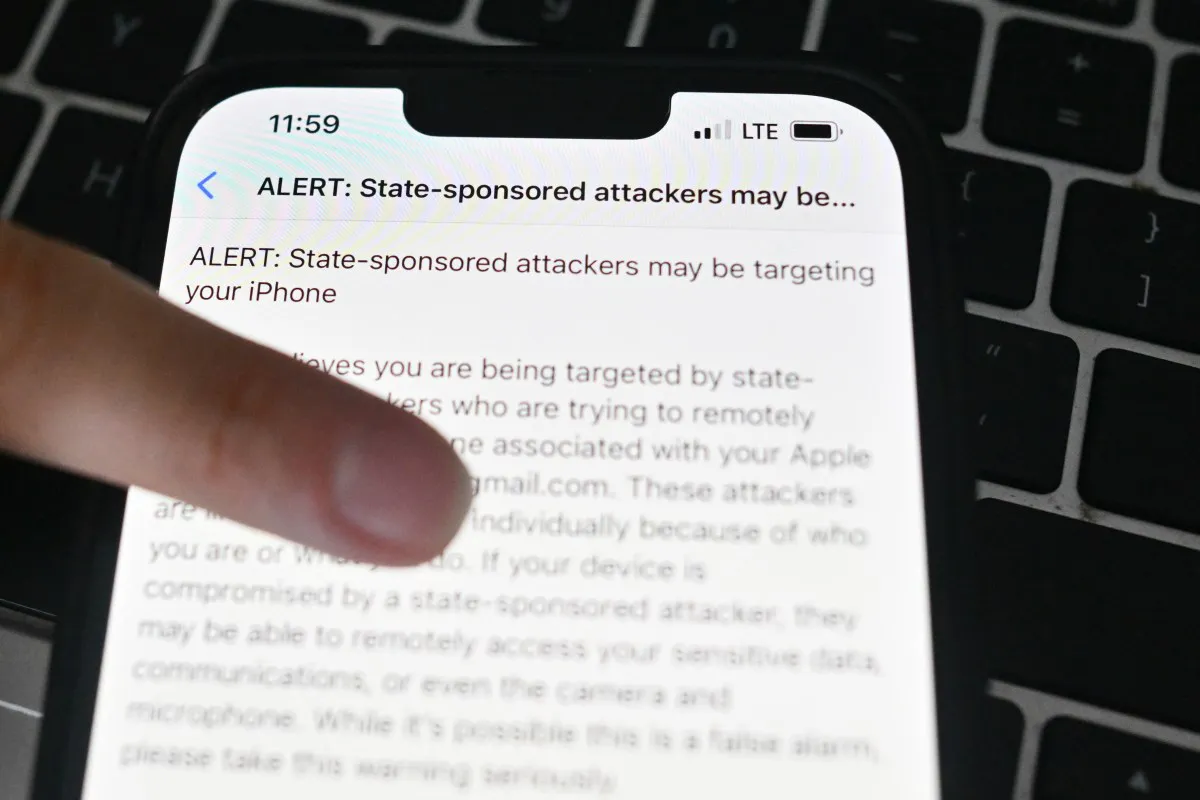
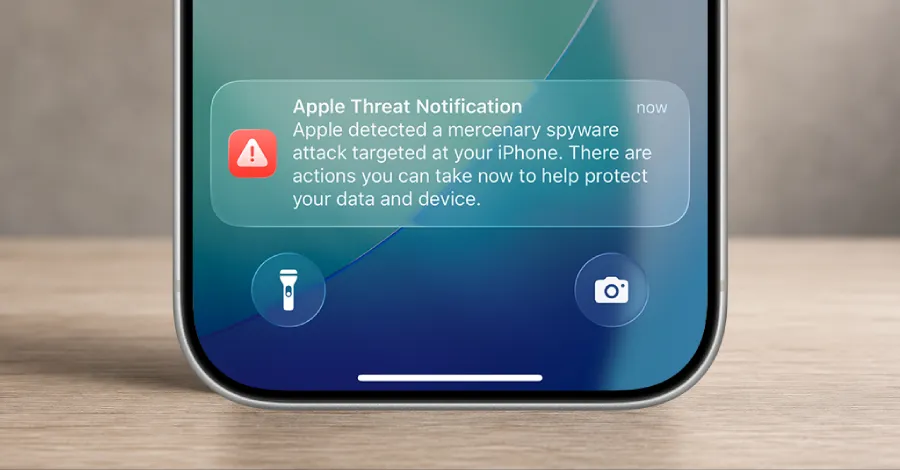
Unprecedented Spike in Apple Spyware Alerts: What You Need to Know
A record number of Apple users have received spyware alerts, indicating a surge in potential threats. This article explores the implications of these notifications and how users can protect themselves.
Related articles




Popular in Cybersecurity
- Federal Mandate for Autonomous Vehicles: A Call for Safety Compliance
- EU Mandates Google to Share Data and Open AI on Android: What It Means
- GitHub Revamps Bug Bounty Program: Implications for Developers and Security
- Australian Government Disables Thousands of Functional Broadband Routers: A Wasteful Decision
- Exploiting Redis: Understanding Zero-Day Vulnerabilities and Their Mitigation