Unmasking Recruitment Phishing: The Rise of Browser-in-the-Browser Attacks
CTM360 has revealed a significant uptick in recruitment phishing schemes, uncovering over 3,000 malicious URLs leveraging Browser-in-the-Browser (BitB) tactics. This article delves into the implications of these findings for businesses and job seekers alike.
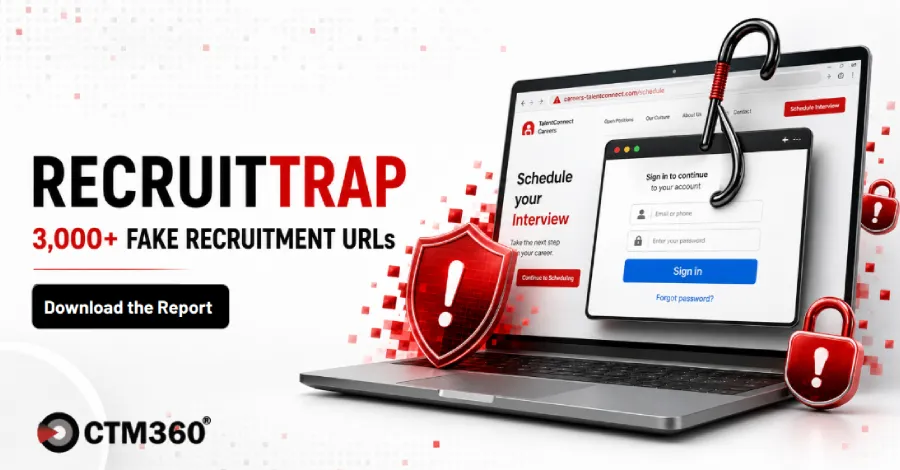
In a digital landscape where job seekers and recruiters increasingly rely on online interactions, a new wave of phishing scams has emerged, targeting both parties with alarming effectiveness. CTM360, a cybersecurity firm, has recently unveiled a staggering number of over 3,000 recruitment phishing URLs that exploit a sophisticated tactic known as Browser-in-the-Browser (BitB). This method not only deceives users but also opens the floodgates for potential identity theft and credential harvesting. As these phishing schemes evolve, understanding their mechanics and implications becomes crucial for both businesses and individuals navigating the job market.
The emergence of BitB attacks highlights a significant shift in the tactics employed by cybercriminals, who are leveraging advanced techniques to manipulate the user experience in unprecedented ways. This article explores the nuances of recruitment phishing, the operational mechanics of BitB, and the necessary steps organizations and job seekers can take to safeguard their digital identities.
Understanding Recruitment Phishing
Recruitment phishing is a type of cyberattack that targets individuals seeking employment, posing as legitimate job offers or recruitment communications. These scams often masquerade as emails or messages from well-known companies, offering enticing job opportunities that lure victims into a trap.
- Targeted Audiences: Job seekers, especially those actively applying for positions, are prime targets.
- Common Techniques: Scammers often use familiar branding and language to mimic reputable companies.
- Consequences: Victims may unwittingly provide sensitive information, leading to identity theft and financial loss.

The Mechanics of Browser-in-the-Browser Attacks
Browser-in-the-Browser (BitB) is a relatively new technique that enhances phishing attacks by creating a visual illusion of legitimate login prompts within a browser. This deceptive method allows attackers to craft convincing login interfaces that appear to be embedded in the user’s browser, effectively bypassing traditional security measures.
How BitB Works
In a typical BitB attack, the victim clicks a link that leads them to a seemingly legitimate website. Once there, they are presented with a pop-up window that mimics a login page. However, this pop-up is actually a clever imitation designed to capture the user’s credentials. The BitB technique is particularly effective because it exploits the user's trust in their browser environment, making it difficult to discern genuine login prompts from fraudulent ones.
Why It Matters
The implications of BitB attacks are profound. As more individuals rely on digital platforms for job applications, the attack surface for cybercriminals expands. Businesses that fail to recognize the signs of such scams risk not only potential breaches but also damage to their reputation and trustworthiness.
Real Stories: The Impact of Identity Exposure
CTM360's findings reveal that the consequences of these attacks extend beyond mere financial loss. The firm documented 11 real stories that illustrate how identity exposure through recruitment phishing can unlock active attack paths for cybercriminals. These narratives underscore the importance of vigilance and the need for robust cybersecurity measures.
Case Studies of Attack Paths
Each case study highlights different aspects of how recruitment phishing not only compromises individual data but also opens channels for broader organizational breaches. Attackers can leverage stolen credentials to access sensitive company information, leading to devastating consequences such as data breaches and financial fraud.
Key Takeaways from Real Incidents
1. **Identity Theft**: Victims often face long-term consequences, including credit score damage and financial liabilities.
2. **Network Breaches**: A compromised account can serve as a gateway for attackers to infiltrate corporate networks.
3. **Reputational Damage**: Organizations linked to phishing incidents may experience a loss of consumer trust, impacting their bottom line.

Proactive Measures Against Recruitment Phishing
As these phishing tactics become more sophisticated, the onus falls on both businesses and job seekers to adopt proactive measures to mitigate risks. Here are some effective strategies:
- Awareness Training: Regular training sessions can equip employees and job seekers with the knowledge to identify phishing attempts.
- Multi-Factor Authentication (MFA): Implementing MFA can significantly reduce the risk of credential theft.
- Email Filtering: Employ advanced email filtering solutions to identify and block phishing emails before they reach users.
- Vigilance in Communication: Always verify job offers and recruitment communications through official channels.
Key Takeaways
- Recruitment phishing schemes are increasing, with over 3,000 URLs identified by CTM360.
- Browser-in-the-Browser (BitB) attacks create convincing login interfaces that can deceive users.
- Identity exposure can lead to serious consequences for individuals and organizations alike.
- Proactive measures are essential to combat the growing threat of phishing attacks.
Frequently Asked Questions
What should I do if I suspect a phishing email?
If you suspect that an email is a phishing attempt, do not click on any links or download attachments. Instead, report the email to your IT department or email provider's fraud department. It’s also wise to change your passwords for any affected accounts and monitor your accounts for unusual activity.
How can businesses protect themselves from phishing attacks?
Businesses can implement a multi-faceted approach to cybersecurity, including regular employee training, robust email filtering systems, and the use of multi-factor authentication. Additionally, maintaining a strong incident response plan can help organizations swiftly address any breaches that do occur.
What are the signs of a phishing attack?
Common signs include unsolicited emails requesting personal information, poor grammar and spelling, and mismatched URLs. Legitimate companies will typically never ask for sensitive information through email. Always verify the sender's email address and look for inconsistencies.
Comments
Revolutionizing Fire Safety: Sonic Fire Tech's Sound-Powered Solution
Sonic Fire Tech is transforming fire protection with a groundbreaking sound-powered suppression system, having recently secured $15 million in funding to expedite its development. This innovative approach promises to mitigate fire damage while reducing cleanup costs and time, challenging conventional methods that have dominated the industry for over a century.

Related articles



Popular in Cybersecurity
- Federal Mandate for Autonomous Vehicles: A Call for Safety Compliance
- EU Mandates Google to Share Data and Open AI on Android: What It Means
- GitHub Revamps Bug Bounty Program: Implications for Developers and Security
- Australian Government Disables Thousands of Functional Broadband Routers: A Wasteful Decision
- Exploiting Redis: Understanding Zero-Day Vulnerabilities and Their Mitigation