Navigating Cybersecurity: The Implications of Hacking Foreign Crime Groups
A recent memo from the Trump administration opens doors for U.S. firms to engage in offensive cybersecurity measures against foreign crime organizations. This article explores the ramifications and strategies for businesses in this evolving landscape.
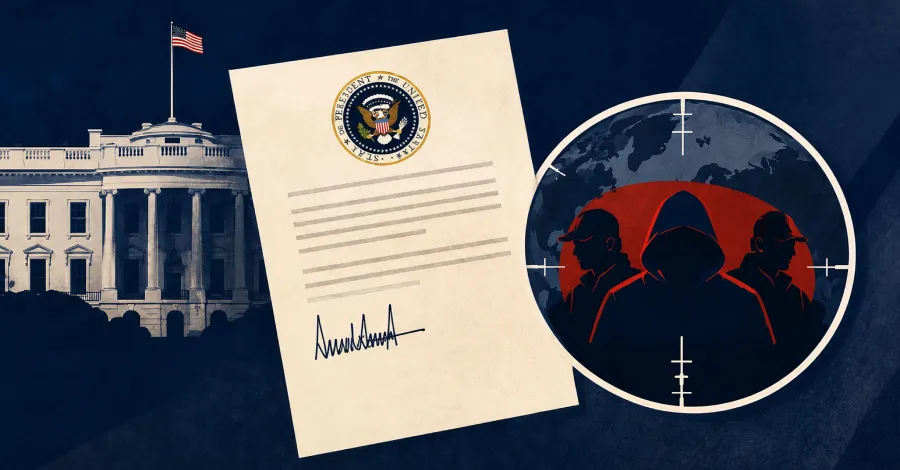
In a transformative move, a recent memo from the Trump administration signals a shift in the U.S. cybersecurity strategy, allowing American companies to actively engage in hacking and disrupting foreign crime groups. This policy not only marks a departure from traditional defensive measures but also positions private firms at the forefront of combating global cyber threats. As businesses brace for the implications of this directive, understanding the landscape of foreign cybercrime becomes imperative for all stakeholders.
The Context: U.S. Cybersecurity Policy Shifts
The evolution of cybersecurity policy in the United States has been shaped by the increasing sophistication of cybercriminal organizations. These entities often operate across borders, making it challenging for law enforcement agencies to take direct action. The new memo seeks to empower U.S. firms to fill this gap, enabling them to take proactive measures against these threats. Historically, U.S. cybersecurity policy has focused heavily on defense, prioritizing the protection of domestic networks and data. However, the memo indicates a willingness to adopt offensive tactics, a strategy that has been both praised and criticized.

The Memo: Key Provisions and Their Implications
The Trump administration's memo outlines several provisions that allow U.S. companies to engage in offensive cybersecurity operations. These operations may include hacking foreign crime groups to disrupt their activities or gather intelligence. Here are the primary implications:
- Empowerment of Private Sector: Firms can now take the initiative to protect their interests against foreign adversaries.
- Legal Considerations: Companies must navigate complex legal frameworks to ensure compliance with domestic and international laws.
- Potential for Escalation: Offensive measures could lead to retaliation from foreign crime groups, raising the stakes for U.S. businesses.
Understanding Foreign Cybercrime: Types and Tactics
To fully grasp the importance of this memo, it is essential to understand the landscape of foreign cybercrime. Cybercriminal organizations employ various tactics to exploit vulnerabilities within systems, and these can often lead to significant financial and reputational damage for businesses. Common methods include:
Phishing Attacks
Phishing remains one of the most prevalent tactics used by cybercriminals. By deceiving employees into providing sensitive information, attackers can gain unauthorized access to systems.
Ransomware
Ransomware attacks have surged in recent years, with criminals encrypting company data and demanding payment for its release. This tactic not only disrupts operations but can also lead to massive financial losses.
Distributed Denial-of-Service (DDoS) Attacks
DDoS attacks overwhelm servers with traffic, rendering services unavailable. These attacks can cripple businesses, especially those reliant on online operations.

Challenges for U.S. Firms: Navigating the New Landscape
While the ability to engage in offensive operations may seem advantageous, U.S. firms face numerous challenges in this new landscape. One significant concern is the potential for legal repercussions. Engaging in hacking activities raises questions about compliance with various laws and regulations, including the Computer Fraud and Abuse Act. Additionally, there is a risk of escalating tensions with foreign nations, as retaliatory measures could lead to a cycle of attacks.
Legal and Ethical Considerations
The legal landscape surrounding cybersecurity is complex and often ambiguous. Companies must ensure that their actions align with both U.S. law and international agreements. Furthermore, ethical considerations come into play, as businesses must weigh the potential benefits of offensive actions against the risk of harming innocent parties or escalating conflicts.
Best Practices for U.S. Firms in Offensive Cybersecurity
For companies looking to leverage the new policy effectively, it is crucial to adopt best practices to mitigate risks associated with offensive cybersecurity actions. Here are some strategies:
- Conduct Thorough Risk Assessments: Understand the potential repercussions of offensive operations and evaluate the legal landscape.
- Establish Clear Protocols: Develop guidelines for when and how to engage in offensive measures, ensuring alignment with legal and ethical standards.
- Collaborate with Law Enforcement: Work alongside government agencies to ensure compliance and gain insights into emerging threats.

Key Takeaways
- The Trump administration's memo allows U.S. firms to engage in offensive cybersecurity operations against foreign crime groups.
- Understanding the landscape of foreign cybercrime is crucial for businesses to develop effective strategies.
- Legal and ethical considerations must be prioritized to mitigate risks associated with offensive measures.
- Establishing best practices can help companies navigate the new cybersecurity landscape effectively.
Frequently Asked Questions
What does the recent memo allow U.S. companies to do?
The memo permits U.S. companies to take offensive actions against foreign crime groups, including hacking and disrupting their operations. This represents a significant shift from traditional defensive cybersecurity measures.
What types of cybercrime are most prevalent today?
Common types of cybercrime include phishing attacks, ransomware, and distributed denial-of-service (DDoS) attacks. Each of these tactics can have severe implications for businesses, leading to financial loss and reputational damage.
What legal challenges might companies face when engaging in offensive cybersecurity?
Companies may encounter various legal challenges, including compliance with the Computer Fraud and Abuse Act and international laws. Navigating this complex legal landscape is essential to avoid potential repercussions.
How can businesses prepare for the new landscape of offensive cybersecurity?
Businesses can prepare by conducting thorough risk assessments, establishing clear protocols for offensive actions, and collaborating with law enforcement agencies to ensure compliance and gain insights into emerging threats.
Comments
Revolutionizing Fire Safety: Sonic Fire Tech's Sound-Powered Solution
Sonic Fire Tech is transforming fire protection with a groundbreaking sound-powered suppression system, having recently secured $15 million in funding to expedite its development. This innovative approach promises to mitigate fire damage while reducing cleanup costs and time, challenging conventional methods that have dominated the industry for over a century.

Related articles


Popular in Cybersecurity
- Federal Mandate for Autonomous Vehicles: A Call for Safety Compliance
- EU Mandates Google to Share Data and Open AI on Android: What It Means
- GitHub Revamps Bug Bounty Program: Implications for Developers and Security
- Australian Government Disables Thousands of Functional Broadband Routers: A Wasteful Decision
- Exploiting Redis: Understanding Zero-Day Vulnerabilities and Their Mitigation