Unprecedented Spike in Apple Spyware Alerts: What You Need to Know
A record number of Apple users have received spyware alerts, indicating a surge in potential threats. This article explores the implications of these notifications and how users can protect themselves.
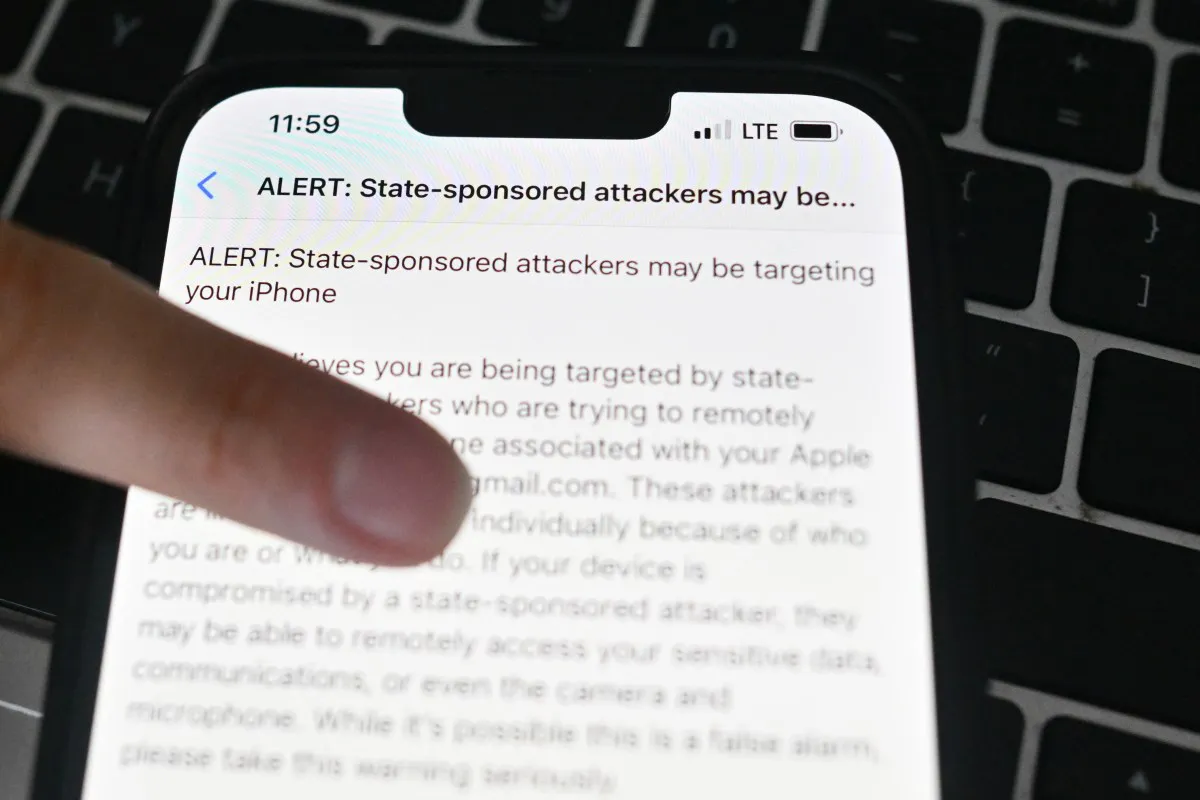
In an alarming development for Apple users worldwide, a significant surge in spyware alerts has been reported, marking a new chapter in the ongoing battle against digital threats. According to cybersecurity experts, Apple dispatched notifications to customers in 110 countries, warning them that they may be targets of sophisticated spyware typically employed by government entities. This unprecedented wave of alerts has left many users, including members of the military and activists, feeling vulnerable and uncertain about their digital security.
The implications of this situation are profound, as it not only raises questions about individual privacy but also highlights the growing prevalence of mercenary spyware. These sophisticated tools are often used for nefarious purposes by state and non-state actors alike, and the recent influx of notifications suggests a broader issue that is impacting users on a global scale. As Apple continues to enhance its security measures, understanding how to respond to these alerts is vital for all users.
Understanding the Nature of Spyware Threats
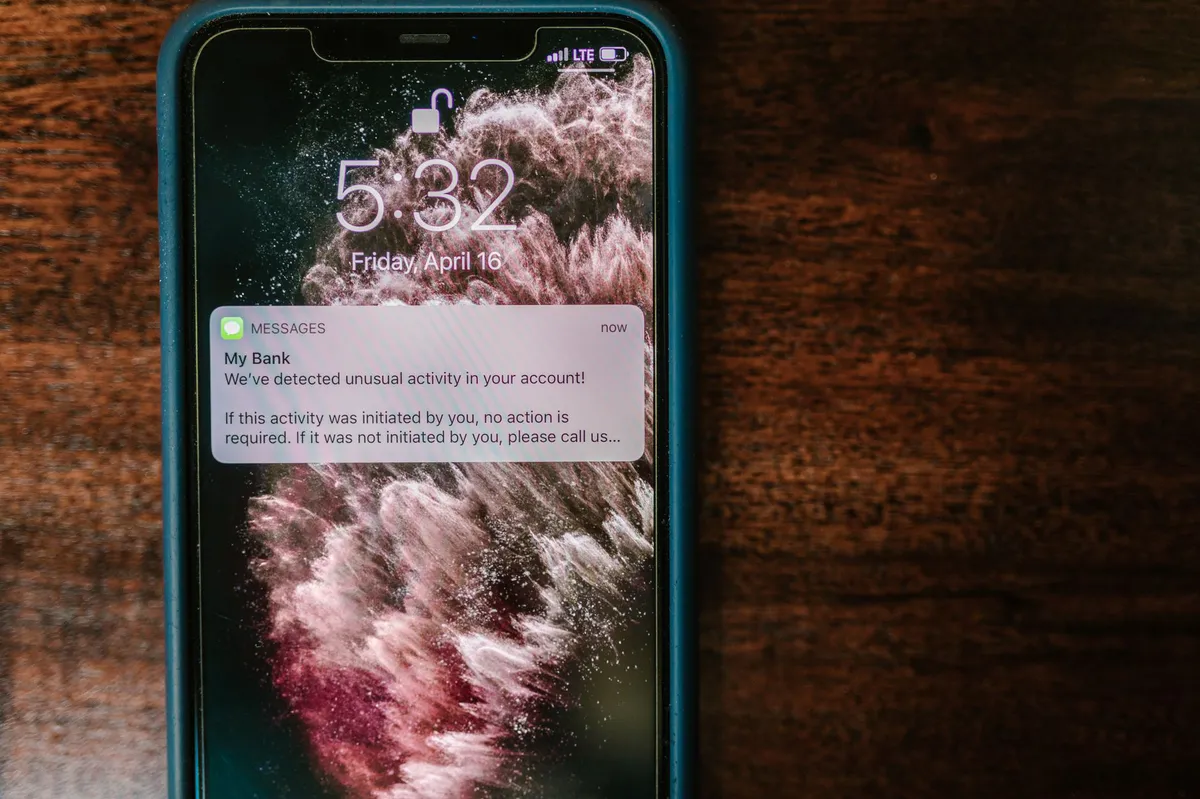
Spyware is a type of malicious software designed to infiltrate devices and gather sensitive information without the user’s consent. It can track user activities, steal credentials, and even control devices remotely. The category of spyware that Apple is warning its users about includes tools developed by private companies that sell their software to governments and other entities—often referred to as "mercenary spyware." This type of spyware is particularly concerning because it can be used against individuals who are journalists, activists, or simply outspoken on social issues.
According to an investigation by the Citizen Lab, a leading digital rights research organization, mercenary spyware has been used in numerous high-profile cases, including the targeting of human rights defenders and journalists. The recent spike in alerts suggests that the reach of these tools may be broader than previously thought, affecting a more diverse group of individuals across various sectors.

The Scale of the Recent Alerts
The recent wave of spyware alerts has caught the attention of cybersecurity experts and organizations around the world. Mohammed Al-Maskati, director of the Access Now team, reported a staggering increase in inquiries from individuals seeking assistance after receiving alerts—between 30% and 40% more than usual. This uptick indicates not only a heightened awareness of spyware threats but also a potential rise in the actual number of attacks being attempted.
John Scott-Railton, a senior researcher at the Citizen Lab, emphasized the unprecedented nature of this event, noting the extensive geographic diversity of reports. The broad range of users affected—from military personnel in Ukraine to everyday consumers—illustrates that no one is immune from these threats. Scott-Railton's observations also suggest that the visible alerts may represent just the tip of the iceberg, with many more individuals potentially being targeted without their knowledge.
Apple's Response to Spyware Threats
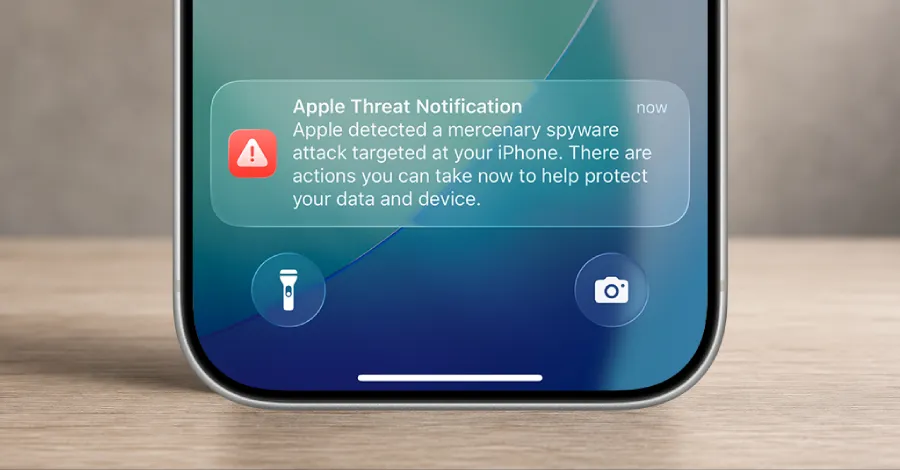
Apple has been proactive in its approach to combating spyware threats. The company routinely sends out alerts to users who may be at risk, leveraging new notification methods to ensure that these warnings reach as many people as possible. Starting this year, Apple has implemented notifications on various platforms, including users' iPhone lock screens, the Settings app, associated email accounts, and even web logins. This multi-channel approach increases the likelihood that users will take these alerts seriously.
Despite these efforts, Apple's response has not gone without criticism. While the company has made strides in security, some experts argue that it needs to do more to educate users on the risks associated with spyware and the steps they can take to protect themselves. This includes more robust guidelines on how to respond to alerts and what preventive measures to implement.
How to Protect Yourself from Spyware
If you receive a notification from Apple or any other platform indicating that you may have been targeted by spyware, it is crucial to take immediate action. Here are some essential steps to consider:
- Enable Lockdown Mode: This special security feature is designed to make it significantly more difficult for potential hackers to gain access to your devices. Apple has reported that no users with Lockdown Mode enabled have been successfully hacked.
- Update Your Software: Regularly updating your operating system and applications can help close vulnerabilities that spyware may exploit.
- Be Cautious with Links and Downloads: Avoid clicking on suspicious links or downloading unknown applications, as these can often be vectors for spyware.
- Educate Yourself: Stay informed about the latest cybersecurity threats and best practices for digital safety. Knowledge is one of the most potent tools against potential attacks.
- Seek Help if Necessary: If you believe you have been targeted, do not hesitate to reach out to cybersecurity organizations or professionals for assistance.
Key Takeaways
- A record number of Apple users have received spyware alerts, indicating a significant increase in potential threats.
- Mercenary spyware is used by governments and other entities to target individuals, including journalists and activists.
- Apple's notification methods have improved awareness but require further user education on responding to alerts.
- Taking immediate action, such as enabling Lockdown Mode, is essential for protecting personal devices.
- Staying informed and vigilant is crucial in the evolving landscape of cybersecurity threats.
Frequently Asked Questions
What should I do if I receive a spyware alert from Apple?
If you receive a spyware alert from Apple, take it seriously. Start by enabling Lockdown Mode on your device to enhance its security. Following that, ensure your software is up-to-date, and be cautious about any suspicious links or downloads. Finally, consider reaching out to a cybersecurity expert or a trusted organization for assistance if you feel you need support.
How does mercenary spyware differ from traditional spyware?
Mercenary spyware is often developed by private companies and sold to governments or other organizations for surveillance purposes. Unlike traditional spyware, which may be used by individual hackers or less organized groups, mercenary spyware is typically more sophisticated and designed for targeted attacks against specific individuals or groups, such as journalists, activists, or political dissidents.
Can I prevent spyware attacks altogether?
While it is impossible to guarantee complete immunity from spyware attacks, there are several proactive steps you can take to minimize your risk. Keeping your software updated, using strong passwords, enabling security features like Lockdown Mode, and being cautious about your online activities can greatly reduce your vulnerability.
How can I stay informed about cybersecurity threats?
Staying informed about cybersecurity threats involves regularly following reputable news sources, subscribing to cybersecurity blogs and newsletters, and participating in online forums focused on digital security. Many organizations, including the Citizen Lab and Access Now, provide valuable resources and updates on the latest threats and preventative measures.
Comments
Revolutionizing Fire Safety: Sonic Fire Tech's Sound-Powered Solution
Sonic Fire Tech is transforming fire protection with a groundbreaking sound-powered suppression system, having recently secured $15 million in funding to expedite its development. This innovative approach promises to mitigate fire damage while reducing cleanup costs and time, challenging conventional methods that have dominated the industry for over a century.

Related articles


Popular in Cybersecurity
- Federal Mandate for Autonomous Vehicles: A Call for Safety Compliance
- EU Mandates Google to Share Data and Open AI on Android: What It Means
- GitHub Revamps Bug Bounty Program: Implications for Developers and Security
- Australian Government Disables Thousands of Functional Broadband Routers: A Wasteful Decision
- Exploiting Redis: Understanding Zero-Day Vulnerabilities and Their Mitigation