Apple Issues Warnings: Mercenary Spyware Targets Users Worldwide
Apple has alerted users in 110 countries about potential threats from mercenary spyware. This article explores the implications of such warnings, the nature of spyware, and how users can protect themselves.
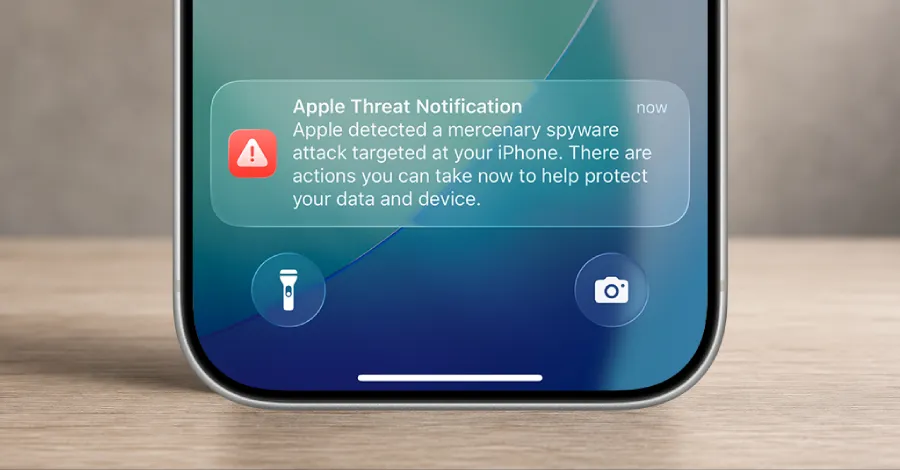
In a significant move that underscores the growing threat of cyber espionage, Apple has issued warnings to its users in 110 countries, alerting them that they might be potential targets of mercenary spyware. This revelation not only highlights the pervasive nature of such threats but also emphasizes the urgent need for users to understand the implications of spyware and take proactive measures to safeguard their digital lives.
Mercenary spyware refers to software developed and sold by private companies for the purpose of surveillance, often targeting individuals, journalists, activists, and political figures. The capabilities of such spyware can be alarming, allowing hackers to gain access to sensitive information, track movements, and even activate devices remotely. As technology advances, so do the tactics employed by these cyber mercenaries, making it increasingly difficult for everyday users to protect themselves.
The Rise of Mercenary Spyware
The proliferation of mercenary spyware has been fueled by a complex ecosystem of technology developers and buyers who operate outside the traditional bounds of law enforcement and national security. Companies such as NSO Group and Hacking Team have gained notoriety for creating advanced surveillance technologies that can bypass conventional security measures.
How It Works
Mercenary spyware typically exploits vulnerabilities in software to gain unauthorized access to devices. Once installed, it can:
- Capture keystrokes and text messages
- Access photos and videos
- Monitor calls and conversations
- Track GPS locations
This type of spyware operates silently in the background, making it challenging for users to detect its presence. Recent high-profile cases have shown how such tools can lead to severe breaches of privacy and even threaten the safety of individuals.
Apple's Response to the Threat
In response to this alarming trend, Apple is taking a proactive approach by notifying users about potential threats. The company has emphasized the importance of maintaining software updates and utilizing built-in security features to mitigate risks. Apple’s iOS and macOS platforms come with robust security frameworks designed to protect users from unauthorized access and malware.
Key Security Features
Some of the notable security features integrated into Apple devices include:
- App Privacy Reports: Users can see how often apps are accessing sensitive data.
- Face ID and Touch ID: Biometric authentication adds an extra layer of security.
- End-to-End Encryption: Ensures that messages and data are only readable by the sender and recipient.
Despite these measures, Apple acknowledges that users must remain vigilant and informed about the evolving landscape of cyber threats.

Implications for Users and Organizations
The ramifications of mercenary spyware extend beyond individual users. Organizations, particularly those handling sensitive information, are also at risk. The exposure of corporate data can lead to significant financial losses, reputational damage, and legal consequences.
Best Practices for Protection
To minimize risks associated with spyware, users and organizations should consider the following best practices:
- Regularly update all software to patch vulnerabilities.
- Utilize strong, unique passwords for all accounts.
- Employ multi-factor authentication wherever possible.
- Be cautious of suspicious links and attachments in emails.
- Consider using virtual private networks (VPNs) to enhance privacy online.
By implementing these strategies, users can significantly reduce their chances of falling victim to mercenary spyware.

Legal and Ethical Considerations
The use of mercenary spyware raises profound legal and ethical questions. While many governments employ surveillance tools to enhance national security, the unchecked proliferation of such technologies can lead to abuses of power and violations of human rights. The lack of regulation around the sale and use of spyware creates a precarious situation where malicious actors can exploit these technologies without accountability.
Calls for Regulation
Advocates for privacy and civil liberties are calling for stricter regulations governing the use of spyware. The goal is to ensure that such tools are not used to infringe upon individual rights, particularly for those in vulnerable positions, such as journalists and activists. Policymakers are urged to develop frameworks that balance the need for security with the imperative to protect civil liberties.
Key Takeaways
- Apple warns users in 110 countries of potential mercenary spyware threats.
- Mercenary spyware can enable unauthorized access to sensitive information.
- Users should leverage built-in security features and remain vigilant.
- Organizations face significant risks from spyware, warranting proactive measures.
- Stricter regulations are needed to govern the use of spyware and protect civil liberties.
Frequently Asked Questions
What is mercenary spyware?
Mercenary spyware refers to software developed by private companies that allows for surveillance and unauthorized access to devices. It is often sold to governments and private entities for the purpose of monitoring individuals, including journalists and activists.
How can I tell if my device is infected with spyware?
Detecting spyware can be challenging, as it operates stealthily. However, signs of infection may include unusual device behavior, such as rapid battery drain, unexpected app installations, or increased data usage. Running regular security scans with trusted antivirus software can help identify potential threats.
What steps can I take to protect my privacy online?
To protect your privacy online, ensure that your software is always up to date, use strong passwords, enable multi-factor authentication, and be cautious when clicking on links or downloading attachments. Additionally, consider using privacy-focused tools, such as VPNs and secure messaging apps.
Are there legal protections against spyware?
Legal protections against spyware vary by country. In many jurisdictions, laws exist that govern data protection and privacy; however, enforcement can be inconsistent. Advocates are pushing for more comprehensive regulations to address the challenges posed by mercenary spyware.
Comments
Revolutionizing Fire Safety: Sonic Fire Tech's Sound-Powered Solution
Sonic Fire Tech is transforming fire protection with a groundbreaking sound-powered suppression system, having recently secured $15 million in funding to expedite its development. This innovative approach promises to mitigate fire damage while reducing cleanup costs and time, challenging conventional methods that have dominated the industry for over a century.

Related articles

Popular in Cybersecurity
- Federal Mandate for Autonomous Vehicles: A Call for Safety Compliance
- EU Mandates Google to Share Data and Open AI on Android: What It Means
- GitHub Revamps Bug Bounty Program: Implications for Developers and Security
- Australian Government Disables Thousands of Functional Broadband Routers: A Wasteful Decision
- Exploiting Redis: Understanding Zero-Day Vulnerabilities and Their Mitigation