Understanding the Rise of Fake Software Updates in Cybersecurity Threats
Cybercriminals are increasingly using fake software updates to install persistent remote access tools like ScreenConnect, exposing organizations to significant risks. This article delves into the mechanics of these attacks and offers insights on how to safeguard your systems.

In an era where digital connectivity is paramount, the security of software updates has become a focal point for cybersecurity professionals. Recent reports indicate a troubling trend where cybercriminals exploit the trust users place in legitimate software brands like Adobe and Zoom. By crafting convincing fake update notifications, these malicious actors install persistent remote access tools such as ScreenConnect, creating pathways for unauthorized access to sensitive data and systems. This article explores the mechanisms behind these attacks and offers actionable strategies for organizations to protect themselves from this growing threat.
The Mechanics of Fake Software Updates
Fake software updates often masquerade as legitimate notifications from trusted applications. For instance, a user may receive a prompt suggesting that they need to update their Adobe Acrobat Reader or Zoom client. These notifications can be highly sophisticated, resembling the genuine update prompts in appearance and functionality.
How the Attack Works
Here’s a typical sequence of events in a fake update attack:
- Phishing Emails: Attackers often initiate the process by sending phishing emails that contain links to malicious websites designed to look like the official software providers.
- Fake Notification Pop-Ups: Alternatively, users may encounter pop-ups while browsing the internet that prompt them to install updates.
- Malware Installation: Once the user clicks on the link or pop-up, they inadvertently download a trojan or malware, such as ScreenConnect, which allows attackers to gain persistent remote access to their systems.
- Exploitation: With this access, attackers can steal sensitive information, deploy additional malware, or move laterally within the network.

The Growing Threat Landscape
The prevalence of fake software updates is a part of a larger trend in the cybersecurity landscape, where attackers are increasingly targeting software supply chains. The Cybersecurity and Infrastructure Security Agency (CISA) has issued warnings about the rise of these tactics, noting that they can affect any organization, regardless of size or sector.
Recent Incidents and Their Implications
Several high-profile incidents have highlighted the risks associated with fake software updates. For example, a recent breach involving a government contractor was traced back to a fake update for a widely used software tool, which led to the compromise of sensitive data. Such breaches not only result in financial loss but can also damage reputations and lead to regulatory scrutiny.
Understanding Active Attack Paths
To combat these threats effectively, organizations need to understand the concept of active attack paths, which refer to the various routes an attacker can take to gain unauthorized access to systems. Cross-domain privilege escalation, in particular, is a pivotal aspect of this dynamic.
Mapping Attack Paths
By mapping out potential attack paths, cybersecurity teams can identify key choke points in their defense systems. For instance, if an organization knows that a particular software tool has a history of being exploited, they can implement heightened security measures around that tool, such as:
- Regular updates and patches.
- Employee training to recognize fake update notifications.
- Implementing multi-factor authentication (MFA) to reduce the risk of unauthorized access.

Best Practices for Prevention
Organizations can take several proactive measures to protect themselves against the threats posed by fake software updates:
Establish a Culture of Security
Creating a culture of cybersecurity awareness is crucial. Employees should be regularly trained to recognize phishing attempts and understand the potential consequences of falling for such attacks. A well-informed staff is one of the strongest defenses against cyber threats.
Implement Robust Security Measures
Investing in robust cybersecurity measures is essential. This includes deploying endpoint protection solutions that can detect and block unauthorized access attempts, as well as ensuring that software is always updated to the latest versions. Additionally, organizations should consider using trusted application whitelisting to ensure only approved software can be installed on their systems.
Key Takeaways
- Fake software updates are a growing cybersecurity threat that leverages user trust.
- Understanding and mapping active attack paths can help organizations strengthen defenses.
- Employee training and awareness are crucial for preventing successful attacks.
- Robust security measures, including endpoint protection and software whitelisting, are essential.

Frequently Asked Questions
What should I do if I suspect a fake software update?
If you suspect a fake software update, do not click on the notification. Instead, go directly to the official website of the software provider to check for legitimate updates. Additionally, run a complete security scan of your system using trusted antivirus software to check for any potential malware.
How can organizations train employees to recognize fake updates?
Organizations can conduct regular training sessions that include real-world examples of phishing attempts and fake update notifications. Simulated phishing exercises can also provide employees with hands-on experience, helping them to identify suspicious emails and alerts more effectively.
What are some key indicators of fake software updates?
Key indicators of fake software updates include poor grammar or spelling in the notification, unusual or unrecognized software names, and requests for sensitive information during the update process. Legitimate updates typically do not ask users for personal data.
Comments
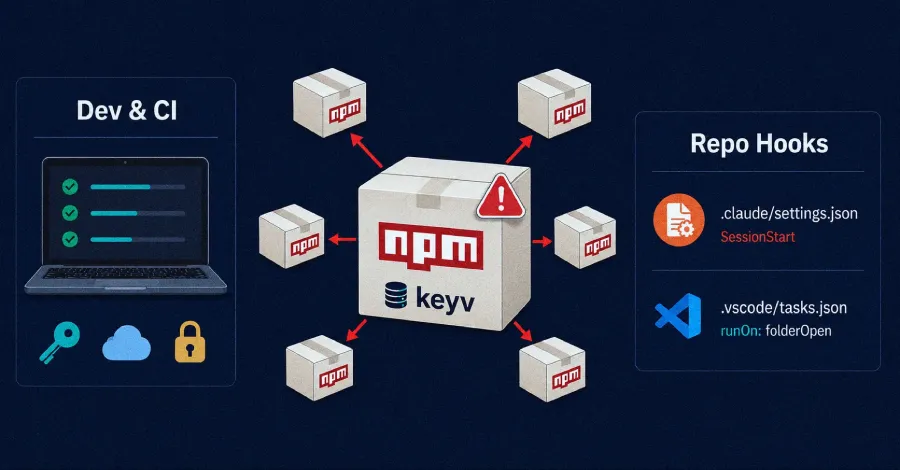
New npm Worm Highlights Vulnerabilities in Package Management Systems
The recent Keyv-Linked npm worm has compromised hundreds of packages, revealing critical vulnerabilities in the Node.js ecosystem. Developers must act now to safeguard their projects.
Related articles





Popular in Cybersecurity
- Federal Mandate for Autonomous Vehicles: A Call for Safety Compliance
- EU Mandates Google to Share Data and Open AI on Android: What It Means
- GitHub Revamps Bug Bounty Program: Implications for Developers and Security
- Australian Government Disables Thousands of Functional Broadband Routers: A Wasteful Decision
- Exploiting Redis: Understanding Zero-Day Vulnerabilities and Their Mitigation