New npm Worm Highlights Vulnerabilities in Package Management Systems
The recent Keyv-Linked npm worm has compromised hundreds of packages, revealing critical vulnerabilities in the Node.js ecosystem. Developers must act now to safeguard their projects.
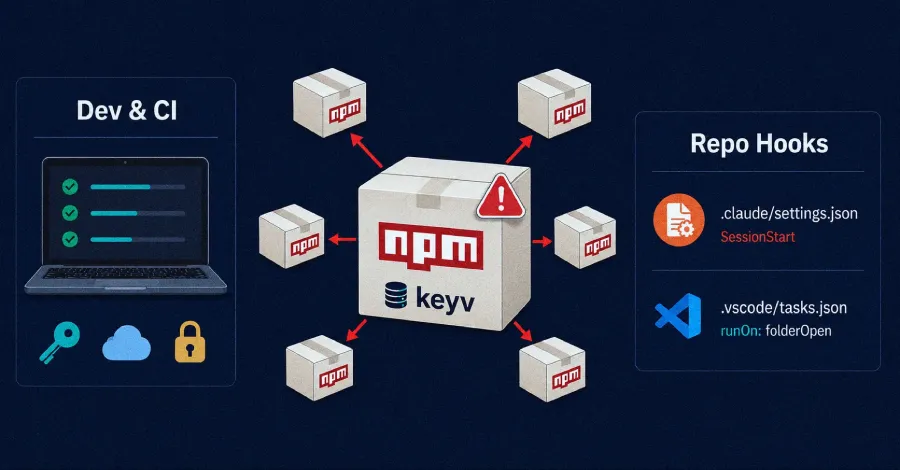
In an alarming development for software developers and businesses reliant on Node.js, a new npm worm has infiltrated hundreds of packages, exposing significant vulnerabilities within the package management ecosystem. Named after its key dependency, Keyv, this malicious code not only compromises existing applications but also plants hooks designed to infect integrated development environments (IDEs) like Visual Studio Code. As developers scramble to secure their projects, this incident underscores the urgent need for enhanced vigilance and security practices within the open-source community.
The Keyv-Linked npm worm serves as a stark reminder of the risks associated with package management systems, where trust is foundational. This article delves into the nature of the attack, its implications for developers, and essential security measures that can mitigate similar threats in the future.
Understanding the Keyv-Linked npm Worm
The Keyv-Linked npm worm is a sophisticated piece of malware that compromises packages in the Node.js ecosystem. It exploits dependencies to inject malicious code into applications unsuspecting developers might use. The worm's main objective is to establish a backdoor, enabling unauthorized access and control over affected systems.
How the Worm Operates
Upon installation, the worm executes a series of commands that allow it to:
- Modify Codebases: The worm can alter the source code of the application, embedding its own malicious payload.
- Plant Hooks: It installs hooks within popular IDEs like Visual Studio Code, enabling it to capture sensitive information such as user credentials or API keys.
- Spread Further: By targeting widely-used packages, the worm can propagate rapidly across various projects and organizations.
This propagation mechanism is particularly concerning, as it can lead to a widespread compromise across the ecosystem, affecting not only individual developers but also larger organizations that rely on these packages for their applications.

The Broader Implications for the Software Development Community
The emergence of the Keyv-Linked npm worm raises critical questions about the security posture of the software development community. With increasing reliance on third-party packages, developers must acknowledge that they are part of a larger ecosystem where vulnerabilities can have cascading effects.
The Risks of Dependency Management
When developers integrate third-party libraries into their projects, they often assume that these libraries are secure. However, as seen in this incident, even popular packages can harbor vulnerabilities. The risks include:
- Supply Chain Attacks: Attackers target widely used packages, knowing that many projects depend on them.
- Privilege Escalation: Malicious code can escalate privileges, gaining access to sensitive environments.
- Data Exposure: Compromised packages can lead to data breaches, with potentially severe consequences for organizations.
As organizations increasingly adopt DevOps practices, where speed and agility are prioritized, the temptation to use hastily vetted packages grows. This environment creates a fertile ground for threats like the Keyv-Linked npm worm.

Best Practices for Securing Your Codebase
To combat threats like the Keyv-Linked npm worm, developers must adopt rigorous security practices when managing dependencies. Here are some actionable steps to enhance your codebase's security:
- Regular Audits: Conduct regular audits of your dependencies using tools like npm audit or Snyk to identify and remediate vulnerabilities.
- Use Trusted Sources: Only install packages from reputable sources and verify their integrity before use.
- Stay Informed: Follow security advisories related to your dependencies to stay ahead of potential threats.
- Implement Version Control: Use version control systems to track changes and revert to secure versions when necessary.
By implementing these best practices, developers can significantly reduce the risk of falling victim to similar attacks in the future.

Key Takeaways
- The Keyv-Linked npm worm has compromised hundreds of packages in the Node.js ecosystem.
- It exploits dependencies to establish backdoors and plant hooks in IDEs like Visual Studio Code.
- Developers must adopt rigorous security practices to safeguard their projects against similar threats.
Frequently Asked Questions
What is the Keyv-Linked npm worm?
The Keyv-Linked npm worm is a malicious piece of software that compromises Node.js packages by injecting harmful code. Its primary goal is to create backdoors for unauthorized access while also affecting developers' IDEs.
How can developers protect their projects from such attacks?
Developers can protect their projects by conducting regular dependency audits, using trusted sources for packages, staying informed about security advisories, and implementing version control to manage changes effectively.
What should I do if I suspect my project has been compromised?
If you suspect that your project has been compromised, promptly conduct a security audit, remove any suspicious packages, and revert to a secure version of your codebase. It's also advisable to update your credentials and monitor for any unauthorized access.
Comments
Understanding the Rise of Fake Software Updates in Cybersecurity Threats
Cybercriminals are increasingly using fake software updates to install persistent remote access tools like ScreenConnect, exposing organizations to significant risks. This article delves into the mechanics of these attacks and offers insights on how to safeguard your systems.

Related articles





Popular in Cybersecurity
- Federal Mandate for Autonomous Vehicles: A Call for Safety Compliance
- EU Mandates Google to Share Data and Open AI on Android: What It Means
- GitHub Revamps Bug Bounty Program: Implications for Developers and Security
- Australian Government Disables Thousands of Functional Broadband Routers: A Wasteful Decision
- Exploiting Redis: Understanding Zero-Day Vulnerabilities and Their Mitigation