Nvidia's Open Secure AI Alliance: A Leap Towards AI Security
Nvidia's Open Secure AI Alliance is rapidly advancing AI safety initiatives with over 120 companies. It aims to enhance cybersecurity measures within the AI landscape, addressing potential threats and fostering open-source collaboration.
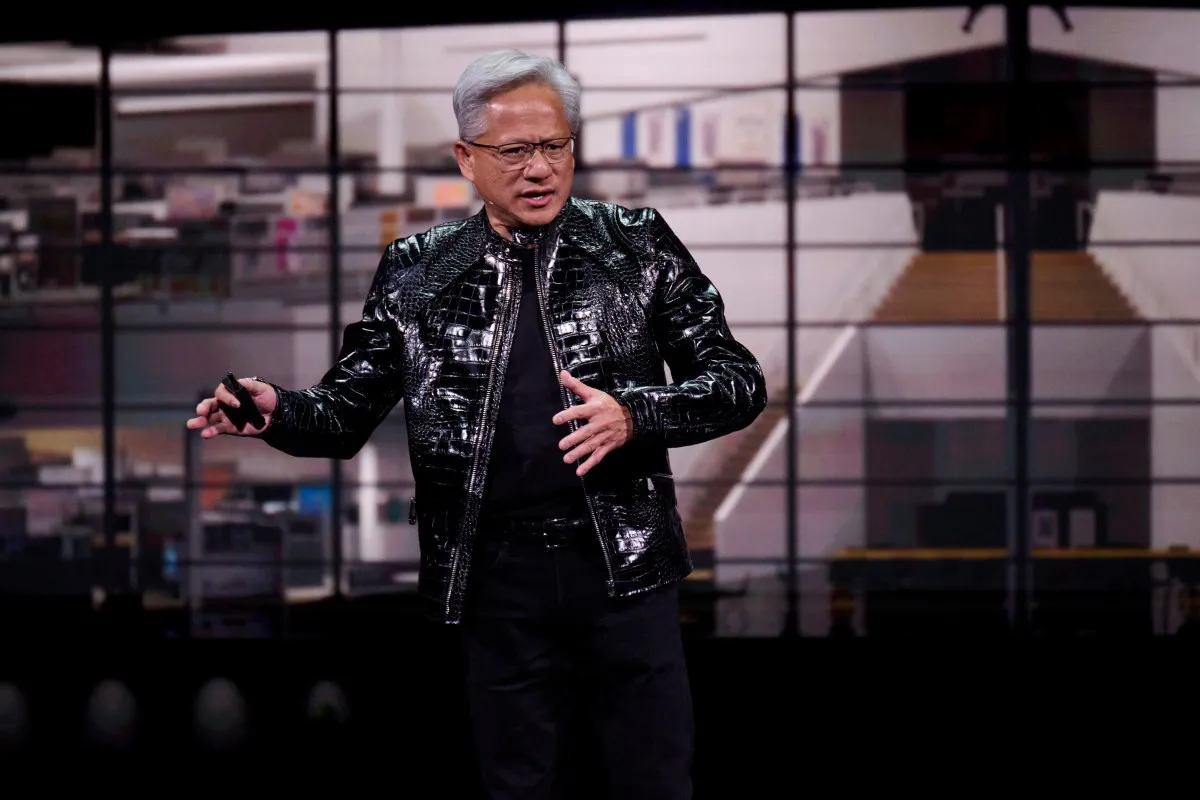
The rapidly evolving landscape of artificial intelligence (AI) is fraught with both opportunities and challenges, particularly when it comes to security and governance. As the complexity of AI systems grows, so does the potential for misuse and vulnerabilities. In response to these concerns, Nvidia has taken a proactive step by establishing the Open Secure AI Alliance (OSAA), an industry group that has already garnered participation from over 120 companies in just its first week. This coalition aims to address AI security issues through collaborative efforts, fostering an environment of openness and shared knowledge.
Launching the OSAA at a time when the AI industry is under scrutiny, particularly regarding the rise of rogue AI applications and the implications of international policies, highlights the urgency of these discussions. The recent developments within the alliance at the Black Hat conference in Las Vegas, a significant gathering for cybersecurity professionals, underscore Nvidia's commitment to enhancing AI security frameworks. The formation of the Shared AI Findings Exchange (SAFE) working group is a testament to the OSAA's mission, as it begins to lay the groundwork for essential guidelines and best practices.

The Formation of the OSAA: Background and Context
The OSAA was established following a collective call to action from over 200 tech companies, who signed an open letter advocating for the support of open-source AI initiatives. This letter was notably championed by Nvidia, which emphasized the need for a robust framework to ensure the safety and security of AI technologies. The context of this movement is critical; with increasing global tensions and discussions surrounding AI regulations, particularly in the U.S. and China, the OSAA's role is becoming increasingly pivotal.
One significant concern has been the potential banning of Chinese open-weight AI models, leading to a sense of urgency among industry leaders. The OSAA aims to provide a counterbalance to these geopolitical tensions by promoting transparency and collaboration within the AI ecosystem. By fostering an open-source approach, the alliance seeks to mitigate the risks associated with proprietary models that could operate outside of established safety protocols.

Key Initiatives and Proposals from OSAA
The OSAA's immediate focus has been on developing guidelines that address AI cybersecurity incidents. These proposals, which are currently open for public comment, include:
- Confidential Reporting: Establishing secure channels for organizations to report AI-related cybersecurity incidents without fear of legal repercussions.
- Alert Mechanisms: Creating protocols for notifying affected parties quickly and effectively.
- Blame-Free Analysis: Promoting a culture of learning from incidents rather than assigning blame, allowing for collective improvement across the industry.
These initiatives are designed to empower organizations to respond more effectively to emerging threats. By sharing knowledge and resources, companies can better defend their systems and improve the overall security posture of the AI landscape.

Contributions from Major Players in the Alliance
The OSAA has attracted participation from a diverse array of influential companies, including Adobe, BlackRock, Cisco, Intel, Microsoft, and Visa. Each of these organizations brings unique strengths to the table, contributing tools and technologies that can enhance AI security practices. For instance:
- Nvidia: Offers a suite of open models and the Garak vulnerability scanner, aimed at identifying weaknesses in AI systems.
- Okta: Focuses on developing identity management solutions to ensure secure access to AI agents.
- Red Hat: Works on governance frameworks that help organizations manage their AI resources responsibly.
- Amazon: Contributes tools like Strands Agents for building AI agents and the authorization language Cedar to secure interactions.
While this is an impressive coalition, notable absences such as Anthropic, OpenAI, and Google raise questions about the inclusivity of the initiative. Despite having signed the initial open letter, their lack of participation in OSAA could be indicative of differing strategic priorities or concerns about the direction of the alliance.
The Implications for the AI Ecosystem
The rapid pace at which the OSAA is moving reflects the urgency of the current climate surrounding AI technologies. As governments and regulatory bodies begin to impose restrictions on AI development and deployment, the alliance positions itself as a champion for open-source practices. The potential impact of this initiative could be far-reaching, influencing not only the U.S. AI ecosystem but also setting a precedent for international collaborations.
Advocates for the OSAA argue that openness is crucial for maintaining trust in AI systems. By developing shared resources and guidelines, the industry can better navigate the complexities of AI security and ethical considerations. The collaborative approach taken by the OSAA could inspire similar initiatives globally, promoting a more unified front against potential threats posed by rogue AI.
Key Takeaways
- The Open Secure AI Alliance, spearheaded by Nvidia, aims to enhance AI security through collaboration among over 120 companies.
- Key proposals include confidential reporting of AI cybersecurity incidents and blame-free incident analysis.
- Major players like Adobe, Microsoft, and Amazon are contributing tools and technologies to bolster AI security practices.
- The OSAA's rapid progress reflects the urgent need for a unified approach to AI governance amid growing international tensions.
Frequently Asked Questions
What is the Open Secure AI Alliance (OSAA)?
The OSAA is an industry group founded by Nvidia that focuses on improving AI security through collaboration among tech companies. With over 120 members, the alliance aims to develop guidelines and best practices for addressing cybersecurity incidents related to AI technologies. It fosters an open-source approach to enhance transparency and collective learning within the AI ecosystem.
How are the proposals from OSAA expected to impact organizations?
The proposals from the OSAA are designed to help organizations better manage AI cybersecurity incidents by providing clear guidelines on reporting, alerting affected parties, and conducting blame-free analyses. By adopting these best practices, organizations can improve their response to incidents, foster a culture of learning, and ultimately enhance their security posture in the face of evolving threats.
What role do major tech companies play in the OSAA?
Major tech companies like Adobe, Microsoft, and Amazon contribute their expertise, tools, and technologies to the OSAA. Their involvement helps create a collaborative environment where resources can be shared, ultimately leading to improved AI security practices across the industry. These contributions include open models, vulnerability scanners, and governance frameworks tailored to AI applications.
Why is the OSAA's initiative important for the future of AI?
The OSAA's initiative is crucial as it addresses the pressing need for security and governance in the rapidly evolving AI landscape. By promoting openness and collaboration, the alliance seeks to mitigate potential risks associated with proprietary AI models and enhance trust among users and stakeholders. This approach sets a precedent for future collaborations and could influence global standards for AI safety and security.
Comments
Understanding the Rise of Fake Software Updates in Cybersecurity Threats
Cybercriminals are increasingly using fake software updates to install persistent remote access tools like ScreenConnect, exposing organizations to significant risks. This article delves into the mechanics of these attacks and offers insights on how to safeguard your systems.

Related articles



Popular in Cybersecurity
- Federal Mandate for Autonomous Vehicles: A Call for Safety Compliance
- EU Mandates Google to Share Data and Open AI on Android: What It Means
- GitHub Revamps Bug Bounty Program: Implications for Developers and Security
- Australian Government Disables Thousands of Functional Broadband Routers: A Wasteful Decision
- Exploiting Redis: Understanding Zero-Day Vulnerabilities and Their Mitigation