The Rising Threat of Device Code Phishing: Understanding MFA Vulnerabilities
As cyber threats evolve, device code phishing emerges as a method to bypass multi-factor authentication (MFA). This article explores its implications and preventive measures.
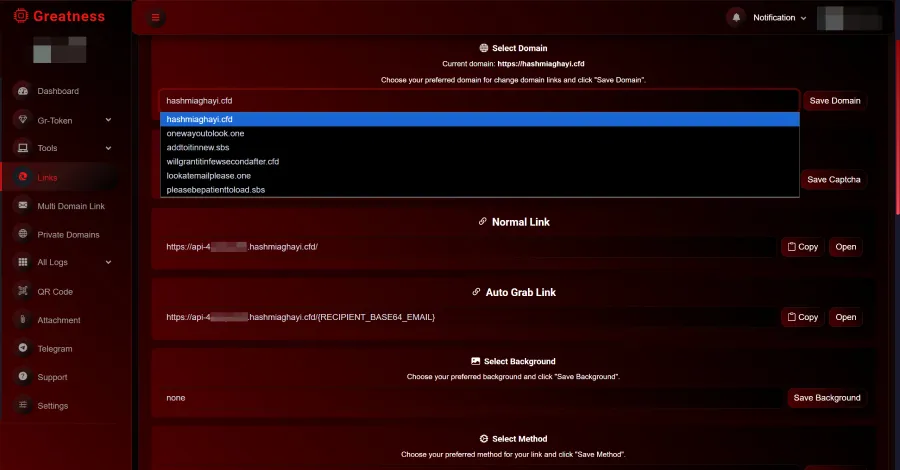
In the ever-evolving landscape of cybersecurity, organizations are facing new and sophisticated threats that challenge traditional defenses. One such threat is device code phishing, a method that targets multi-factor authentication (MFA) processes to steal session tokens and gain unauthorized access. As businesses increasingly rely on MFA to secure sensitive data, understanding this vulnerability is critical for safeguarding against potential breaches. This article delves into the mechanics of device code phishing, its implications for organizations, and best practices for prevention.
Understanding Device Code Phishing
Device code phishing is a relatively new attack vector that exploits the way MFA systems operate. MFA adds an extra layer of security by requiring users to present two or more verification factors to gain access to a system. While this is a robust security measure, it is not infallible. Attackers have discovered that they can bypass MFA by tricking users into providing device codes, which are typically used in conjunction with a password.
How Device Code Phishing Works
In a typical device code phishing attack, an attacker may send a user a seemingly legitimate request for authentication. This could take the form of an email or SMS prompt that appears to come from a trusted source, like their organization’s IT department. Users might be asked to enter a device code that they receive via email or SMS, often under the guise of verifying their login attempt.
Once the user submits this device code, the attacker can use it to gain unauthorized access to the user’s account. This method leverages the inherent trust users have in legitimate MFA prompts and can lead to significant security breaches.

The Implications of Bypassing MFA
Bypassing MFA through device code phishing can have dire consequences for organizations. Here are some key implications:
- Data Breaches: Access to sensitive information such as customer data, proprietary business information, and financial records can lead to significant financial losses and reputational damage.
- Regulatory Consequences: Organizations may face penalties for failing to protect user data as mandated by regulations like GDPR or HIPAA.
- Increased Attack Surface: Successful MFA bypasses can lead to lateral movements within networks, allowing attackers to escalate privileges and access even more sensitive systems.
- Loss of Trust: Customers and partners may lose trust in an organization that suffers a data breach, impacting future business opportunities.
Identifying Active Attack Paths
To effectively combat device code phishing, organizations must understand how identity exposure can unlock active attack paths. These paths can be likened to a map, identifying key choke points within the organization’s defenses. By mapping out potential vulnerabilities and privilege escalation points, security teams can implement targeted measures to sever these breach routes.
Privilege Escalation and Breach Routes
Privilege escalation occurs when an attacker gains elevated access to resources that are normally protected from an application or user. This is a critical concern when it comes to device code phishing, as attackers can exploit compromised accounts to move laterally across an organization’s network.
Organizations should focus on:
- Conducting regular security assessments to identify potential vulnerabilities.
- Implementing principles of least privilege to minimize access to sensitive systems.
- Monitoring user activity for signs of anomalous behavior that may indicate an active breach.

Best Practices for Prevention
Organizations must take proactive steps to mitigate the risks associated with device code phishing. Here are some best practices to implement:
- User Education: Regularly train employees on recognizing phishing attempts and the importance of verifying authentication requests.
- Adaptive MFA Solutions: Consider implementing adaptive MFA solutions that can assess contextual factors before prompting for device codes.
- Incident Response Planning: Develop and regularly update incident response plans to quickly address potential breaches and minimize damage.
- Continuous Monitoring: Implement continuous monitoring of user access and authentication requests to detect and respond to suspicious activity in real time.
Key Takeaways
- Device code phishing exploits MFA vulnerabilities, allowing attackers to steal session tokens.
- Bypassing MFA can lead to severe data breaches and regulatory penalties.
- Understanding active attack paths is crucial for identifying vulnerabilities within an organization.
- Proactive prevention strategies can mitigate the risks associated with device code phishing.
Frequently Asked Questions
What is device code phishing?
Device code phishing is a technique used by cybercriminals to bypass multi-factor authentication (MFA) by tricking users into providing device codes. This method leverages the trust users place in legitimate MFA prompts, allowing attackers to gain unauthorized access to accounts.
How can organizations protect against device code phishing?
Organizations can protect against device code phishing by educating employees about phishing tactics, implementing adaptive MFA solutions, and conducting regular security assessments. Continuous monitoring of user activity is also essential for detecting anomalous behavior that may indicate a breach.
What are the consequences of a successful device code phishing attack?
The consequences of a successful device code phishing attack can be severe, including data breaches, regulatory penalties, and loss of customer trust. Organizations may experience significant financial losses, reputational damage, and increased scrutiny from regulatory bodies.
Comments
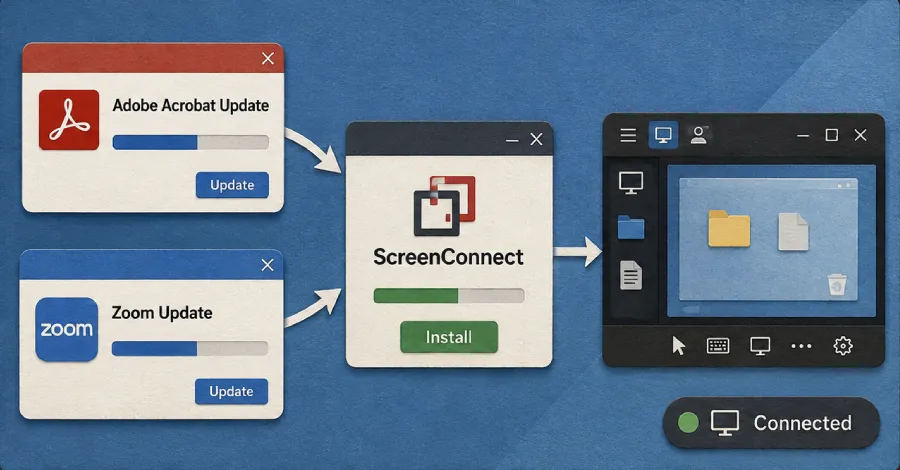
Understanding the Rise of Fake Software Updates in Cybersecurity Threats
Cybercriminals are increasingly using fake software updates to install persistent remote access tools like ScreenConnect, exposing organizations to significant risks. This article delves into the mechanics of these attacks and offers insights on how to safeguard your systems.
Related articles





Popular in Cybersecurity
- Federal Mandate for Autonomous Vehicles: A Call for Safety Compliance
- EU Mandates Google to Share Data and Open AI on Android: What It Means
- GitHub Revamps Bug Bounty Program: Implications for Developers and Security
- Australian Government Disables Thousands of Functional Broadband Routers: A Wasteful Decision
- Exploiting Redis: Understanding Zero-Day Vulnerabilities and Their Mitigation