The Fight Over the 39% TV Ownership Cap: DeLay vs. the FCC
Former House majority leader Tom DeLay asserts that the FCC lacks authority to repeal the 39% TV ownership cap, igniting a legal and political debate. This article explores the implications of this dispute for media ownership and regulation.
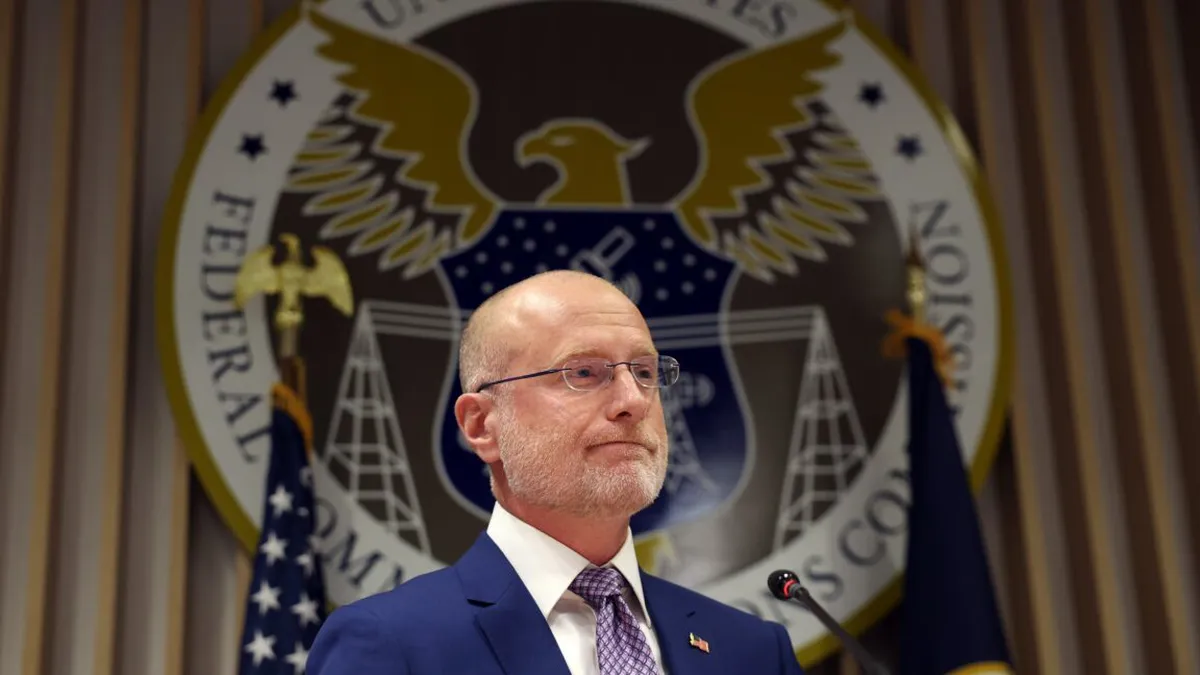
The ongoing debate over the Federal Communications Commission's (FCC) authority to repeal the National Television Ownership Rule has escalated into a significant political and legal battle. At the center of this controversy is Tom DeLay, the former House majority leader who played a pivotal role in establishing the 39% cap on TV ownership back in 2004. DeLay's claim that the FCC lacks the authority to alter this rule has sparked a wider discussion about regulatory power, media consolidation, and the future of broadcast ownership in the United States.
In a recent op-ed for The Daily Wire, DeLay emphatically argued that the 39% cap, which restricts any single broadcast station owner from reaching more than 39% of U.S. TV households, is a statutory limit set by Congress and cannot be modified by an administrative agency like the FCC. As the current FCC, led by Chairman Brendan Carr, prepares to vote on a proposal to eliminate this cap, the stakes are high for the future of media ownership and regulatory oversight.
Understanding the 39% Ownership Cap
The roots of the 39% TV ownership cap trace back to a series of regulatory shifts and legislative actions, which have shaped the landscape of media ownership over the past few decades. Originally implemented by the FCC in 1985, the ownership cap was designed to prevent any single entity from monopolizing the broadcasting space. Over time, as media mergers and acquisitions became more prevalent, Congress intervened to set the cap at its current level during the Telecommunications Act of 1996 and subsequent amendments in 2004.
These legislative actions reflected the concerns over media diversity and competition, as well as the potential for consolidated ownership to limit viewpoints and stifle local journalism. The cap was meant to ensure that no single company could dominate the airwaves, fostering a healthier, more competitive media environment. Yet, as technology and consumer behavior have evolved, the relevance of this cap has come under scrutiny.

DeLay’s Constitutional Argument
In his op-ed, DeLay stressed that the authority to change the ownership cap belongs solely to Congress, as it is explicitly stated in the law. He emphasized that regulatory bodies should not have the power to alter laws enacted by Congress, a sentiment that resonates with many who advocate for a clear separation of powers. DeLay’s experience in Congress lends weight to his argument, as he recounts the negotiations and compromises that led to the establishment of the 39% cap.
According to DeLay, the intent behind setting the cap was not merely arbitrary; it was a carefully considered decision made during a time of intense negotiations within Congress. He recalls that the cap of 39% was a compromise reached to prevent the FCC from unilaterally raising the cap to 45%. By codifying the 39% limit, Congress aimed to protect local broadcasters and maintain a diverse media landscape.
FCC’s Response and Legal Position
Despite DeLay's assertions, FCC Chairman Brendan Carr and his administration argue that the commission does have the authority to modify or repeal the cap. Carr's proposal suggests that Congress did not impose a fixed limit but instead directed the FCC to modify its rules regarding ownership limits. This interpretation has significant implications for the regulatory landscape, as it could set a precedent for further deregulation in the media sector.
The FCC's stance is bolstered by various court rulings that have historically granted regulatory agencies a degree of flexibility in interpreting congressional intent. Carr’s proposal aims to replace the blanket cap with a case-by-case review of each proposed merger, theoretically allowing for greater nuance and adaptability in evaluating media ownership.
- Historical Context: The 39% cap was established during a period of heightened concern about media consolidation, reflecting a bipartisan commitment to preserving diversity in media ownership.
- Regulatory Authority: The FCC argues it has the legal right to modify the cap based on its interpretation of congressional intent.
- Potential Impact: Eliminating the cap could lead to increased media consolidation, with significant implications for local journalism and diversity of viewpoints.
Legal Challenges Ahead
As the FCC moves forward with its proposal, legal challenges are expected. The agency will need to demonstrate that it possesses the explicit authority to eliminate the ownership cap without violating the law as established by Congress. Given recent Supreme Court rulings that have narrowed the interpretive leeway granted to federal agencies, Carr's administration may face an uphill battle in defending its position.
Furthermore, previous attempts by past FCC administrations to modify media ownership rules have frequently encountered legal obstacles, often resulting in lengthy court battles. The outcome of this situation could set a pivotal precedent for how media regulations are approached in the future, impacting not just the broadcasting sector but also broader discussions about data privacy and consumer protection.

What’s at Stake for the Future of Media
The potential repeal of the 39% cap raises significant concerns among advocates for media diversity and local journalism. A consolidation of ownership could lead to a decrease in the number of independent voices in the media, ultimately shaping public discourse and limiting the diversity of viewpoints available to consumers. In an era where misinformation and biased reporting are increasingly prevalent, the implications of media ownership structures cannot be understated.
Moreover, the landscape of media consumption is changing rapidly, with the rise of streaming services and digital platforms challenging traditional broadcasting models. As audiences shift towards on-demand content, the relevance of ownership caps may evolve, but the fundamental principles of media diversity and accountability remain crucial. Stakeholders in the media industry, including broadcasters, journalists, and policymakers, will need to navigate these changes carefully to ensure that the public interest is upheld.
Key Takeaways
- The 39% TV ownership cap was established to prevent media monopolization and promote diversity in broadcasting.
- Tom DeLay argues that only Congress has the authority to modify this cap, a position supported by previous legislative actions.
- The FCC claims it can repeal the cap, citing congressional intent and regulatory flexibility.
- Legal challenges are anticipated as the FCC seeks to defend its authority, potentially impacting future media regulations.
- The outcome of this dispute could significantly affect the landscape of media ownership, local journalism, and public discourse.
Frequently Asked Questions
What is the National Television Ownership Rule?
The National Television Ownership Rule is a regulation that limits the reach of any single broadcast station owner to no more than 39% of U.S. television households. This cap was created to foster competition and ensure diversity in media ownership, preventing monopolistic practices that could harm local journalism and the variety of viewpoints available to audiences.
Why is Tom DeLay opposing the FCC's proposal?
Tom DeLay is opposing the FCC's proposal to eliminate the 39% cap because he believes it defies the legislative intent of Congress. Having played a role in establishing the cap, DeLay argues that only Congress has the authority to change it, and that regulatory agencies like the FCC should not have the power to alter laws enacted by legislative bodies.
What could happen if the FCC repeals the ownership cap?
If the FCC successfully repeals the ownership cap, it could lead to increased media consolidation, allowing larger media conglomerates to acquire more local stations. This could diminish the diversity of voices in the media landscape, potentially leading to a homogenization of news coverage and reduced accountability among broadcasters.
How might the legal landscape change as a result of this debate?
The legal landscape regarding media ownership and regulation could shift significantly based on the outcomes of ongoing legal challenges to the FCC's authority. Depending on court rulings, the case could set important precedents for how federal agencies interpret and implement laws governing media ownership, impacting future regulatory approaches and ensuring that public interest considerations remain central to these discussions.
Comments
Understanding the Rise of Fake Software Updates in Cybersecurity Threats
Cybercriminals are increasingly using fake software updates to install persistent remote access tools like ScreenConnect, exposing organizations to significant risks. This article delves into the mechanics of these attacks and offers insights on how to safeguard your systems.

Related articles





Popular in Cybersecurity
- Federal Mandate for Autonomous Vehicles: A Call for Safety Compliance
- EU Mandates Google to Share Data and Open AI on Android: What It Means
- GitHub Revamps Bug Bounty Program: Implications for Developers and Security
- Australian Government Disables Thousands of Functional Broadband Routers: A Wasteful Decision
- Exploiting Redis: Understanding Zero-Day Vulnerabilities and Their Mitigation