Senators Push for Regulation of Wildfire Prediction Markets Amid Concerns
U.S. senators are urging the Commodity Futures Trading Commission to regulate prediction markets on wildfires, citing potential incentives for arson and community harm. Experts share their concerns about the implications of such markets.

In an alarming development that highlights the intersection of financial speculation and environmental disasters, several U.S. senators have raised serious concerns about the existence of prediction markets that allow individuals to bet on the occurrence and severity of wildfires. These concerns have resulted in a formal inquiry directed at the Commodity Futures Trading Commission (CFTC), demanding clarity on its plans to regulate such markets. The senators, representing states significantly impacted by wildfires—Oregon, California, Nevada, Minnesota, and New Hampshire—assert that these markets not only trivialize the suffering experienced by affected communities but could also inadvertently encourage criminal behavior.
The growing prevalence of online platforms that host prediction markets, where users can place bets on various outcomes, has sparked significant debate. Critics argue that offering financial incentives tied to natural disasters like wildfires could lead to dangerous behaviors, including arson. This issue is particularly pressing as the West Coast grapples with an ongoing wildfire crisis, with thousands of homes destroyed and entire communities forced to evacuate.
The Rise of Prediction Markets
Prediction markets are platforms where individuals can buy and sell contracts based on the likelihood of specific events occurring. Typically used for political outcomes or sporting events, the emergence of markets focused on environmental disasters represents a new and troubling frontier. For instance, Polymarket, one of the more prominent prediction market platforms, previously allowed bets on the likelihood of wildfires occurring in areas like Los Angeles. Although the company claims it does not currently host such markets, their existence raises ethical questions about profiting from human suffering.
What Are the Risks?
The letter from the senators highlights the potential for “perverse incentives” created by these prediction markets. Fire experts, including Michael Gollner from UC Berkeley's Fire Research Lab, warn that allowing people to speculate on the outcomes of wildfires could encourage individuals to engage in arson to manipulate contract outcomes favorably. This concern is not unfounded; with recent incidents of arson reported, including a suspect arrested in Spokane, Washington, the potential consequences of these betting markets could be severe.
Community Impact and Ethical Concerns
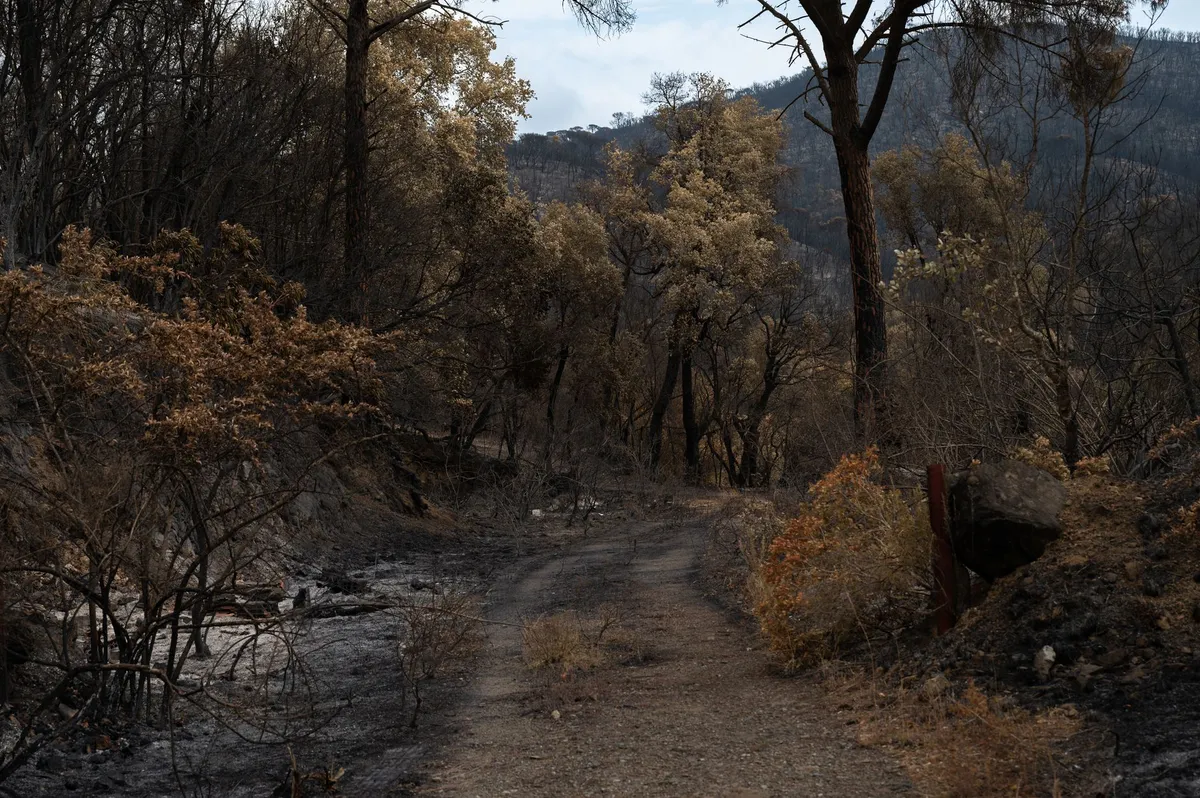
Wildfires are devastating events that lead to significant loss of property, wildlife, and even human lives. They also result in long-lasting emotional and psychological impacts on affected communities. The senators’ letter expresses a growing frustration among residents who have suffered due to wildfires and who are appalled that individuals can profit from such tragedies. Riva Duncan, president of Grassroots Wildland Firefighters, emphasized the ethical dimensions of this issue, stating that the idea of profiting from others' misfortunes is “beyond comprehension.”
Potential for Increased Arson
The potential for increased arson due to prediction markets is a particularly troubling aspect of this situation. In a chaotic environment where lives are at stake, the last thing communities need are people motivated by financial gain to exacerbate already dangerous conditions. Experts argue that, rather than monetizing disaster outcomes, efforts should be focused on investing in community resilience and disaster mitigation strategies to prevent wildfires from occurring in the first place.
Current Regulatory Landscape
The CFTC is tasked with regulating commodity and financial markets in the United States, and its involvement in prediction markets is crucial. Currently, there is a lack of comprehensive regulation governing these platforms, particularly concerning their ethical implications. The senators’ inquiry aims to push the CFTC to take a definitive stance on the legality and regulation of prediction markets related to natural disasters.
- Prediction markets have emerged as platforms for betting on various events, including wildfires.
- Senators express concern that these markets could incentivize arson and trivialize community suffering.
- Experts advocate for a focus on prevention and resilience rather than financial speculation on disasters.
- The CFTC's regulatory oversight is crucial in addressing the ethical implications of prediction markets.
Industry Responses and Future Outlook
Responses from the prediction market industry have varied. Kalshi, a competing platform, has publicly stated that it does not offer wildfire-related markets due to the inherent risks they pose. In contrast, Polymarket's approach has been more ambiguous, with representatives claiming that removing these markets would not prevent tragedies but rather limit access to information. This stance raises further questions about the responsibilities of such platforms in the face of potential consequences.
The Role of Information in Crisis Situations
Proponents of prediction markets argue that they can serve as a source of information during crises, providing real-time data to users. However, the ethical implications of this argument are complex. While information is indeed valuable during emergency situations, the potential for misinformation and the exploitation of vulnerable situations for profit cannot be overlooked. The balance between providing information and ensuring public safety remains a critical challenge.
Key Takeaways
- U.S. senators are calling for regulation of wildfire prediction markets due to ethical and safety concerns.
- Prediction markets could unintentionally incentivize arson, raising significant public safety issues.
- Experts advocate for a focus on wildfire prevention and community resilience instead of financial speculation.
- The CFTC's involvement is crucial in determining the future of these markets.
Frequently Asked Questions
What are prediction markets, and how do they work?
Prediction markets are platforms where individuals can place bets on the likelihood of specific events occurring. Participants buy and sell contracts based on their predictions, often generating real-time insights into public sentiment and potential outcomes. These markets can be used for various events, including political elections, sports, and even natural disasters.
Why are senators concerned about wildfire prediction markets?
Senators are concerned that prediction markets related to wildfires could trivialize the suffering of affected communities and create perverse incentives for individuals to commit arson. By allowing financial speculation on disasters, these markets may encourage harmful behaviors that jeopardize public safety.
What steps are being taken to regulate prediction markets?
The Commodity Futures Trading Commission (CFTC) is being urged to take a more active role in regulating prediction markets, particularly those related to natural disasters. The inquiry from the senators aims to prompt the CFTC to clarify its stance and implement necessary regulations to mitigate the risks associated with these markets.
How can communities prepare for wildfires?
Communities can adopt various strategies to prepare for wildfires, including establishing defensible space around properties, creating community evacuation plans, and investing in fire-resistant landscaping. Moreover, engaging in public education campaigns and advocating for local policies that support wildfire prevention and management are essential steps in enhancing community resilience to wildfire threats.
Comments
Understanding the Rise of Fake Software Updates in Cybersecurity Threats
Cybercriminals are increasingly using fake software updates to install persistent remote access tools like ScreenConnect, exposing organizations to significant risks. This article delves into the mechanics of these attacks and offers insights on how to safeguard your systems.

Related articles


Popular in Cybersecurity
- Federal Mandate for Autonomous Vehicles: A Call for Safety Compliance
- EU Mandates Google to Share Data and Open AI on Android: What It Means
- GitHub Revamps Bug Bounty Program: Implications for Developers and Security
- Australian Government Disables Thousands of Functional Broadband Routers: A Wasteful Decision
- Exploiting Redis: Understanding Zero-Day Vulnerabilities and Their Mitigation