Evolving Cyber Threats: The Rise of Real-Time Account Hijacking in Insurance Phishing
Insurance phishing is becoming increasingly sophisticated, evolving into real-time account hijacking. Here's how organizations can protect themselves against these emerging threats.
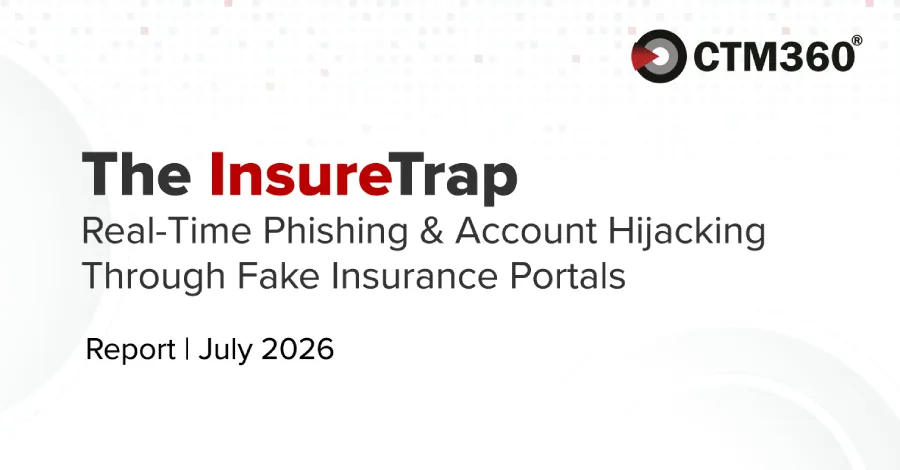
In the ever-evolving landscape of cybersecurity threats, insurance phishing schemes have reached new heights of sophistication, transforming into real-time account hijacking operations. With the rise of artificial intelligence (AI) tools that enhance the capabilities of cybercriminals, businesses, especially in the insurance sector, must remain vigilant. Understanding how these threats have evolved and implementing effective security measures can help safeguard sensitive information and protect against significant financial losses.
Recent research from CTM360 highlights the alarming trends in insurance phishing, showing that attackers are leveraging advanced techniques to gain immediate access to accounts. This article delves into the mechanisms behind these threats, the implications for businesses, and actionable steps organizations can take to bolster their defenses.
The Evolution of Insurance Phishing
Insurance phishing has transitioned from simple bait-and-switch tactics to more complex schemes that employ real-time account hijacking methods. Historically, phishing attacks involved fraudulent emails prompting recipients to click on malicious links or provide personal information. However, as technology has advanced, so too have the tactics employed by cybercriminals.
From Static Phishing to Dynamic Attacks
Today’s phishing attacks are characterized by their dynamic nature. Cybercriminals now use AI algorithms to analyze user behavior, creating tailored phishing campaigns that are increasingly convincing. This data-driven approach allows attackers to craft messages that appear legitimate, often mimicking trusted sources such as insurance companies or regulatory bodies. Once a user is lured into providing their credentials, attackers can hijack accounts in real-time, accessing sensitive data and potentially causing significant financial harm.
Why Real-Time Hijacking Matters
The implications of real-time account hijacking in the insurance sector are profound. With hundreds of billions of dollars at stake in insurance premiums and claims annually, the financial impact of such breaches can be devastating. Beyond the immediate financial loss, organizations face reputational damage, regulatory scrutiny, and legal repercussions.
Identifying the Stakeholders
Stakeholders affected by these threats include:
- Insurance companies that face increased operational costs due to fraud.
- Policyholders who may lose their personal information or face claims issues.
- Regulatory bodies that must enforce compliance and protect consumer interests.
- Third-party vendors who may be implicated in data breaches.

Securing Against Software Vulnerabilities
To combat the rising tide of phishing and account hijacking, organizations must prioritize their cybersecurity strategies. Here are five essential steps to secure against software vulnerabilities that have been exacerbated by the use of AI in cyberattacks.
1. Implement Multi-Factor Authentication (MFA)
MFA adds an additional layer of security beyond just a username and password. By requiring multiple forms of verification, organizations can significantly reduce the risk of unauthorized access.
2. Conduct Regular Security Audits
Regular security audits help organizations identify vulnerabilities in their systems. By proactively addressing these weaknesses, businesses can fortify their defenses before a breach occurs.
3. Educate Employees on Phishing Awareness
Employee training is crucial in combating phishing attacks. Regular workshops and simulated phishing exercises can enhance awareness and equip staff with the knowledge to recognize suspicious emails and links.
4. Utilize AI-Powered Security Solutions
Investing in AI-driven cybersecurity tools can help organizations detect and respond to threats more effectively. These tools can analyze patterns and behaviors, identifying anomalies that may indicate a phishing attempt.
5. Stay Informed About Emerging Threats
Keeping abreast of the latest trends in cybersecurity is essential. Subscribing to industry newsletters, attending conferences, and participating in information-sharing forums can provide valuable insights into evolving threats.

Key Takeaways
- Insurance phishing is evolving into more sophisticated real-time account hijacking attacks.
- Organizations must recognize the potential financial and reputational damage from these threats.
- Implementing multi-factor authentication and regular security audits are crucial defense strategies.
- Employee education on phishing awareness is key to reducing risk.
- Investing in AI-powered cybersecurity solutions can enhance threat detection and response.
Frequently Asked Questions
What is real-time account hijacking?
Real-time account hijacking is a sophisticated cyber threat where attackers gain immediate access to user accounts, typically after tricking individuals into providing their login credentials. This allows them to impersonate users, access sensitive data, and potentially execute fraudulent transactions.
How can businesses recognize phishing attempts?
Businesses can recognize phishing attempts by training employees to look for signs such as misspellings, generic greetings, and unexpected requests for sensitive information. Additionally, using email filtering tools can help identify and block potential phishing emails before they reach inboxes.
What role does AI play in cybersecurity?
AI plays a dual role in cybersecurity: it can both enhance defenses and empower attackers. On one hand, AI-driven security solutions can analyze large volumes of data to detect anomalies and potential threats. On the other hand, cybercriminals can use AI to create more convincing phishing campaigns that are tailored to specific individuals or organizations.
What steps should organizations take immediately to improve cybersecurity?
Organizations should prioritize implementing multi-factor authentication, conducting regular security audits, and educating employees about phishing risks. These steps create a robust foundation for a strong cybersecurity posture that can mitigate risks associated with evolving threats.
Comments
Protecting Your Business from Cl0p Ransomware Attacks: A Guide
The Cl0p ransomware group has recently targeted vulnerabilities in widely-used software, posing a significant threat to businesses. In this article, we delve into the implications of these vulnerabilities and how organizations can bolster their cybersecurity defenses.

Related articles

Popular in Cybersecurity
- Federal Mandate for Autonomous Vehicles: A Call for Safety Compliance
- EU Mandates Google to Share Data and Open AI on Android: What It Means
- GitHub Revamps Bug Bounty Program: Implications for Developers and Security
- Australian Government Disables Thousands of Functional Broadband Routers: A Wasteful Decision
- Exploiting Redis: Understanding Zero-Day Vulnerabilities and Their Mitigation