Navigating the Future of Data Centers: EPA Rule Changes and Community Impact
The Trump administration's proposed EPA rule changes could reshape the landscape for data centers and local communities across the U.S. By shifting permitting power to states, the new rules risk sidelining public input, raising questions about environmental oversight and community rights.
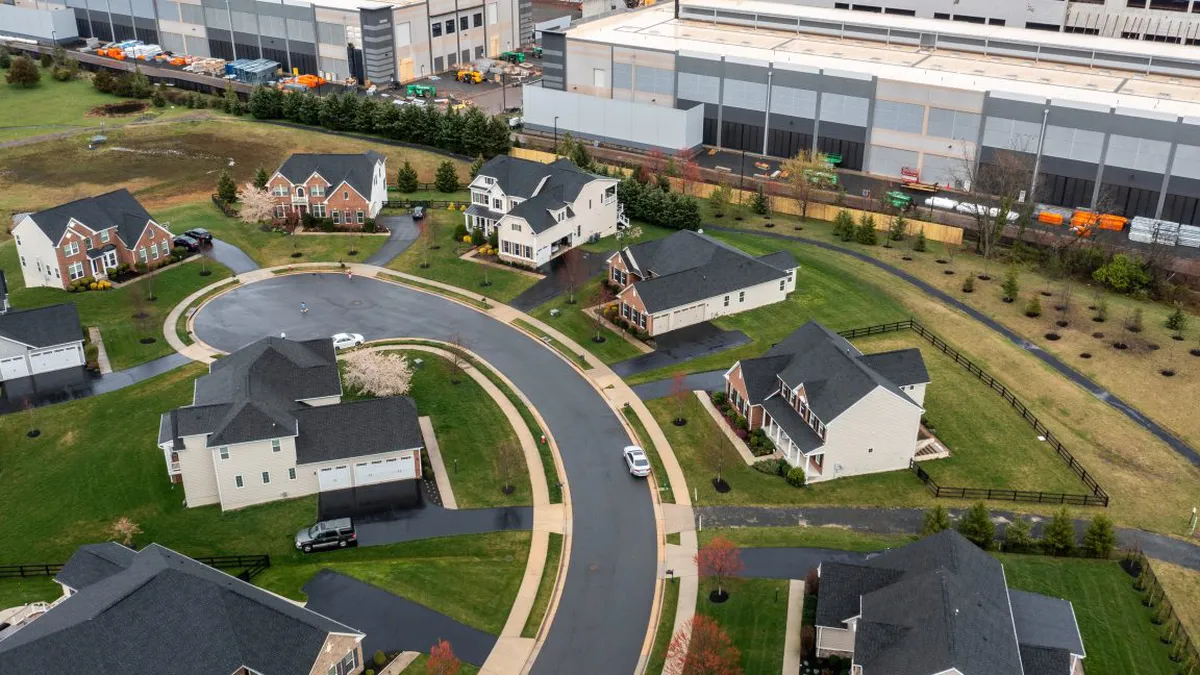
As the demand for data centers continues to surge, fueled by the rapid expansion of artificial intelligence (AI) technologies, the regulatory landscape surrounding their construction is undergoing significant changes. The Trump administration's Environmental Protection Agency (EPA) is contemplating a rule that would grant states the authority to determine the level of public participation in the permitting process for new air pollution sources, including the gas plants and diesel generators that power many data centers. This potential shift raises critical questions about environmental oversight, community engagement, and the future of data infrastructure in the United States.
The proposed rule could have profound implications for how data centers are built and how local communities are informed of their development. As companies like Amazon Web Services (AWS), Meta, and xAI ramp up their data center operations, communities are increasingly concerned about the environmental impact of these facilities. This is particularly relevant in states with robust public participation laws, where residents traditionally have a say in the approval process for new sources of air pollution. However, under the new rules, states could minimize or eliminate public input, potentially allowing new facilities to be constructed with little to no notice to nearby residents.
Understanding the Proposed Changes
The proposed rule change revolves around the Clean Air Act, which mandates that facilities emitting air pollutants must obtain permits. Depending on the scale of emissions, these facilities can be classified as either "major" or "minor" sources. Major sources undergo extensive review and require public hearings, while minor sources can be permitted with far less oversight. The EPA's proposed changes would empower state agencies to decide the extent of public participation for minor sources, which could include many data centers relying on gas and diesel to operate.
The Role of States in Permitting
Currently, the public's involvement in the permitting process for minor sources varies significantly from state to state. In some states, such as Georgia and Kentucky, laws mandate a more rigorous public notification process, allowing community members to voice concerns and participate in hearings. However, if the EPA finalizes this rule change, the responsibility to ensure public engagement would shift to state agencies, which may not prioritize public input.
The Impact on Communities
For residents living near proposed data centers, reduced public participation could lead to a lack of awareness about new developments that might impact their environment and health. Vanessa Lynch, an organizer with Moms Clean Air Force, emphasizes that communities want to be involved in decisions that affect their lives. The proposed rule could create a scenario where individuals are blindsided by the construction of polluting facilities in their neighborhoods.
Real-World Consequences
As the data center industry booms—spending on data center construction recently outpacing public transportation infrastructure—local communities are increasingly concerned about the environmental implications of these projects. In Texas, for example, the rapid expansion of private gas plants to support data centers has occurred with minimal public oversight, leaving residents unaware of the scale of fossil fuel infrastructure being established near their homes. This lack of transparency can lead to significant public health risks, as well as environmental degradation.
- Increased pollution: Data centers powered by fossil fuels contribute to air quality issues, which can affect respiratory health.
- Community engagement: The proposed rule change could limit opportunities for public input, reducing community involvement in environmental decision-making.
- Legal challenges: Advocacy groups may find themselves needing to engage in litigation to protect public interests in states with weaker notification processes.

Legal and Regulatory Landscape
The implications of these proposed rule changes extend beyond immediate community concerns; they touch on broader legal and regulatory principles as well. Keri Powell, an attorney with the Southern Environmental Law Center, notes that states with stronger public participation laws may face challenges in maintaining those standards if the EPA's federal requirements change. The potential for a patchwork of regulations across states could lead to confusion and inequity in how communities interact with the permitting process.
Variability Across States
States like Georgia and Kentucky have historically provided robust channels for public engagement, but there is no guarantee that these processes will remain intact if the EPA shifts its regulatory framework. In contrast, states with less stringent regulations, such as Texas, could see an increase in data center developments with minimal public awareness or input, exacerbating environmental and health risks for residents.
The Push for AI and Data Centers
Amid all of this, the Trump administration has been vocal about its commitment to making the U.S. a leader in AI technology. This ambition has translated into a concerted effort to streamline the development of data centers, which are essential for powering AI applications and services. The EPA’s proposed changes appear to align with this goal, as they seek to reduce regulatory bottlenecks that could hinder the rapid expansion of data infrastructure.
Industry Response
In response to increasing public opposition and regulatory hurdles, companies in the data center sector are advocating for these rule changes as a means to facilitate construction and meet growing demand. However, this push raises ethical questions about the balance between economic development and environmental stewardship, particularly when local communities are left out of the conversation.

Key Takeaways
- The EPA's proposed rule changes may drastically reduce public participation in the permitting process for new data centers.
- States would gain more authority to determine the level of public input, leading to potential disparities in community engagement across the U.S.
- Communities are concerned about the environmental impact of data centers, particularly when powered by fossil fuels.
- The push for AI and data center expansion is driving regulatory changes that could compromise environmental oversight.

Frequently Asked Questions
What is the Clean Air Act?
The Clean Air Act is a comprehensive federal law designed to regulate air emissions from stationary and mobile sources. It establishes a framework for setting national air quality standards, and it requires facilities that emit air pollutants to obtain permits. The Act categorizes sources as either major or minor based on their emissions levels, with major sources facing stricter regulatory requirements, including public hearings.
How might these rule changes impact public health?
Reducing public participation in the permitting process can lead to increased health risks for communities near data centers. Without proper oversight and input from residents, potential sources of air pollution may be constructed without adequate scrutiny, exacerbating issues related to air quality and public health, particularly in areas already burdened by pollution.
What can communities do to stay informed about data center developments?
Communities can advocate for stronger public participation laws at the state level and engage with local environmental groups. Staying connected with local government agencies and participating in public meetings can also help residents remain informed about proposed developments. Additionally, residents can leverage social media and community organizing to raise awareness and mobilize against developments that may pose environmental risks.
What is the future of data center regulation likely to look like?
The future of data center regulation will likely depend on the political landscape and the priorities of state and federal agencies. As the push for AI and data centers continues, regulatory frameworks may evolve to prioritize development over environmental concerns. However, community advocacy and legal challenges could play a significant role in shaping these regulations and ensuring that public interests are considered.
Comments
Protecting Your Business from Cl0p Ransomware Attacks: A Guide
The Cl0p ransomware group has recently targeted vulnerabilities in widely-used software, posing a significant threat to businesses. In this article, we delve into the implications of these vulnerabilities and how organizations can bolster their cybersecurity defenses.

Related articles



Popular in Cybersecurity
- Federal Mandate for Autonomous Vehicles: A Call for Safety Compliance
- EU Mandates Google to Share Data and Open AI on Android: What It Means
- GitHub Revamps Bug Bounty Program: Implications for Developers and Security
- Australian Government Disables Thousands of Functional Broadband Routers: A Wasteful Decision
- Exploiting Redis: Understanding Zero-Day Vulnerabilities and Their Mitigation