Addressing the Fastjson RCE Vulnerability: A Security Imperative
The Fastjson 1.x remote code execution vulnerability poses significant risks for organizations. This article explores its implications and offers steps to fortify defenses against such threats.
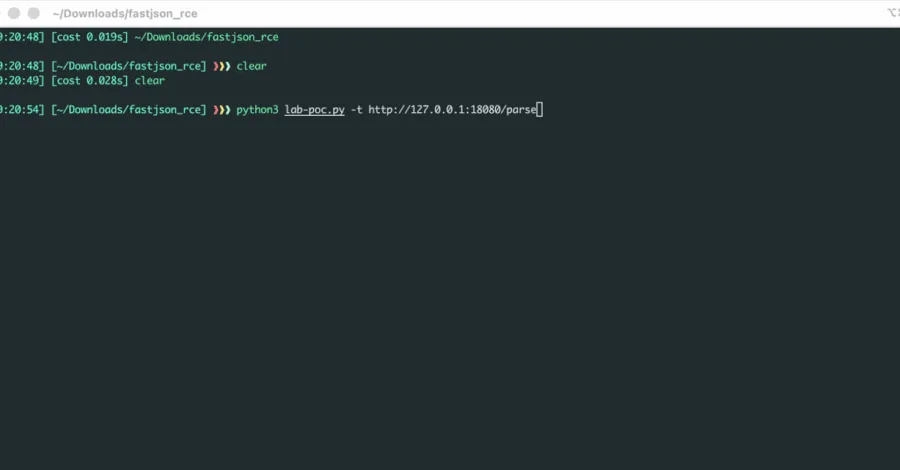
The cybersecurity landscape is evolving rapidly, and with it, the risks associated with software vulnerabilities are intensifying. One of the most alarming threats on the radar is the remote code execution (RCE) vulnerability found in Fastjson 1.x, a popular JSON parsing library used extensively in Java applications. As organizations increasingly rely on third-party libraries and components, understanding such vulnerabilities and their potential impact is crucial. This article delves into the nature of the Fastjson vulnerability, its exploitation in the wild, and actionable steps that businesses can take to mitigate the risks involved.
Understanding the Fastjson RCE Vulnerability
Fastjson, developed by Alibaba, is a widely used library that enables Java applications to parse JSON data. However, the identified RCE vulnerability allows attackers to execute arbitrary code on servers utilizing this library, leading to potentially devastating consequences. Attackers can leverage this flaw to gain unauthorized access to sensitive information, execute malicious payloads, or disrupt service operations.
This vulnerability is particularly concerning as it affects a broad range of applications across various industries, making it a prime target for cybercriminals. As of now, there is no official patch available for this vulnerability, which further exacerbates the risk for organizations still utilizing Fastjson 1.x in their software stacks.

Current Attack Landscape
Recent reports indicate that attackers are actively exploiting the Fastjson RCE vulnerability, underscoring the urgency for organizations to take immediate action. The lack of a patch means that organizations must rely on alternative strategies to safeguard their systems. The situation is further complicated by the increasing sophistication of cyberattacks, which often employ AI-driven techniques to discover and exploit vulnerabilities faster than ever before.
Organizations must remain vigilant and proactive in their approach to cybersecurity. Cybercriminals are continually refining their methods, utilizing advanced tools to exploit known vulnerabilities. This necessitates a comprehensive understanding of the threat landscape and the implementation of robust security measures.
Mitigating Risks Associated with Fastjson Vulnerability
Given the seriousness of the Fastjson RCE vulnerability, organizations must adopt a multi-faceted approach to mitigate risks. Here are some essential strategies:
- Conduct a Comprehensive Audit: Identify all instances of Fastjson 1.x in your application stack and evaluate their exposure to potential attacks.
- Implement Input Validation: Ensure that all user inputs are validated before processing to mitigate the risk of malicious payloads.
- Employ Application Firewalls: Utilize web application firewalls (WAFs) to detect and block potentially harmful requests targeting your applications.
- Monitor for Unusual Activity: Set up robust monitoring systems to detect irregular traffic patterns or unauthorized access attempts.
- Educate Your Team: Regularly train development and IT staff on secure coding practices and the importance of maintaining up-to-date libraries.

The Role of AI in Cybersecurity
Artificial intelligence is revolutionizing the field of cybersecurity, providing organizations with tools to detect vulnerabilities more efficiently and respond to threats in real-time. AI models can analyze vast amounts of data, identifying patterns and anomalies that might indicate a security breach. As AI continues to advance, its application in vulnerability detection will only become more prominent.
However, while AI can be a powerful ally in fighting cyber threats, it also poses challenges. Cybercriminals are increasingly leveraging AI to enhance their attack strategies, creating a cybersecurity arms race. Organizations must stay ahead by integrating AI-driven security solutions that can adapt to evolving threats.

Why It Matters to Your Organization
The implications of the Fastjson RCE vulnerability extend beyond immediate security concerns. Organizations that fail to address this vulnerability risk not only data breaches but also reputational damage and financial losses. A single successful exploit can lead to significant remediation costs, regulatory fines, and loss of customer trust.
Moreover, the current climate of increasing cyber threats necessitates a proactive stance. Cybersecurity is no longer just an IT issue; it is a business imperative. Stakeholders across the organization must prioritize security and allocate appropriate resources to safeguard their digital assets.
Key Takeaways
- The Fastjson 1.x RCE vulnerability poses a significant risk to organizations using this library.
- Active exploitation of this vulnerability highlights the urgency for immediate action.
- A multi-faceted approach, including audits, input validation, and education, is essential for mitigation.
- AI is transforming cybersecurity, but organizations must also guard against AI-driven attacks.
- Prioritizing cybersecurity is crucial for protecting organizational assets and maintaining customer trust.
Frequently Asked Questions
What is remote code execution (RCE)?
Remote code execution (RCE) is a type of security vulnerability that allows an attacker to execute arbitrary code on a remote server or system. This can lead to unauthorized access, data breaches, and the potential for complete system compromise. RCE vulnerabilities are particularly dangerous as they can be exploited without requiring physical access to the targeted system.
How can organizations identify if they are affected by the Fastjson vulnerability?
Organizations can start by conducting a comprehensive audit of their application stack to identify any instances of Fastjson 1.x. Additionally, reviewing software dependencies and utilizing vulnerability scanning tools can help detect if their systems are at risk. Regular monitoring and updates from vulnerability databases can also provide insights into potential exposure.
What steps should organizations take if they are affected by the Fastjson vulnerability?
If an organization identifies that they are using Fastjson 1.x, they should immediately evaluate the risks and implement mitigation strategies such as input validation, application firewalls, and active monitoring. Additionally, they should consider alternatives to Fastjson or explore updates that may provide a fix for the vulnerability as they become available.
How does AI enhance cybersecurity measures?
AI enhances cybersecurity measures by enabling organizations to analyze vast amounts of data for vulnerabilities and threats more efficiently. Machine learning algorithms can identify patterns in user behavior, detect anomalies, and automate responses to potential security incidents. This proactive approach allows organizations to respond to threats quickly and effectively, reducing the window of opportunity for attackers.
Comments
Protecting Your Business from Cl0p Ransomware Attacks: A Guide
The Cl0p ransomware group has recently targeted vulnerabilities in widely-used software, posing a significant threat to businesses. In this article, we delve into the implications of these vulnerabilities and how organizations can bolster their cybersecurity defenses.

Related articles




Popular in Cybersecurity
- Federal Mandate for Autonomous Vehicles: A Call for Safety Compliance
- EU Mandates Google to Share Data and Open AI on Android: What It Means
- GitHub Revamps Bug Bounty Program: Implications for Developers and Security
- Australian Government Disables Thousands of Functional Broadband Routers: A Wasteful Decision
- Exploiting Redis: Understanding Zero-Day Vulnerabilities and Their Mitigation