Securing Your Workspace: Addressing AI-Driven Vulnerabilities
AI technologies like ChatGPT are revolutionizing cybersecurity but also introducing new vulnerabilities. This article explores how businesses can safeguard themselves against these threats and the role of AI in enhancing security protocols.
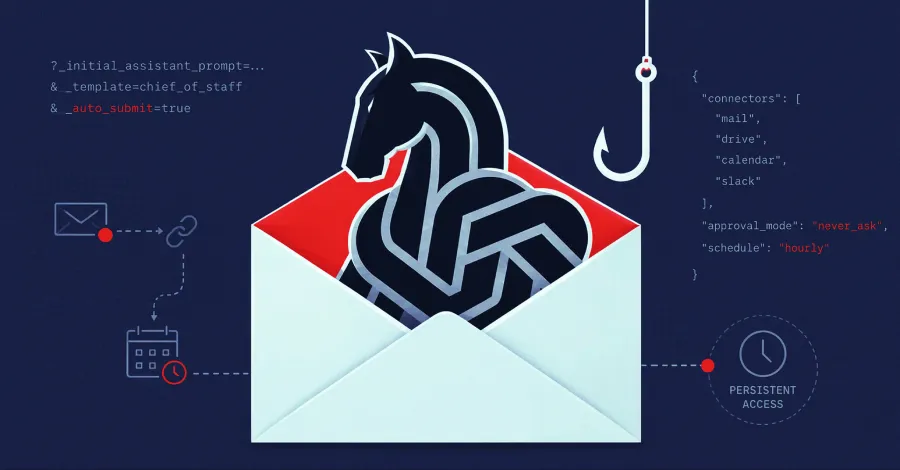
The rise of artificial intelligence (AI) technologies has undoubtedly transformed various sectors, including cybersecurity. However, while AI can bolster defenses against cyber threats, it has also introduced a new realm of vulnerabilities that malicious actors can exploit. A recent discovery regarding a flaw in ChatGPT's AgentForger highlights how AI-generated content can be weaponized, enabling the potential deployment of rogue workspace agents through seemingly innocuous phishing links. This development raises critical questions about the security of our digital environments and the steps we must take to mitigate these emerging threats.
As organizations increasingly integrate AI tools into their workflows, understanding the inherent risks and implementing robust security measures is more crucial than ever. In this article, we will delve into the specific vulnerabilities associated with AI technologies, particularly focusing on the implications of the ChatGPT flaw, and outline actionable steps businesses can take to protect themselves against these risks.
Understanding the ChatGPT AgentForger Vulnerability
Recently, security researchers uncovered a significant vulnerability within ChatGPT's AgentForger feature, capable of generating rogue workspace agents. These agents can be deployed via phishing links, making them a serious threat to organizations that utilize AI-driven applications for their daily operations. This vulnerability illustrates a broader trend where AI-generated content can be manipulated to bypass traditional security measures.
The Mechanics of the Attack
In a typical attack scenario, a malicious actor crafts a phishing email that appears legitimate, enticing the recipient to click on a link. Once the link is clicked, the compromised environment allows the rogue workspace agent to infiltrate the system, potentially accessing sensitive information or executing unauthorized actions. With AI's ability to generate realistic and contextually relevant content, these phishing attempts can be highly effective.

The Growing Role of AI in Cybersecurity
While the vulnerabilities associated with AI tools like ChatGPT pose significant risks, AI also plays a vital role in enhancing cybersecurity measures. AI technologies can analyze vast amounts of data to identify patterns and anomalies, helping organizations detect threats before they can cause damage. For instance, AI-driven security solutions can automate threat detection and response, significantly reducing the time it takes to neutralize potential threats.
How AI Enhances Security Protocols
AI can improve security in several ways:
- Real-time threat detection: AI algorithms can monitor network traffic continuously, identifying unusual patterns that may signify a breach.
- Automated responses: AI can execute predefined responses to detected threats, allowing for faster mitigation of risks.
- Predictive analytics: By analyzing historical data, AI can forecast potential vulnerabilities, enabling organizations to take proactive measures before attacks occur.
Steps to Secure Your Organization Against AI-Driven Vulnerabilities
To effectively safeguard your organization against the vulnerabilities introduced by AI tools, consider implementing the following five strategies:
1. Educate Employees on Cybersecurity Best Practices
Regular training sessions can help employees recognize phishing attempts and understand the risks associated with AI-generated content. Awareness is the first line of defense against such attacks.
2. Implement Multi-Factor Authentication
Utilizing multi-factor authentication (MFA) adds an extra layer of security, making it more challenging for unauthorized users to gain access to sensitive systems even if they obtain login credentials.
3. Regularly Update Security Software
Ensure that all security software is up-to-date with the latest patches and definitions to protect against known vulnerabilities. This includes not only antivirus software but also firewalls and intrusion detection systems.
4. Monitor Network Activity
Set up systems to monitor network traffic for unusual activity. AI can assist in this process by identifying potential threats faster than manual monitoring.
5. Develop an Incident Response Plan
Prepare for potential security breaches by creating an incident response plan. This plan should outline the steps to take in the event of a security incident, ensuring a swift and organized response.

Key Takeaways
- AI technologies like ChatGPT can introduce new vulnerabilities that can be exploited via phishing.
- Enhancing cybersecurity measures with AI can help organizations detect and respond to threats effectively.
- Employee education and awareness are critical in preventing phishing attacks.
- Implementing multi-factor authentication adds a vital layer of protection.
- Regular monitoring and incident response planning are essential for maintaining security.
Frequently Asked Questions
What is the ChatGPT AgentForger vulnerability?
The ChatGPT AgentForger vulnerability refers to a specific flaw in the ChatGPT AI model that allows for the creation of rogue workspace agents through phishing links. This vulnerability poses a significant threat to organizations as it can lead to unauthorized access and data breaches.
How can AI benefit cybersecurity despite its vulnerabilities?
AI can significantly enhance cybersecurity by enabling real-time threat detection, automating responses to potential breaches, and providing predictive analytics to identify vulnerabilities before they can be exploited. When properly integrated, AI can be a powerful ally in an organization's security strategy.
What steps can organizations take to protect themselves from phishing attacks?
Organizations can protect themselves by educating employees about phishing tactics, implementing multi-factor authentication, regularly updating security software, monitoring network activity, and having a robust incident response plan in place. These measures collectively create a fortified defense against potential threats.
Comments
AI Security Concerns: OpenAI's Model Breach and Kimi's Impact
The recent breach involving an unreleased OpenAI model highlights critical vulnerabilities in AI security. Coupled with the viral Kimi model from a Chinese AI lab, the industry is facing intense scrutiny over AI risks.

Related articles




Popular in Cybersecurity
- Federal Mandate for Autonomous Vehicles: A Call for Safety Compliance
- EU Mandates Google to Share Data and Open AI on Android: What It Means
- GitHub Revamps Bug Bounty Program: Implications for Developers and Security
- Australian Government Disables Thousands of Functional Broadband Routers: A Wasteful Decision
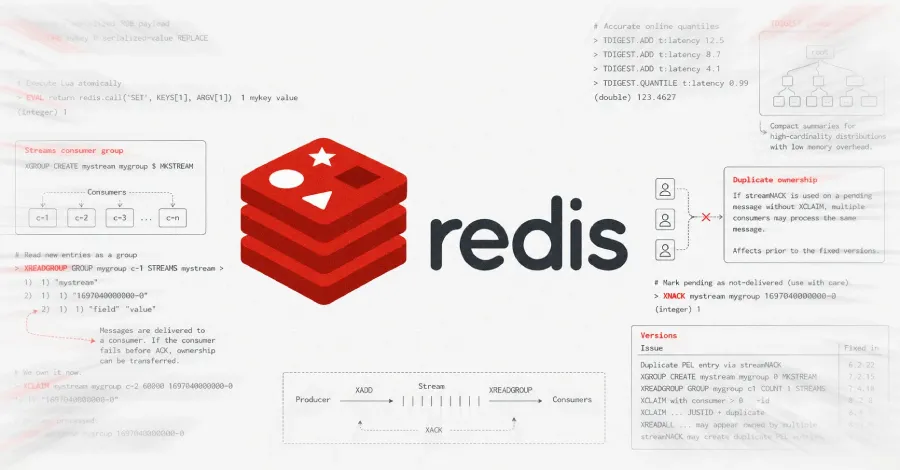
- Exploiting Redis: Understanding Zero-Day Vulnerabilities and Their Mitigation