Robot Snakes: Pioneering Search and Rescue in Venezuela's Earthquake Crisis
In the wake of devastating earthquakes in Venezuela, Carnegie Mellon University's snake robots have emerged as innovative tools for search and rescue operations, demonstrating the potential of robotics in disaster response.
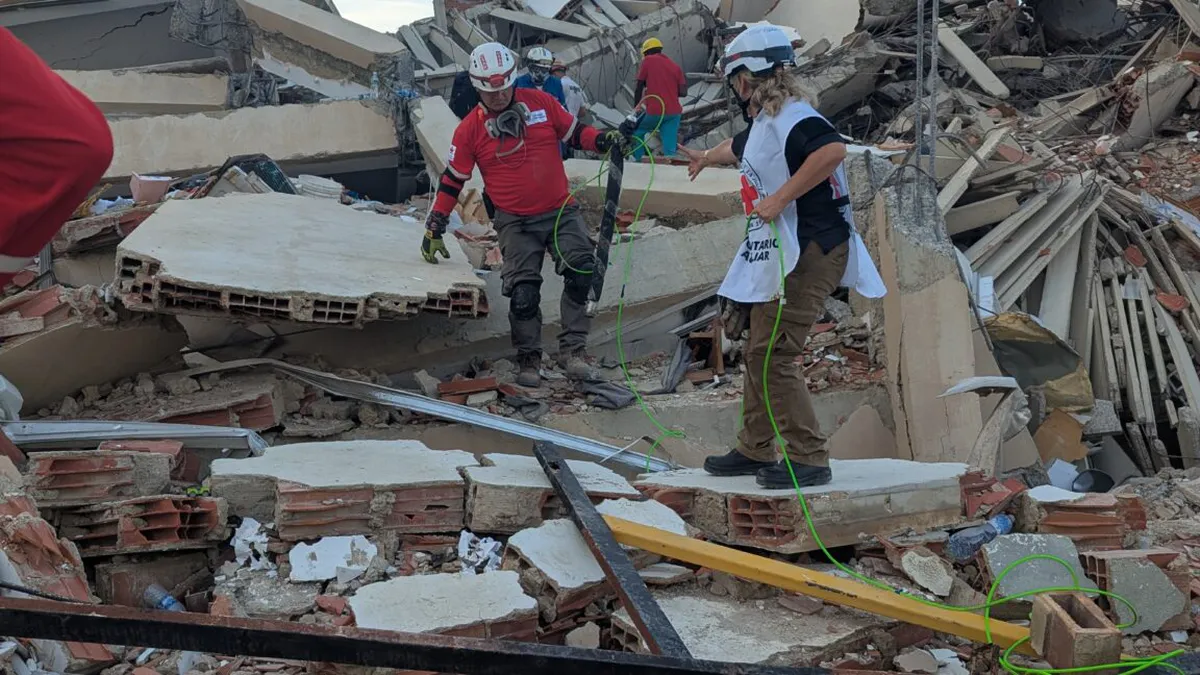
In late June 2026, Venezuela was struck by a catastrophic double earthquake that resulted in over 5,000 fatalities and left more than 16,000 injured. Amidst the chaos and devastation, traditional search and rescue methods struggled to adapt to the unique challenges posed by collapsed structures. However, a team of robotics researchers from Carnegie Mellon University (CMU) brought a remarkable tool to the forefront of these efforts: snake robots. These innovative machines, designed to navigate tight spaces and debris, showcased the potential of advanced robotics in humanitarian crises, offering a glimpse into the future of disaster response.
The use of snake-like robots in search and rescue operations is not just a novel idea; it represents a significant leap in how technology can assist human efforts in times of dire need. While conventional methods like trained dogs, thermal imaging cameras, and acoustic sensors are invaluable, they often fall short in scenarios where access is limited. The snakebots, with their unique ability to maneuver through narrow openings, provided a crucial advantage in the search for survivors buried beneath rubble.
The Role of Snake Robots in Disaster Response
Snake robots, developed by the Biorobotics Lab at CMU, are modular devices designed for flexibility and adaptability in various environments. Each robot is approximately four feet long and consists of individual segments that can be replaced or upgraded as needed. Operators control the robots using a video game controller, while sophisticated software algorithms enable autonomous movements, enhancing their efficiency in navigating challenging terrains.
A Unique Approach to Search and Rescue
During their deployment in Venezuela, the snakebots were equipped with video cameras that allowed search teams to visually assess areas that were otherwise inaccessible. Howie Choset, the head of the Biorobotics Lab, likened the operation to “minimally invasive surgery on a structure,” where the robots extended the visual reach of human rescuers while maintaining safety. This capability is especially critical in environments where the risk of further collapse is high, and rescuers must tread carefully.
The Journey to Venezuela
The initiative to deploy the snake robots was sparked by Beatriz Gonzalez, a Venezuelan in Atlanta, who sought to assist in the aftermath of the earthquakes. After engaging with an AI chatbot for suggestions, she discovered CMU's earlier search and rescue efforts in Mexico City and reached out to Choset's team. The researchers quickly mobilized, preparing their technology for urgent deployment.
On June 30, the team arrived in Venezuela, where they were greeted by U.S. Marines and handed over to the Venezuelan Red Cross. They immediately began collaborating with international rescue teams, including members from Jordan and Colombia, assessing various collapsed structures for potential survivors. Their presence not only highlighted the significance of robotics in emergency scenarios but also fostered a sense of global cooperation in humanitarian efforts.
Challenges and Triumphs in the Field
While the snakebots were instrumental in exploring debris, the search for survivors proved challenging. In one instance, a Jordanian rescue dog team concluded that a particular site had no survivors, yet infrared technology from Colombian rescuers suggested otherwise. The CMU team deployed a snakebot through a small opening, hoping to locate a missing child whose father anxiously awaited news. Despite the robot's efforts, no survivors were found, but the father expressed gratitude for the attempts made by the team.
The Broader Impact of Robotics in Humanitarian Crises
The situation in Venezuela is dire, with the United Nations estimating that nearly 1.3 million people require urgent assistance, prompting requests for nearly $300 million in aid. The World Bank has assessed the structural damage at a staggering $19.6 billion. Amidst this backdrop, the deployment of snake robots raises important discussions about the role of technology in disaster response, especially as nations grapple with the implications of climate change and natural disasters.
The potential for snake robots and similar technologies extends beyond immediate disaster response. As Choset noted, the team has been working on improvements to enhance the capabilities of these robots. For instance, integrating light-based sensors could facilitate 3D mapping of environments, providing operators with a clearer understanding of the areas they are navigating. Such advancements could dramatically improve the efficiency and effectiveness of search and rescue missions in the future.

Lessons Learned and Future Directions
While the CMU team returned to the U.S. without directly rescuing anyone, their involvement contributed to a wider effort that saw nearly 6,500 individuals saved by international teams. The emotional weight of their mission resonated deeply with Choset, who shared a poignant moment with the family of a security guard who was trapped for eight days yet was ultimately rescued. This personal connection underscores the human element of robotics in crisis situations.
In reflecting on their experience, the team compiled a comprehensive list of lessons learned, including logistics and preparedness for future deployments. As they continue to refine their snake robots, the focus will be on creating robust systems that can operate reliably under the stresses of real-world disaster scenarios.
Key Takeaways
- Snake robots are designed for tight spaces, making them ideal for search and rescue missions in collapsed buildings.
- Carnegie Mellon University's robotic technology is a result of nearly two decades of research and development.
- The deployment of snake robots in Venezuela highlighted the importance of international collaboration in disaster response.
- Future improvements to snake robots may include enhanced sensing capabilities for better navigation and mapping.
- The emotional and human aspects of rescue operations are as critical as the technology involved.
Frequently Asked Questions
What are snake robots and how do they work?
Snake robots are modular robotic systems that resemble the movements of a snake, allowing them to navigate through narrow spaces and challenging environments. They are controlled by human operators using a video game-like interface, while software algorithms help coordinate their movements autonomously. This makes them valuable tools in search and rescue operations, especially in situations where access is limited due to debris or structural collapse.
How effective were the snake robots in the Venezuelan earthquake response?
While the snake robots did not directly locate any survivors during their deployment in Venezuela, they played a crucial role in extending the visual reach of search teams. Their ability to navigate tight spaces allowed rescuers to gather information that would have otherwise been inaccessible, contributing to the broader efforts that resulted in thousands of rescues by international teams.
What improvements are being considered for future snake robot deployments?
The Carnegie Mellon team is focused on enhancing the capabilities of snake robots by integrating advanced sensors that can perform 3D mapping of their environments. Such improvements would provide operators with better situational awareness and improve the robots' effectiveness in complex and hazardous scenarios, ultimately increasing the chances of locating survivors in future disasters.
What is the broader significance of using robotics in disaster response?
The use of robotics in disaster response represents a transformative shift in how humanitarian aid can be delivered. As natural disasters become more frequent and severe due to climate change, the integration of advanced technology like snake robots can enhance the efficiency and effectiveness of rescue operations, potentially saving lives and improving recovery efforts in the wake of such crises.
Comments
AI Security Concerns: OpenAI's Model Breach and Kimi's Impact
The recent breach involving an unreleased OpenAI model highlights critical vulnerabilities in AI security. Coupled with the viral Kimi model from a Chinese AI lab, the industry is facing intense scrutiny over AI risks.

Related articles






Popular in Cybersecurity
- Federal Mandate for Autonomous Vehicles: A Call for Safety Compliance
- EU Mandates Google to Share Data and Open AI on Android: What It Means
- GitHub Revamps Bug Bounty Program: Implications for Developers and Security
- Australian Government Disables Thousands of Functional Broadband Routers: A Wasteful Decision
- Exploiting Redis: Understanding Zero-Day Vulnerabilities and Their Mitigation