Unveiling Orca Behavior: The Art of Ramming Sunfish
Recent observations reveal a surprising new hunting technique among orcas in the Gulf of California. This behavior may serve as both a feeding strategy and a playful interaction among these intelligent marine mammals. Discover the implications of this fascinating orca behavior.
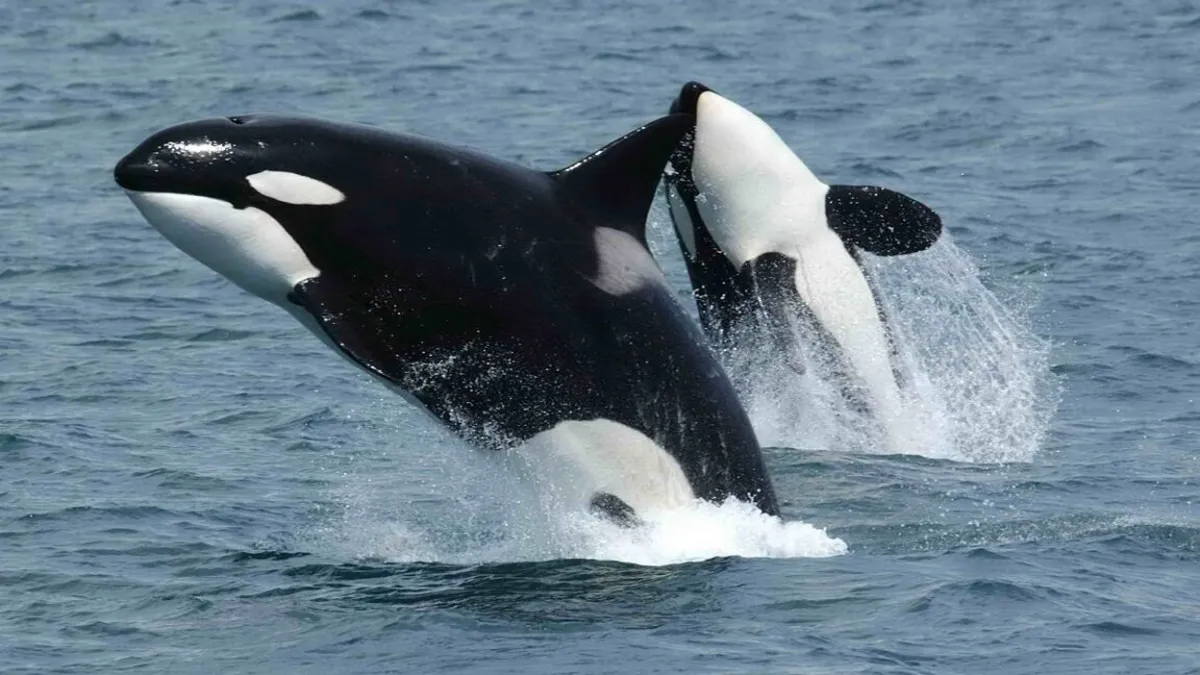
In the vast expanse of the Gulf of California, the ocean is alive with the intricate dance of predator and prey. Among the most formidable hunters of the sea are orcas, or killer whales, known for their intelligence and sophisticated hunting strategies. Recent observations have unveiled a shocking new technique: orcas are ramming sunfish with such force that the prey explodes into fragments. This behavior raises intriguing questions about the social and ecological implications of orca feeding practices and their cognitive abilities.
The phenomenon was first documented in July 2024 near San Jose del Cabo, Mexico, where a group of orcas was filmed engaging in this striking behavior. A subsequent event in September 2025 further confirmed the trend, sparking interest among marine biologists and animal behaviorists alike. As researchers delve deeper into the motivations behind this ramming technique, they are uncovering layers of complexity in orca social dynamics and hunting strategies.
The Art of Cooperative Hunting
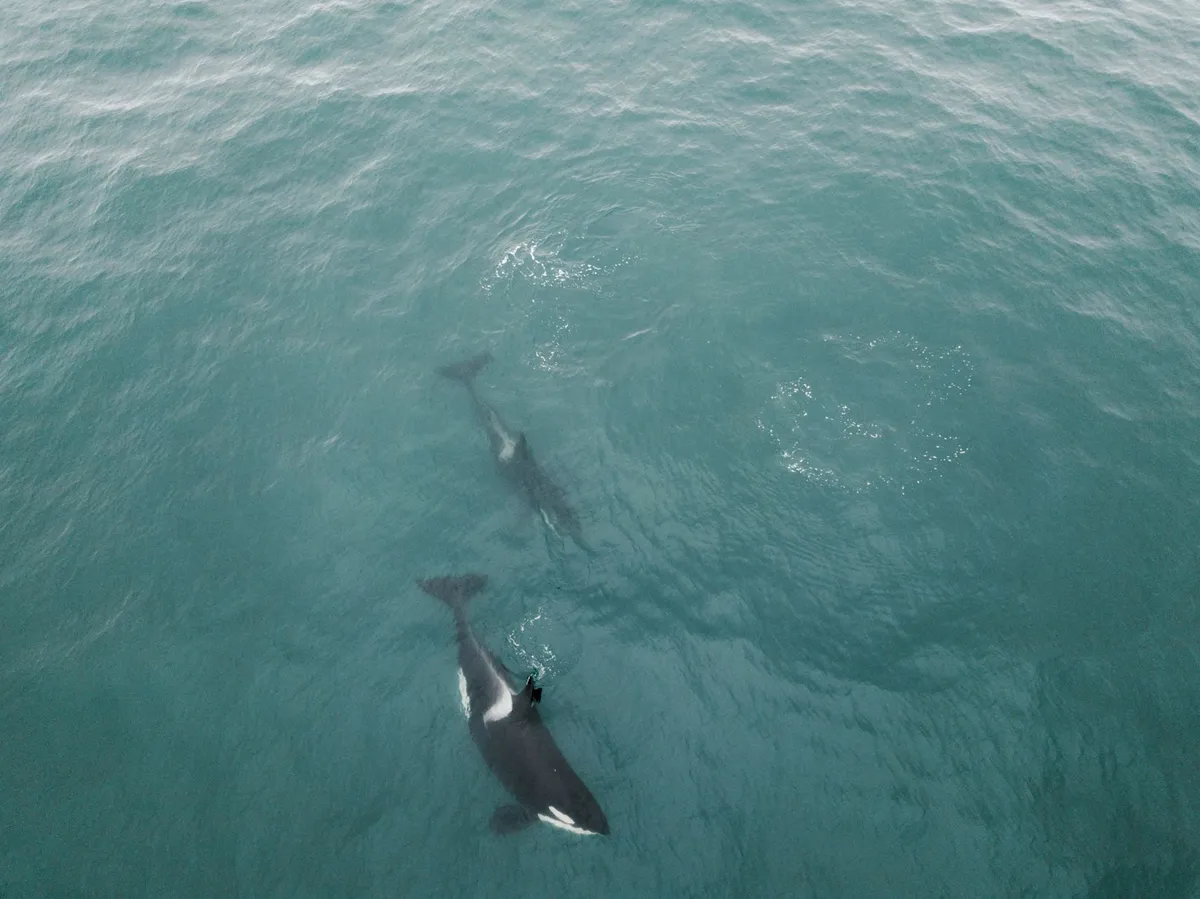
Orcas are renowned for their cooperative hunting techniques, which often involve intricate social interactions. These intelligent marine mammals employ various strategies tailored to the type of prey they target. In the case of sunfish, the orcas have demonstrated an evolution in their hunting methods, introducing the “ram-to-fragment” technique.
Understanding the Ramming Technique
The ramming behavior is characterized by an orca charging at a sunfish carcass with significant force, causing it to shatter into smaller pieces. This is not merely a random act of aggression; it reflects a calculated approach that may serve multiple purposes:
- Facilitating Feeding: By fragmenting the sunfish, orcas can make the remaining tissue more accessible, especially for younger orcas still honing their hunting skills.
- Social Interaction: The behavior may also be a form of play, showcasing the orcas' playful nature as they engage in cooperative interactions.
- Parental Investment: Adult orcas may be teaching juveniles effective feeding strategies, reinforcing social bonds within the pod.
Documented Incidents of Ramming Behavior
The first well-documented instance of this ramming behavior occurred when three adult female orcas, one male, and a juvenile were observed targeting a spine-tail devil ray. Shortly after this hunt, one adult female was filmed holding a sunfish carcass in her mouth. The male orca charged at the carcass, leading to a dramatic explosion of flesh and skin as it impacted the water.
In the second documented incident, filmed in September 2025, an adult orca held a sunfish while another orca rammed it, resulting in a similar dispersal of fragments. This time, the feeding frenzy that followed involved not just the adults but also the juvenile, indicating a possible learning experience for younger orcas.
Ecological and Behavioral Implications
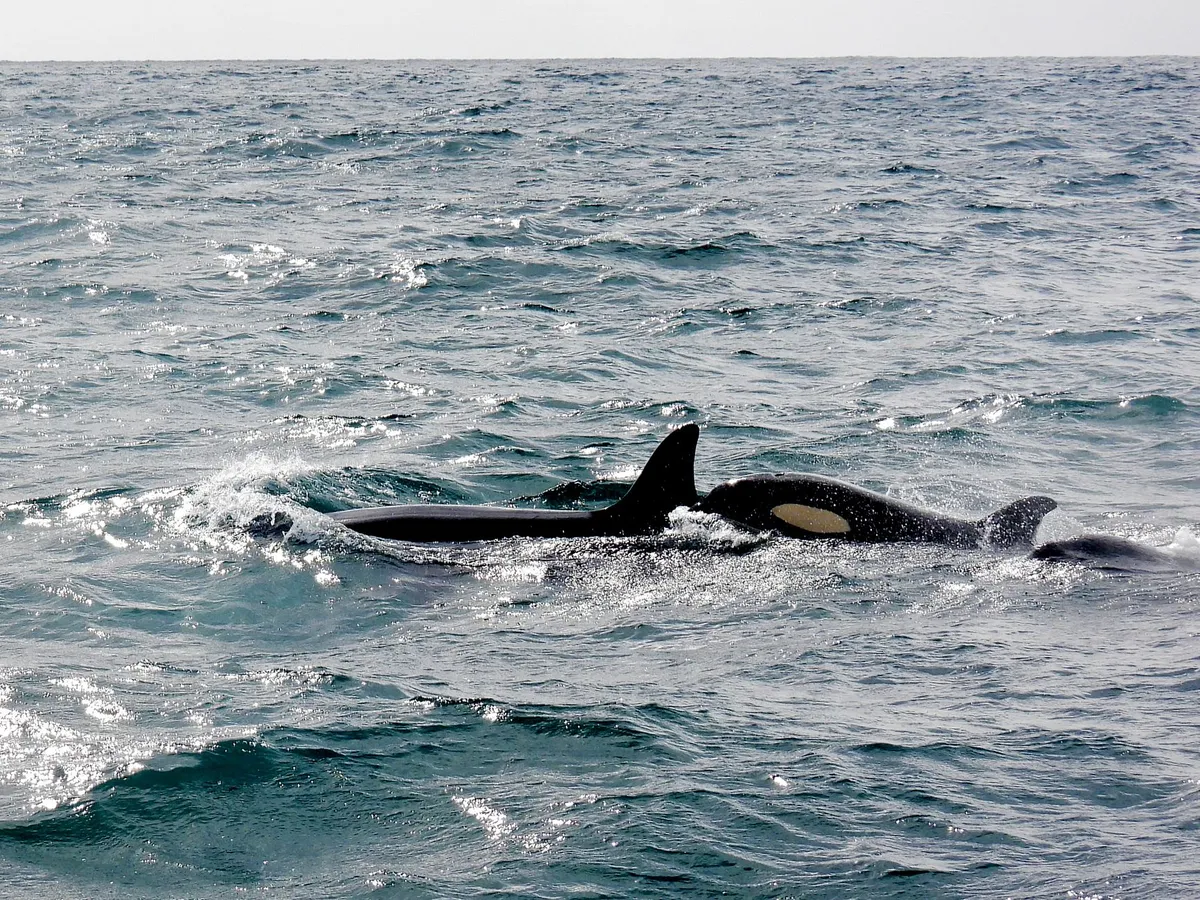
The implications of this behavior extend beyond just the orcas themselves. Understanding the motivations for such ramming techniques can shed light on the ecological roles orcas play in their environments. By fragmenting sunfish, orcas may inadvertently alter local food webs, affecting the dynamics between various marine species.
Species-Specific Responses
Interestingly, the capacity for sunfish to withstand such high-impact ramming appears to be species-specific. The unique structural characteristics of sunfish, particularly their rudder-like tails, may make them more vulnerable to this type of predation, which is less common in other fish species.
Orcas and Their Social Learning
One of the most compelling aspects of orca behavior is their capacity for social learning. Researchers have long been fascinated by how these marine mammals pass down knowledge through generations. The ramming technique observed could very well be a learned behavior, passed from older, experienced orcas to their younger counterparts.
Play as a Learning Tool
Play is a critical component of learning for many animal species, and orcas are no exception. Their playful interactions with prey may serve as a method for honing their hunting skills. The potential for ramming sunfish to be both a playful act and a practical feeding strategy underscores the complexity of orca behavior.

Research and Conservation Efforts
As scientists continue to study orca behavior, the importance of careful observation cannot be overstated. Collecting identification photographs and documenting new hunting techniques are vital for understanding how orcas adapt their strategies in response to environmental pressures. Conservation efforts must also consider the implications of these behaviors, as preserving orca populations is essential for maintaining the health of marine ecosystems.
The Role of Tourism and Observation
Ecotourism and responsible wildlife observation can play a key role in supporting conservation efforts. By providing funding for research and raising awareness about the challenges orcas face, tourism operators can help ensure that these magnificent creatures continue to thrive in their natural habitats.
Key Takeaways
- The newly observed “ram-to-fragment” behavior among orcas reflects complex social interactions and advanced hunting techniques.
- This behavior may serve both as a feeding strategy and a playful interaction, highlighting orcas' intelligence.
- Understanding these behaviors can inform conservation efforts and enhance our knowledge of marine ecosystems.
- Responsible tourism can support research and conservation initiatives to protect orca populations.
Frequently Asked Questions
What is the significance of the orca ramming behavior?
The ramming behavior among orcas is significant as it demonstrates their advanced hunting strategies and social learning capabilities. This behavior can facilitate feeding for younger orcas and may also serve as a form of play, showcasing the intelligence and social dynamics within orca pods.
How does this behavior impact marine ecosystems?
By fragmenting sunfish, orcas may inadvertently alter local food webs, affecting the interactions between various marine species. Understanding these dynamics is crucial for conservationists as they work to protect marine ecosystems and the species that inhabit them.
Can orcas learn new hunting techniques?
Yes, orcas are known for their ability to learn new behaviors and hunting techniques from one another. The ramming behavior observed may be a learned skill passed down through generations, highlighting the importance of social learning in orca communities.
What role does ecotourism play in orca conservation?
Ecotourism can play a significant role in orca conservation by providing funding for research initiatives and raising awareness about the challenges these animals face. Responsible tourism practices can help protect orca habitats while supporting local communities.
Comments
How to Protect Your Data from Emerging Cybersecurity Threats
Recent vulnerabilities in widely-used software like Adobe Acrobat have highlighted the urgent need for robust cybersecurity measures. This article explores how organizations can safeguard against these threats and outlines practical steps to enhance security.

Related articles





Popular in Cybersecurity
- Federal Mandate for Autonomous Vehicles: A Call for Safety Compliance
- EU Mandates Google to Share Data and Open AI on Android: What It Means
- GitHub Revamps Bug Bounty Program: Implications for Developers and Security
- Australian Government Disables Thousands of Functional Broadband Routers: A Wasteful Decision
- Exploiting Redis: Understanding Zero-Day Vulnerabilities and Their Mitigation