The Limits of AI: US Army's Token Crisis Reveals Challenges Ahead
A recent incident involving the U.S. Army's use of AI tokens has exposed the challenges and limitations of integrating generative AI into military operations. What does this mean for the future of AI in the defense sector?

The rapid adoption of artificial intelligence in various sectors, including the defense industry, has been a focal point for modernization efforts. However, a recent incident involving the U.S. Army's Combat Capabilities Development Command (DEVCOM) has thrown a spotlight on the limitations and challenges of utilizing AI technologies. Despite initial assurances of unlimited access to AI tokens, troops learned that their resources were depleting much faster than anticipated, leading to a reevaluation of usage policies. This unexpected token shortage raises critical questions about the sustainability and practical application of generative AI tools in military settings.
In May 2026, the Army’s Chief Information Officer (CIO) announced that nearly half of the Department of Defense's (DOD) 3.5 million employees were leveraging AI in their daily tasks. Yet, just a month later, DEVCOM personnel received an email alerting them to a significant depletion of AI tokens, urging users to limit their consumption. The irony is palpable: a promise of unlimited tokens quickly turned into a crisis, necessitating the re-establishment of usage limits.
The AI Token Economy Explained
Understanding the mechanics of AI tokens is vital for grasping the implications of this situation. In essence, tokens serve as a currency for AI use, enabling users to generate output from various large language models (LLMs). For instance, a single token corresponds to approximately 3.7 characters of text or image output. The Army's primary platform for AI operations, Ask Sage, utilized an annual subscription model that granted access to a staggering 100 million tokens, intended to support a wide array of tasks ranging from personnel management to mission planning.
However, the token economy is not as straightforward as it seems. The Army initially allocated at least 200,000 tokens per month to its employees, with automatic replenishments for those who exceeded this limit. Yet, as one anonymous Army employee revealed, the sheer volume of tokens consumed (reportedly around 20 billion tokens per day during specific operations) far outpaced the Army's original estimates of usage, creating a need for urgent policy revisions.

The Implications of Rapid AI Adoption
The implications of the Army's token crisis extend beyond mere logistics; they underscore the challenges of integrating generative AI into existing bureaucratic frameworks. While the DOD has been enthusiastic in promoting AI tools for operational efficiency, the reality is that many employees are finding these technologies unreliable and often unhelpful. One Army employee remarked that despite the push to embrace AI, these tools have not significantly enhanced their work processes and, in some cases, have even generated misinformation.
Key challenges include:- Unpredictable resource consumption: The Army's initial assumptions about token usage proved to be vastly underestimated.
- Reliability concerns: Employees reported inconsistencies in AI outputs, leading to mistrust in the technology.
- Bureaucratic inertia: The integration of AI tools into existing systems often clashes with established workflows, hindering efficiency.
Comparative Analysis: Other Organizations Facing Similar Issues
The U.S. Army is not the only organization grappling with the challenges of generative AI adoption. Other tech giants like Meta and Uber have also faced similar hurdles. Meta, for instance, initially encouraged employees to maximize their token usage but later retracted this enthusiasm as consumption surged beyond expectations. Adam Mosseri, head of Instagram, even floated the idea of capping usage per engineer to manage resource allocation more effectively.
Uber, too, witnessed its engineers depleting a year's worth of AI tokens in a mere four months, prompting a reconsideration of how AI resources are allocated and utilized. These instances reflect a broader trend: organizations across various sectors are rushing to implement AI without fully understanding the implications of token economics and resource management.

Future Directions for AI in the Military
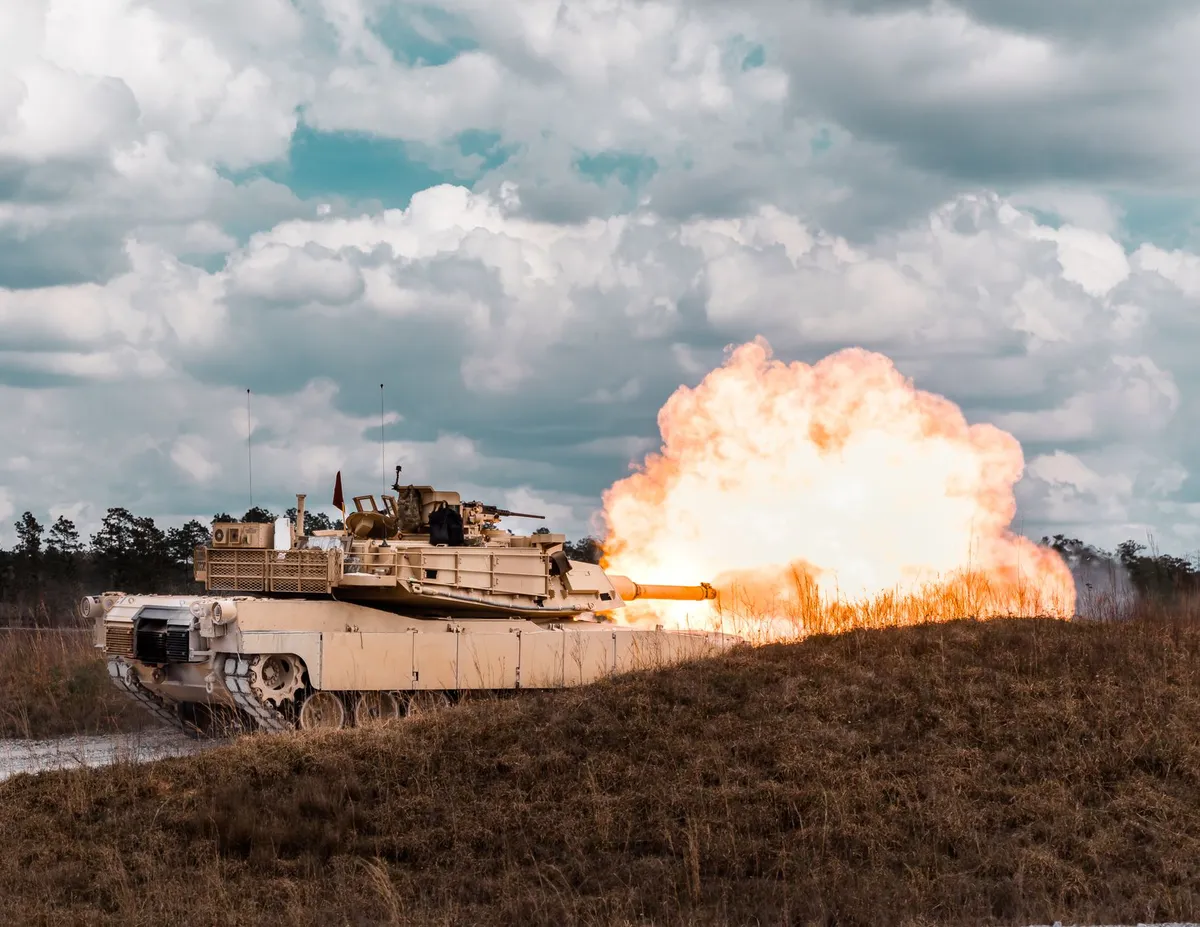
Despite the challenges highlighted by the Army's token crisis, the DOD remains committed to advancing AI capabilities. Reports indicate that the Pentagon is not only continuing to develop AI tools but also reallocating resources within its ranks, such as reducing staff in the Civilian Protection Center of Excellence. This strategic shift aims to enhance efficiency in assessments traditionally carried out by human staff, thereby accelerating decision-making processes in military operations.
However, this commitment raises further questions about the balance between automation and human oversight. As AI systems become more integral to military decision-making, ensuring their reliability and effectiveness will be paramount. The implications of misinformed AI outputs could have dire consequences in high-stakes scenarios, emphasizing the need for thorough testing and validation before full-scale deployment.
Key Takeaways
- The U.S. Army has faced a token shortage due to rapid AI adoption, prompting policy revisions.
- Tokens serve as a currency for AI use, with significant implications for resource management.
- Reliability of AI tools remains a concern, affecting trust among users.
- Other organizations have also encountered similar challenges, highlighting a broader trend in AI adoption.
- The DOD continues to prioritize AI development, raising questions about the balance between automation and human oversight.
Frequently Asked Questions
What are AI tokens and how do they work?
AI tokens are units of measurement that represent the output generated by artificial intelligence systems, particularly large language models (LLMs). In practical terms, one token corresponds to about 3.7 characters of text or image output. Organizations typically purchase tokens as part of a subscription model, which allows employees to access AI tools for various tasks. The effective management of these tokens is critical to ensure that resources are not depleted too quickly.
Why did the U.S. Army experience a token shortage?
The Army's token shortage stemmed from an overwhelming adoption of AI tools, which led to consumption rates that far exceeded initial projections. Despite the promise of unlimited token usage, the actual demand for AI outputs during operations was significantly higher than anticipated, prompting a reevaluation and eventual restriction of token usage among employees.
What are the implications of AI integration in the military?
Integrating AI into military operations has the potential to enhance efficiency and decision-making. However, challenges such as resource management, reliability of AI outputs, and the clash between AI tools and existing bureaucratic frameworks must be addressed. The U.S. Army's recent experience underscores the importance of approaching AI adoption thoughtfully to avoid pitfalls and ensure that technology effectively supports military objectives.
Can the U.S. Army improve its use of AI tools in the future?
Yes, the U.S. Army can enhance its use of AI tools by implementing better resource management strategies, ensuring thorough testing of AI outputs, and balancing automation with human oversight. By learning from the recent token shortage and other organizations' experiences, the Army can develop a more sustainable and effective approach to AI integration that maximizes benefits while minimizing risks.
Comments
How to Protect Your Data from Emerging Cybersecurity Threats
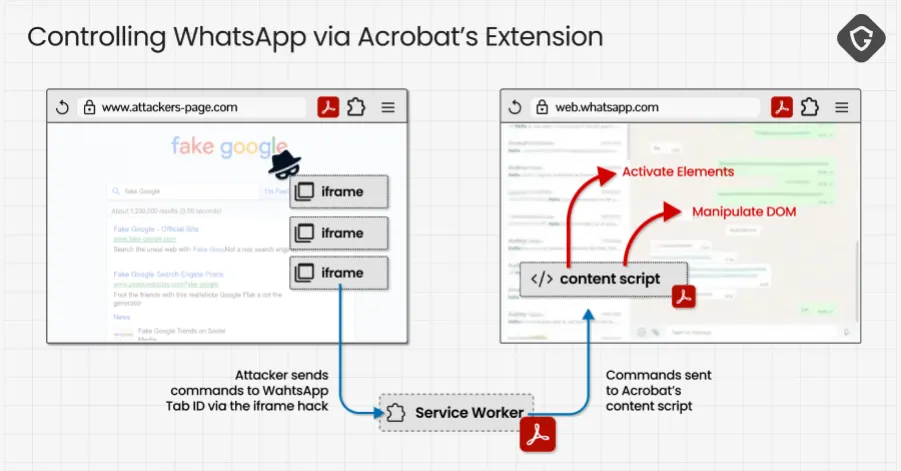
Recent vulnerabilities in widely-used software like Adobe Acrobat have highlighted the urgent need for robust cybersecurity measures. This article explores how organizations can safeguard against these threats and outlines practical steps to enhance security.
Related articles




Popular in Cybersecurity
- Federal Mandate for Autonomous Vehicles: A Call for Safety Compliance
- EU Mandates Google to Share Data and Open AI on Android: What It Means
- GitHub Revamps Bug Bounty Program: Implications for Developers and Security
- Australian Government Disables Thousands of Functional Broadband Routers: A Wasteful Decision
- Exploiting Redis: Understanding Zero-Day Vulnerabilities and Their Mitigation