Hyundai's Humanoid Robots: A New Chapter in Labor Relations?
Hyundai's plan to deploy Atlas humanoid robots in U.S. factories has sparked a complex dialogue around labor rights and automation. As workers strike for better conditions, the implications of this technology stretch far beyond the factory floor.
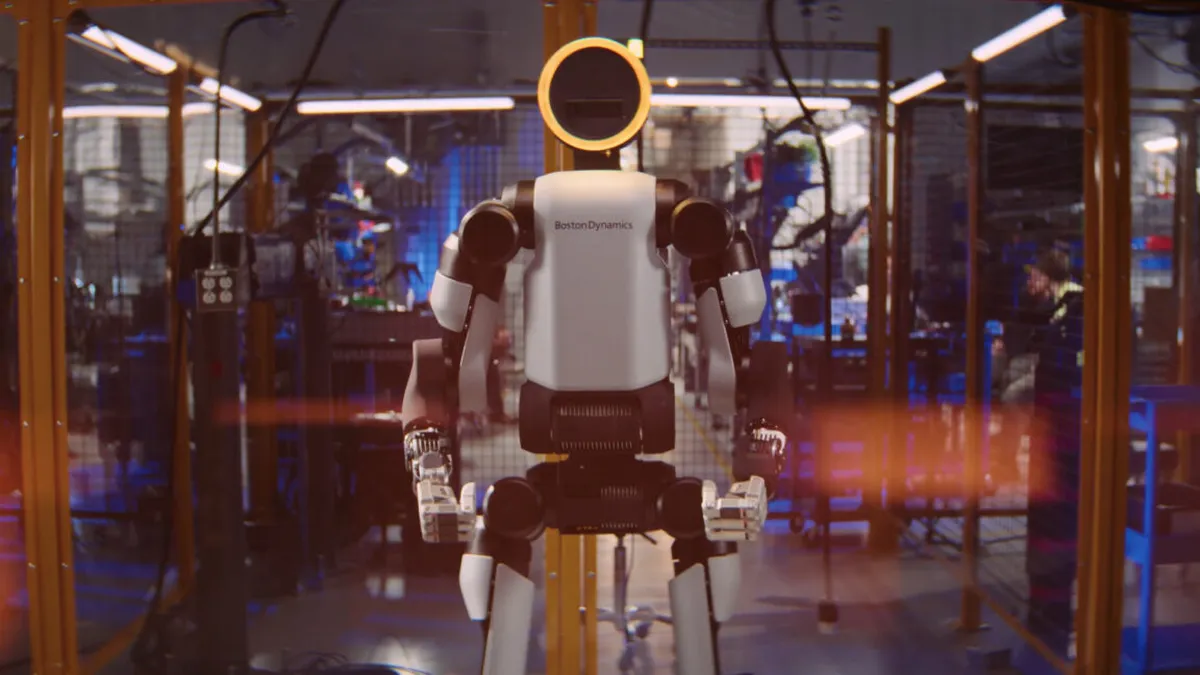
In a landscape where technology and labor increasingly intersect, Hyundai Motor Company is facing a pivotal moment as it prepares to deploy 25,000 Atlas humanoid robots across its U.S. factories starting in 2028. This ambitious plan has ignited a complex discourse surrounding labor rights, automation, and the future of work. Amid ongoing strikes by South Korean autoworkers, the automaker has asserted that discussions regarding the deployment of these robots are separate from the current labor negotiations focused on compensation and working conditions. However, the implications of introducing robots into the workforce could reverberate through labor relations, raising questions about job security, compensation, and the balance of power between management and employees.
The Current Labor Strikes: A Call for Fair Compensation
The backdrop of Hyundai's humanoid robot initiative is a tense labor environment marked by strikes at the company’s largest automotive plant in South Korea. As the Hyundai Motor union engages in discussions over wage increases, bonuses, and retirement age extensions, the deployment of Atlas robots looms large as a potential threat to job security. Despite Hyundai’s claims that robot integration is not a core issue in current negotiations, union representatives have expressed concerns that automation could lead to reduced work hours and job displacement.
Hyundai's statement explicitly prioritizes current labor discussions around compensation, emphasizing its commitment to constructive engagement with the union. However, the union's demands reflect a broader anxiety within the workforce regarding the rise of automation and its potential to undermine long-established labor agreements. According to a report from The Wall Street Journal, the union is not only seeking immediate wage reforms but also job protections that acknowledge the disruptive potential of robots and AI.

The Atlas Humanoid Robot: A Technological Breakthrough
The Atlas humanoid robot, developed by Boston Dynamics—a subsidiary of Hyundai—represents a significant leap in robotics technology. Designed to navigate complex environments, Atlas can perform a variety of tasks, from lifting heavy objects to assisting in assembly lines. Hyundai's plans for Atlas to start operating at its Metaplant America facility in Georgia signal a strategic shift towards automation in the automotive industry. However, the introduction of robots like Atlas raises critical questions about their impact on human workers.
The Role of Automation in Modern Manufacturing
Automation has long been a double-edged sword for manufacturing industries. On one hand, it promises increased efficiency, higher production rates, and reduced labor costs. On the other, it threatens to displace human workers and alter long-standing employment practices. As Hyundai positions itself to embrace this new era of robotics, it is simultaneously navigating complex labor dynamics that have evolved in the wake of new legislation.
The Yellow Envelope Law and Its Implications
In March 2026, South Korea enacted the “yellow envelope law,” a significant piece of legislation designed to enhance labor rights among workers, particularly those in subcontracting roles. This law limits employers' rights to seek damages from unions due to strikes and expands the scope of collective bargaining to include decisions that significantly impact working conditions, including the introduction of robots and AI into the workplace.
Experts suggest that the yellow envelope law may slow the transition to automated labor, as companies are now required to negotiate significant changes with their workforce. This shift could lead to a more collaborative approach to automation, where workers have a voice in decisions that affect their jobs. However, it could also create friction between management and labor as companies strive to maintain productivity and profitability while adhering to new regulations.

Union Responses and Future Considerations
As the United Auto Workers (UAW), representing 400,000 workers across the U.S., Canada, and Puerto Rico, seeks to organize employees at Hyundai's Metaplant, the union's stance on automation will be critical. At the recent UAW Constitutional Convention, President Shawn Fain highlighted the potential dangers posed by humanoid robotics and mass automation, warning that without protective measures, workers might face job losses and reduced compensation.
The UAW's growing influence could reshape how companies like Hyundai approach automation deployment. Unions are increasingly vocal about ensuring that new technologies do not come at the expense of workers' rights. The stakes are high, as the UAW pushes for negotiations that could set precedents for how automation is integrated into the workforce across various industries.

Key Takeaways
- Hyundai's plan to deploy 25,000 Atlas robots by 2028 raises significant labor concerns amidst ongoing strikes.
- The current labor negotiations focus on compensation and job security, with the union demanding protections against automation.
- The yellow envelope law mandates collective bargaining for significant changes in working conditions, including automation.
- The role of unions like the UAW is critical in shaping the future of automation and labor rights in the U.S.
Frequently Asked Questions
What is the Atlas humanoid robot and what will it do at Hyundai’s factories?
The Atlas humanoid robot, developed by Boston Dynamics, is designed to perform various tasks within manufacturing settings, including lifting, carrying, and assisting human workers on assembly lines. Hyundai plans to deploy these robots at its Metaplant America in Georgia starting in 2028, marking a significant step towards increased automation in the automotive industry.
How are labor unions responding to the deployment of robots in manufacturing?
Labor unions, including the Hyundai Motor union and the United Auto Workers (UAW), are responding to the potential deployment of robots with calls for negotiations to protect workers' rights. Unions are seeking job security measures and compensation adjustments that reflect the changing landscape of work due to automation. The emergence of laws like the yellow envelope law has given unions more leverage in these discussions.
What impact could the yellow envelope law have on automation?
The yellow envelope law, which enhances labor rights and limits employers' abilities to claim damages from unions, is likely to slow the pace of automation in South Korea by requiring companies to negotiate changes that affect working conditions. This legislation recognizes the need for collective bargaining when introducing new technologies, aiming to create a more equitable transition to automated labor.
What are the potential benefits and drawbacks of automating manufacturing processes?
Automation can lead to increased efficiency and reduced labor costs, allowing companies to produce goods at a lower cost. However, it also poses significant risks to employment, as robots and AI can replace human workers in various roles. The challenge lies in balancing the benefits of automation with the need to protect workers' rights and ensure fair compensation in a rapidly changing job market.
Comments
How to Protect Your Data from Emerging Cybersecurity Threats
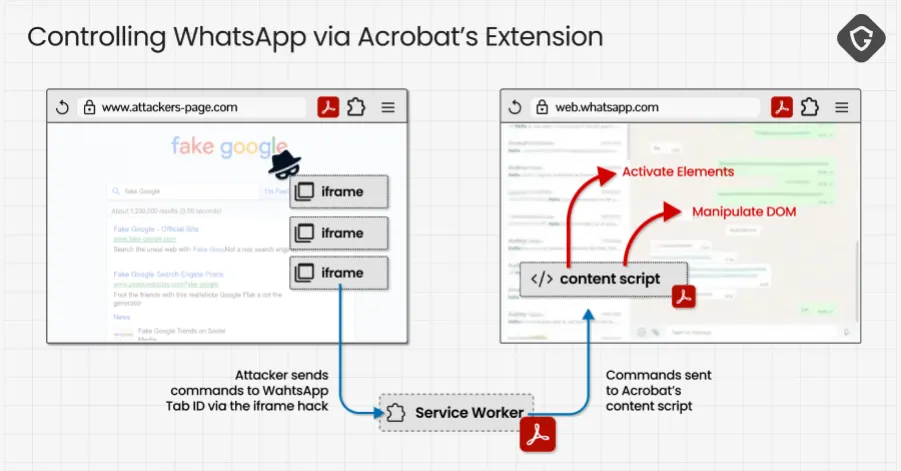
Recent vulnerabilities in widely-used software like Adobe Acrobat have highlighted the urgent need for robust cybersecurity measures. This article explores how organizations can safeguard against these threats and outlines practical steps to enhance security.
Related articles





Popular in Cybersecurity
- Federal Mandate for Autonomous Vehicles: A Call for Safety Compliance
- EU Mandates Google to Share Data and Open AI on Android: What It Means
- GitHub Revamps Bug Bounty Program: Implications for Developers and Security
- Australian Government Disables Thousands of Functional Broadband Routers: A Wasteful Decision
- Exploiting Redis: Understanding Zero-Day Vulnerabilities and Their Mitigation