The Future of Space Warfare: Navigating Privateers and Military Norms
As the U.S. Space Force evolves, the debate over private military operations in space heats up. This article explores the implications of privateering and military engagement in the cosmos.
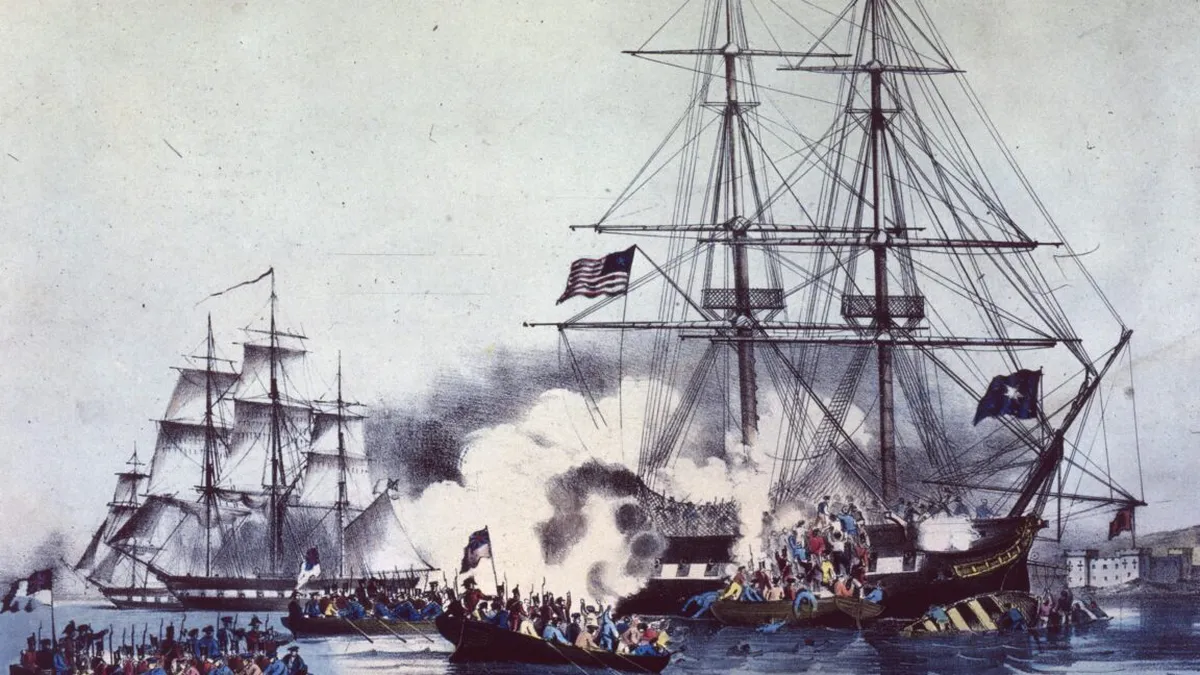
The landscape of warfare is rapidly changing, and the domain of space has emerged as a critical theater for military operations. As nations invest heavily in their space capabilities, the idea of private military operations in space—akin to historical privateering—has sparked intense debate. Recently, the U.S. Space Force's leadership has cast doubt on the viability of such privateers in the cosmos, raising questions about legality, morality, and efficacy in modern warfare.
The historical context of privateering offers a fascinating lens through which to view this issue. During the early years of the United States, privateers were commissioned to augment naval forces, capturing enemy vessels when the fledgling Navy lacked the capacity to do so. Prominent figures like Presidents John Adams and James Madison endorsed this practice, using letters of marque to grant private ships the authority to engage in military actions against foreign adversaries. However, the moral ambiguities surrounding privateering were recognized even then, and as the U.S. Navy grew in strength, the need for private military vessels diminished.
Historical Context of Privateering
The practice of privateering traces back to a time when naval power was not as centralized as it is today. In fact, the U.S. Constitution explicitly grants the government the authority to issue letters of marque and reprisal, distinguishing privateers from pirates. The use of privateers played a significant role during the American Revolution and the War of 1812, where they became a strategic asset against more formidable foes like the British Royal Navy.
However, as Benjamin Franklin noted in his later years, the ethics of privateering were questionable. Franklin advocated for the abolition of privateering, arguing that it blurred the lines of moral responsibility and could lead to unchecked greed and hostility. This sentiment was echoed by other Founding Fathers, who recognized the dangerous potential of private interests operating under the guise of national interest.

Modern-Day Implications
Fast forward to the 21st century, and the concept of privateering has evolved, taking on new dimensions in the context of space. While privateering is now prohibited under international law and has not been utilized by the U.S. since the War of 1812, there is a renewed interest among some lawmakers to revive the practice, particularly in the realms of cyber warfare and combating drug cartels.
Recent legislative efforts by figures such as Senator Mike Lee and Representative Tim Burchett aim to allow private citizens to engage in operations against cybercriminals and drug cartels, likening these efforts to modern-day privateering. Lee's proposal highlights a trend where privateers could act as “digital mercenaries,” seizing assets from adversaries while dividing profits with the federal government, thus creating a financial incentive for private enterprise to engage in military-style operations.
The Blurred Lines of Space Operations
The intersection of commercial and military interests in space is particularly complex. As the U.S. Space Force increasingly relies on commercial satellites for military exercises, the potential for private operators to engage in offensive actions becomes a pressing concern. This raises critical questions: If a private entity possesses a letter of marque, would their actions in space be legally justified? And what constitutes legitimate military engagement in an arena that lacks clear rules of engagement?
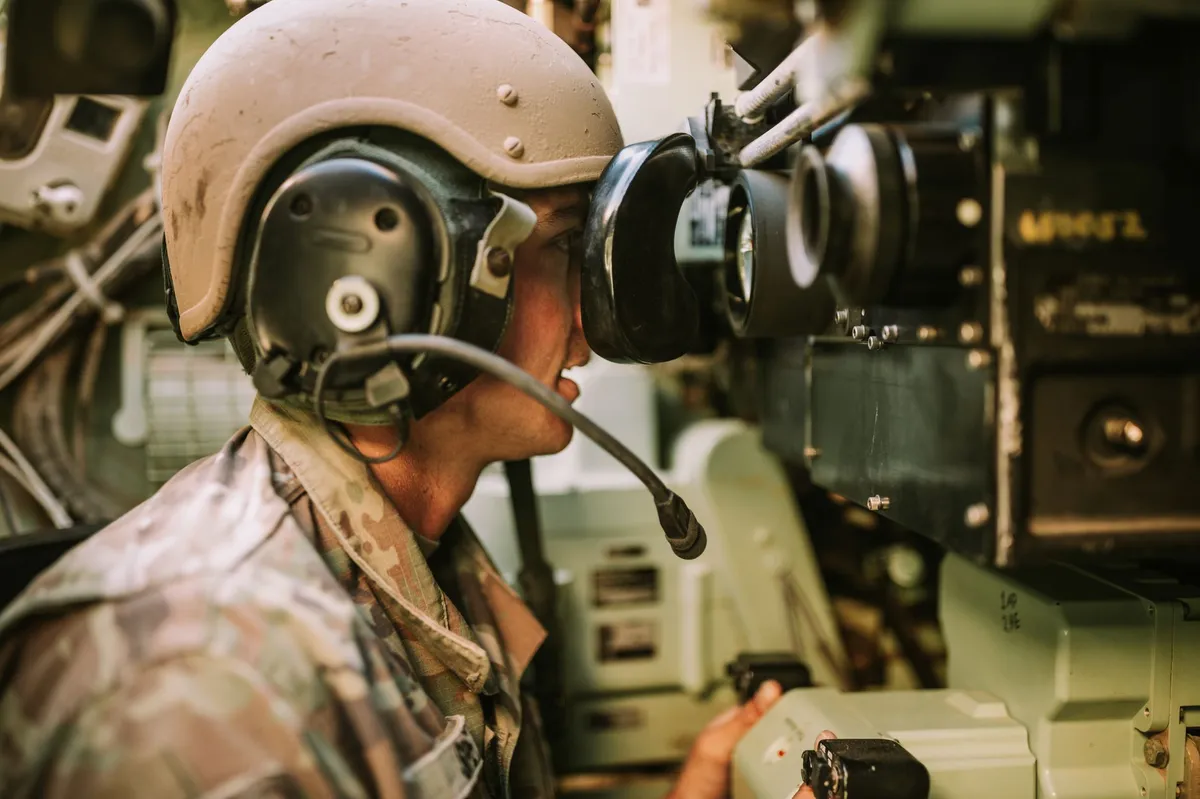
The U.S. Space Force is already conducting simulations using privately-owned satellites to prepare for potential threats in low-Earth orbit. However, as military operations become more interconnected across various domains—land, air, sea, space, and cyber—distinguishing between commercial and military operations will be crucial. Recent discussions among lawmakers and military leaders, such as those involving Lt. Gen. Doug Schiess, underscore the necessity for the Space Force to maintain control over weapon systems in space.
Policy and Legislative Landscape
The legal frameworks governing military operations in space are still underdeveloped, and recent legislation reflects a cautious approach to privatization of military capabilities. The National Defense Authorization Act (NDAA) for fiscal year 2027 included provisions prohibiting the Pentagon from outsourcing missile defense capabilities to private entities, reinforcing the imperative that such systems remain under military control.
Senator Reed's concerns during confirmation hearings for Space Force leadership highlight the growing recognition that leasing military weapon systems—akin to leasing firearms—is inappropriate. The complexity of integrating commercial capabilities into military operations necessitates stringent oversight to ensure that national security is not compromised by profit-driven motives.
Challenges and Opportunities
The discussion surrounding space privateering illuminates several key challenges:
- Regulatory Ambiguity: The lack of clear international regulations governing military actions in space complicates the legal status of private operators.
- Ethical Concerns: The potential for private entities to prioritize profit over national security raises ethical dilemmas.
- Operational Control: Ensuring military oversight over commercial operations is vital to safeguard national interests.
Despite these challenges, opportunities exist for collaboration between the public and private sectors to enhance national security in space. As technology advances and the space economy grows, fostering partnerships while maintaining clear boundaries will be essential.

Key Takeaways
- The historical context of privateering illustrates the complexities of military operations and moral responsibility.
- The U.S. Space Force is navigating the blurred lines between commercial and military interests in space.
- Legislative efforts to revive privateering raise questions about legality and ethical implications.
- Maintaining military control over space operations is crucial for national security.
- Future collaborations between public and private sectors may enhance security while addressing current challenges.
Frequently Asked Questions
What is the historical significance of privateering in U.S. military history?
Privateering played a critical role in early U.S. military strategy, allowing private vessels to engage in warfare when the Navy was still developing. It provided a means to combat larger naval forces, particularly during the American Revolution and the War of 1812. However, ethical concerns about privateering's implications have persisted throughout history, leading to its eventual decline and prohibition under international law.
Why is the idea of privateers in space controversial?
The concept of privateers in space is controversial due to the lack of clear regulations governing military engagement in this domain. It raises questions about legality, accountability, and the potential for profit-driven motives to override national security interests. As commercial entities become more involved in military operations, ensuring that military oversight is maintained becomes increasingly complex.
What role does the U.S. Space Force play in modern military operations?
The U.S. Space Force is responsible for organizing, training, and equipping military personnel to conduct operations in space. As global tensions rise and the importance of space in national security grows, the Space Force plays a crucial role in developing strategies, capabilities, and partnerships with commercial entities to safeguard U.S. interests in this critical domain.
How might future legislation impact private military operations in space?
Future legislation could significantly impact the landscape of military operations in space by clarifying the legal status of private entities and their involvement in military actions. Proposals aimed at reviving privateering could open the door to new operational models but also raise ethical concerns and the risk of diminished military oversight. Policymakers will need to carefully navigate these waters to ensure national security is prioritized.
Comments
How to Protect Your Data from Emerging Cybersecurity Threats
Recent vulnerabilities in widely-used software like Adobe Acrobat have highlighted the urgent need for robust cybersecurity measures. This article explores how organizations can safeguard against these threats and outlines practical steps to enhance security.
Related articles






Popular in Cybersecurity
- Federal Mandate for Autonomous Vehicles: A Call for Safety Compliance
- EU Mandates Google to Share Data and Open AI on Android: What It Means
- GitHub Revamps Bug Bounty Program: Implications for Developers and Security
- Australian Government Disables Thousands of Functional Broadband Routers: A Wasteful Decision
- Exploiting Redis: Understanding Zero-Day Vulnerabilities and Their Mitigation