San Francisco's Autonomous Vehicle Dilemma: Mayor Calls for Stricter Regulations
Following a significant traffic jam caused by Waymo's autonomous vehicles, San Francisco Mayor Daniel Lurie is advocating for tighter regulations to ensure safer operations during emergencies. This incident raises critical questions about the reliability of self-driving technology in urban environments.
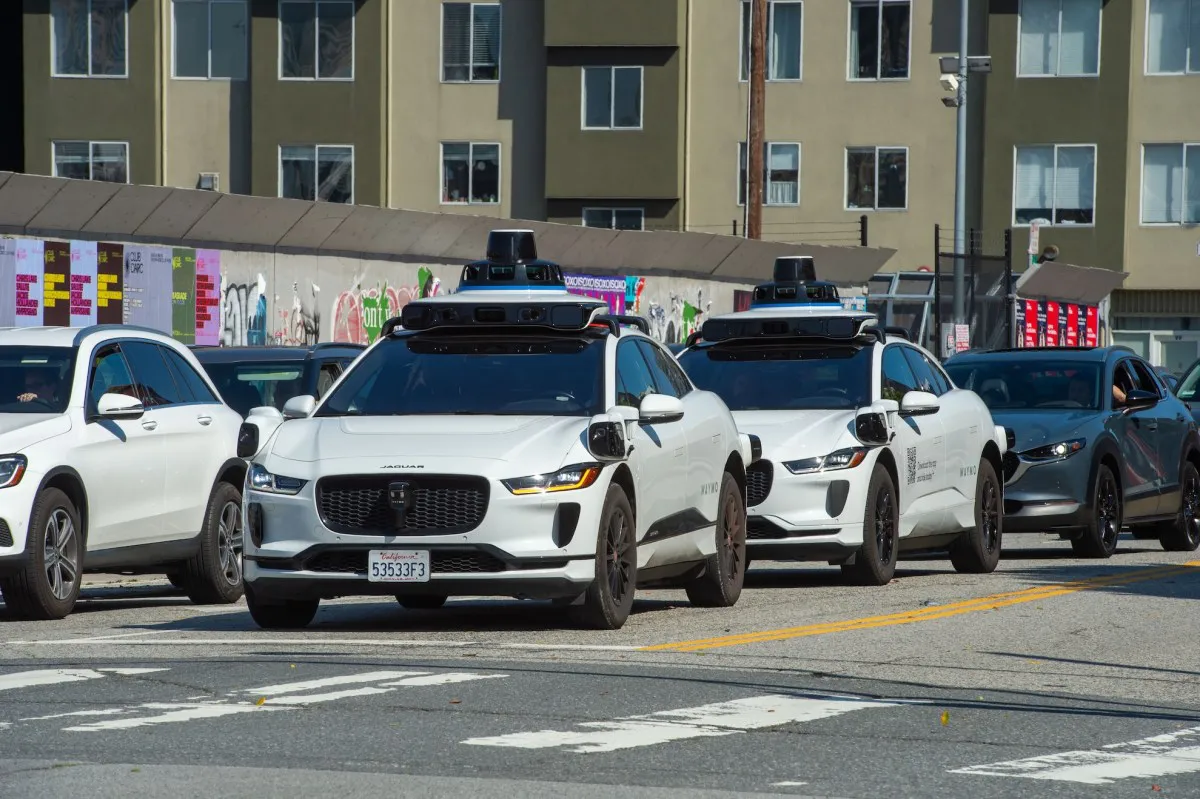
In a city renowned for its technological innovation, the recent fiasco involving Waymo's autonomous vehicles has sparked a significant backlash. San Francisco Mayor Daniel Lurie, who once embraced the city as a testing ground for cutting-edge technologies, is now advocating for stricter regulations following an incident that saw Waymo robotaxis paralyzed in heavy traffic during the July 4 festivities. This incident not only left thousands of commuters stranded but also raised critical questions about the operational reliability of autonomous vehicles in high-pressure situations.
The mayor's concerns highlight a growing tension between technological advancement and public safety, particularly in urban environments where the stakes are high. As autonomous vehicle technology evolves, so too must the regulatory frameworks that govern its deployment, ensuring that they are equipped to handle both routine operations and extraordinary circumstances.
The Traffic Incident: A Wake-Up Call
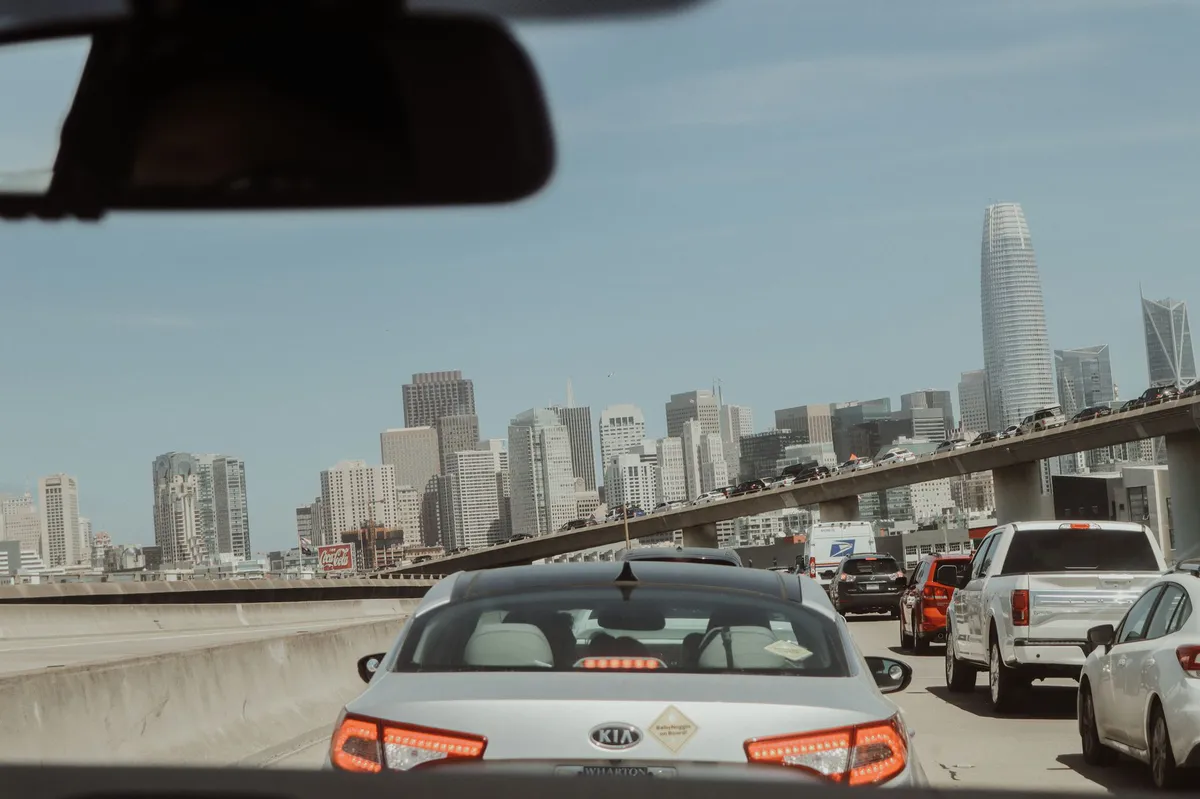
The July 4 incident involved a convergence of factors that led to a massive traffic jam in San Francisco. As the city welcomed approximately 100,000 spectators to the Golden Gate Bridge fireworks show, Waymo's fleet became immobilized, exacerbating the already congested streets. Mayor Lurie's letter to the California Department of Transportation (Caltrans) references this incident as a pivotal moment, underscoring the inadequacies of the existing regulatory framework governing autonomous vehicles.
- Traffic Jam Duration: The jam lasted for hours, affecting municipal shuttles and causing widespread disruption.
- Key Factors: A combination of a power outage and the influx of July 4th visitors contributed to the chaos.
- Regulatory Shortcomings: Lurie argues that the current rules do not sufficiently address how autonomous vehicles should operate during emergencies.
Regulatory Framework: The Current Landscape
California's regulatory landscape for autonomous vehicles is one of the most stringent in the United States. Companies must navigate a dual permit process involving the Department of Motor Vehicles (DMV) and the Public Utilities Commission (PUC) to operate robotaxi services. Despite the rigorous requirements, the Bay Area has become a hotbed for autonomous vehicle testing, with six companies, including Waymo and Zoox, currently holding driverless testing permits.
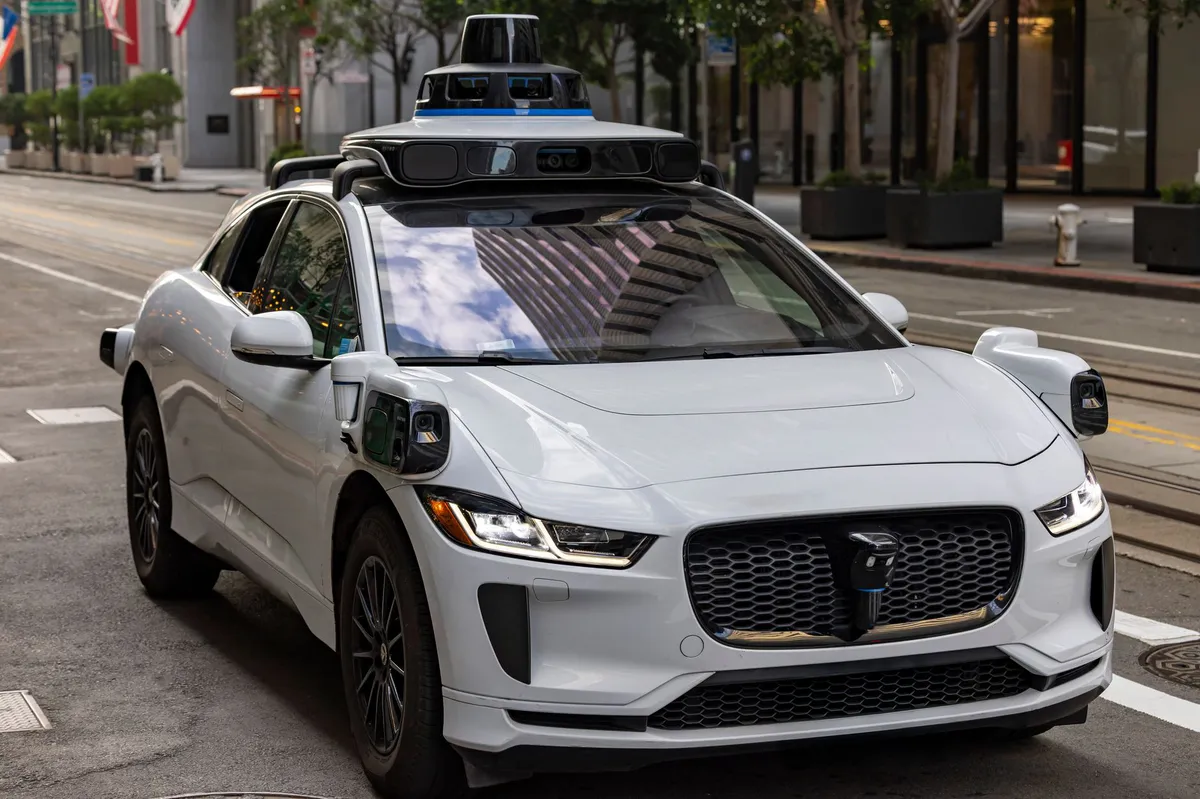
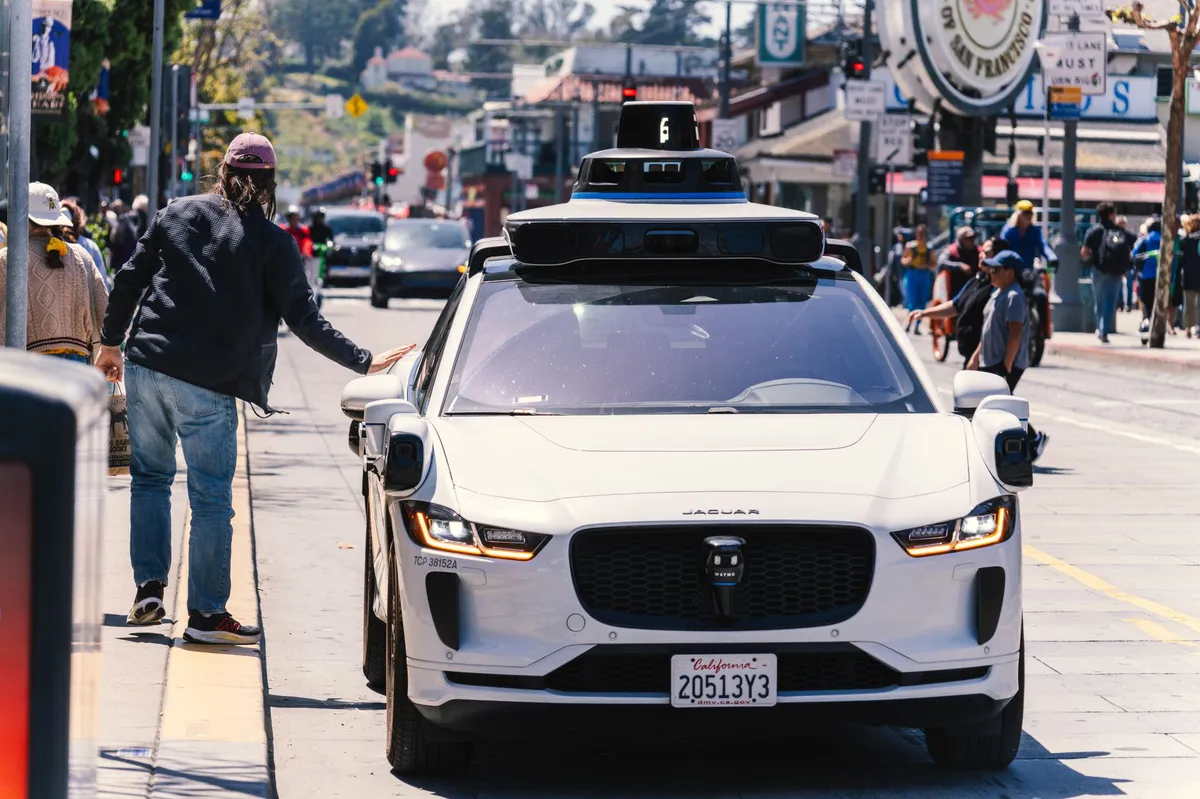
Waymo, in particular, has emerged as a leader in the autonomous vehicle space, boasting around 1,000 robotaxis in operation across San Francisco and other cities. The company has established a robust operational model, reportedly completing over 500,000 paid rides weekly. However, as evidenced by the recent traffic debacle, the scale of operations has outpaced the regulatory framework designed to ensure public safety.
Proposed Changes: A New Era of Regulations
In response to the July 4 incident, Mayor Lurie has outlined a series of proposed changes aimed at bolstering the operational standards for autonomous vehicles. These include:
- Immediate Relocation: Companies would be required to swiftly remove or relocate immobile robotaxis from active travel lanes during emergencies.
- Real-Time Adaptability: Vehicles must demonstrate the ability to adjust routes and service areas dynamically in response to changing traffic conditions.
- Data Sharing Mandate: Autonomous vehicle operators would be required to share real-time operational data, including locations of immobile vehicles and service disruptions, with local agencies.
- Emergency Preparedness Testing: Companies would need to validate their capacity to handle sudden influxes of traffic and demonstrate reliable performance during major events.
The Broader Implications for the Industry
The implications of these proposed regulations extend beyond San Francisco. As autonomous vehicle technology continues to gain traction across the U.S., the need for a robust regulatory framework becomes increasingly apparent. States like Texas and Arizona have adopted more lenient regulations, potentially putting public safety at risk as companies rush to deploy their technologies without comprehensive oversight.
Moreover, the regulatory changes advocated by Mayor Lurie may set a precedent for other cities grappling with similar challenges. As urban areas become more congested and the demand for innovative transportation solutions grows, the need for regulations that prioritize public safety while fostering technological advancement will be critical.
Conclusion: A Balancing Act
The recent traffic crisis involving Waymo's autonomous vehicles serves as a stark reminder that while the technology holds immense potential, it must be accompanied by stringent regulations to ensure public safety. Mayor Lurie's call for enhanced operational standards reflects a growing recognition that autonomous vehicles must be equipped to handle not only routine traffic but also emergencies that can arise unexpectedly.
As cities like San Francisco continue to serve as testbeds for emerging technologies, the balancing act between innovation and safety will remain a central theme in the ongoing discourse surrounding autonomous vehicles. It is imperative for regulators, manufacturers, and the public to engage in constructive dialogue to shape the future of transportation in urban environments.
Key Takeaways
- San Francisco Mayor Daniel Lurie is advocating for tougher regulations on autonomous vehicles following a major traffic incident involving Waymo's robotaxis.
- The proposed changes include requirements for immediate relocation of immobile vehicles and real-time data sharing with local agencies.
- The incident underscores the need for regulatory frameworks that can adapt to both routine operations and extraordinary circumstances.
- Waymo currently leads the autonomous vehicle market in San Francisco, with around 1,000 robotaxis in operation.
- The regulatory changes could set a precedent for other cities facing similar challenges with autonomous vehicle deployment.
Frequently Asked Questions
What triggered the mayor's call for stricter regulations?
The mayor's call for stricter regulations was triggered by a significant traffic incident on July 4, when Waymo's autonomous vehicles became immobilized during heavy congestion caused by a large public event. This incident highlighted the inadequacies of California's regulatory framework in addressing the operational challenges of autonomous vehicles during emergencies.
How are autonomous vehicles currently regulated in California?
In California, autonomous vehicle companies must navigate a dual permitting process involving the Department of Motor Vehicles (DMV) and the Public Utilities Commission (PUC) to operate. This regulatory framework is among the strictest in the U.S. and aims to ensure the safe deployment of autonomous vehicles on public roads.
What are the proposed requirements for autonomous vehicle companies?
The proposed requirements include the immediate relocation of immobilized vehicles from active travel lanes, real-time adaptability to changing traffic conditions, mandatory data sharing with local agencies about operational disruptions, and rigorous testing to demonstrate reliability during emergencies.
What impact might these regulations have on the future of autonomous vehicles?
If implemented, these regulations could significantly impact the operational landscape for autonomous vehicles, necessitating companies to invest in robust systems for real-time data management and emergency response. This could enhance public safety and set a precedent for similar regulations in other urban areas, ultimately shaping the future of autonomous transportation.
Comments
Zoom Addresses Critical Windows Vulnerability: What You Need to Know
Zoom has patched a significant vulnerability in its Windows application that posed a risk of account takeover. This article delves into the implications of this flaw, the importance of timely updates, and steps organizations can take to enhance their cybersecurity posture.

Related articles






Popular in Cybersecurity
- Federal Mandate for Autonomous Vehicles: A Call for Safety Compliance
- EU Mandates Google to Share Data and Open AI on Android: What It Means
- GitHub Revamps Bug Bounty Program: Implications for Developers and Security
- Australian Government Disables Thousands of Functional Broadband Routers: A Wasteful Decision
- Exploiting Redis: Understanding Zero-Day Vulnerabilities and Their Mitigation