Harnessing AI for Cybersecurity: How GPT-Red Enhances Prompt Injection Testing
OpenAI's GPT-Red is revolutionizing cybersecurity by automating prompt injection testing for GPT-5.6 Sol. This article explores its significance and how organizations can safeguard against AI-discovered vulnerabilities.
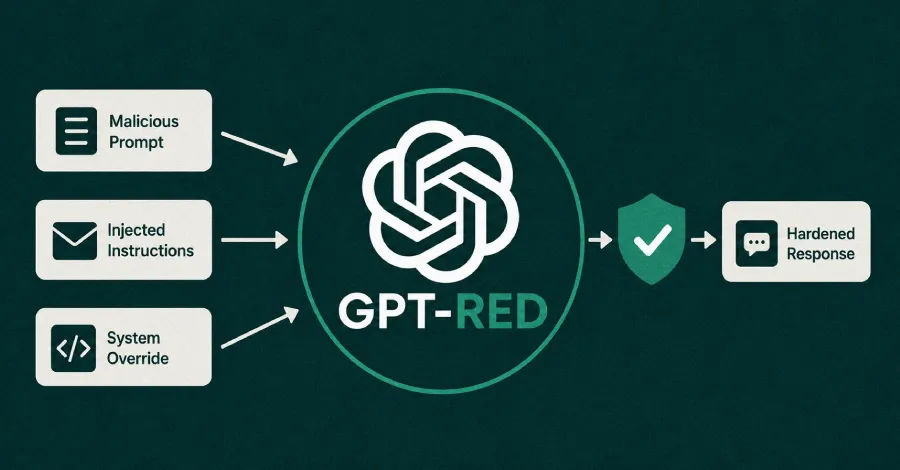
In the ever-evolving landscape of cybersecurity, artificial intelligence (AI) is proving to be a double-edged sword. While it enhances security measures, it also introduces new vulnerabilities, particularly in the realm of prompt injection attacks. OpenAI has recently unveiled GPT-Red, a groundbreaking tool designed to automate the process of testing for these vulnerabilities in its GPT-5.6 Sol model. This innovation not only streamlines the identification of potential security risks but also significantly strengthens the overall resilience of AI applications. In this article, we will delve into the workings of GPT-Red, the implications of its deployment, and the vital steps organizations can take to safeguard themselves against AI-related threats.
Understanding Prompt Injection Attacks
Before we explore the mechanics of GPT-Red, it's crucial to understand the nature of prompt injection attacks. These vulnerabilities arise when an attacker manipulates the inputs of an AI model, leading it to produce unintended outputs. For instance, in a chatbot scenario, an attacker might craft a prompt that prompts the AI to reveal sensitive information or perform actions that compromise security protocols. With the increasing reliance on AI models for customer interactions, data processing, and decision-making, the stakes have never been higher.

The Role of AI in Cybersecurity
AI's dual role in cybersecurity is becoming increasingly apparent. On one hand, it acts as a powerful ally in identifying and mitigating threats, while on the other, it can be exploited to uncover vulnerabilities. AI algorithms can analyze vast datasets far quicker than human analysts, enabling them to detect patterns and anomalies that may indicate security breaches. However, as organizations leverage AI for security purposes, they must remain vigilant against the very tools they employ.
How GPT-Red Works
OpenAI's GPT-Red automates the detection of prompt injection vulnerabilities by simulating a wide range of attack scenarios. By generating diverse input prompts, GPT-Red tests the AI model's responses, flagging any instances where the model behaves unexpectedly. This proactive approach allows developers to identify weaknesses before they can be exploited by malicious actors.
Benefits of Automating Vulnerability Testing
The automation of prompt injection testing through GPT-Red offers several key advantages:
- Efficiency: Traditional testing methods can be time-consuming and require extensive human resources. GPT-Red accelerates this process, allowing for quicker iterations and faster deployment of secure models.
- Comprehensive Coverage: By simulating numerous scenarios, GPT-Red can uncover vulnerabilities that might be missed through manual testing.
- Continuous Improvement: As AI models evolve, so too do the methods employed by attackers. GPT-Red's automated testing can adapt to new threats, ensuring ongoing protection.

Steps to Secure Against AI-Discovered Vulnerabilities
While tools like GPT-Red significantly bolster security, organizations must also implement robust security protocols. Here are five essential steps to safeguard against software vulnerabilities discovered by AI models:
1. Regular Security Audits
Conduct periodic security audits to assess the effectiveness of your defenses. This includes reviewing AI model outputs and ensuring that they align with expected behavior. Audits help identify areas for improvement and reinforce security measures.
2. Implement Access Controls
Establish strict access controls to limit who can interact with AI models. By restricting access to authorized personnel, organizations minimize the risk of prompt injection attacks that exploit user inputs.
3. Train Your Team
Educating your team about the potential risks associated with AI and prompt injection attacks is crucial. Regular training sessions can help employees recognize suspicious behavior and respond effectively.
4. Monitor AI Interactions
Implement monitoring solutions to track interactions with AI models. Anomalies in user inputs or unexpected outputs should trigger alerts for further investigation.
5. Stay Updated on AI Developments
The field of AI is rapidly evolving, and staying informed about the latest threats and mitigation strategies is essential. Subscribing to cybersecurity news and participating in industry forums can provide valuable insights.

Key Takeaways
- OpenAI's GPT-Red automates prompt injection testing, enhancing security.
- Understanding prompt injection attacks is critical for safeguarding AI applications.
- Organizations must implement robust security measures alongside automated testing.
- Regular training and monitoring are essential to mitigate AI-related risks.
Frequently Asked Questions
What is prompt injection and why is it a threat?
Prompt injection refers to a security vulnerability where an attacker manipulates the input prompts that an AI model receives, leading it to produce unauthorized or unintended outputs. This can pose significant risks, especially in applications where AI systems handle sensitive information or perform critical functions. As AI systems become more integrated into business processes, understanding and mitigating this threat is crucial for maintaining security and trust.
How does GPT-Red improve cybersecurity measures?
GPT-Red enhances cybersecurity by automating the process of testing for prompt injection vulnerabilities in AI models. It simulates various attack scenarios and analyzes the model's responses, enabling developers to identify and address weaknesses proactively. This innovative approach allows organizations to improve their AI systems' resilience against potential threats, ultimately contributing to a safer digital environment.
What steps can organizations take to protect against AI-related vulnerabilities?
Organizations can implement several strategies to protect against AI-related vulnerabilities, including conducting regular security audits, establishing strict access controls, training staff on AI risks, monitoring interactions with AI systems, and staying updated on the latest cybersecurity developments. By combining these measures with tools like GPT-Red, organizations can create a robust defense against emerging threats.
Comments
San Francisco's Autonomous Vehicle Dilemma: Mayor Calls for Stricter Regulations
Following a significant traffic jam caused by Waymo's autonomous vehicles, San Francisco Mayor Daniel Lurie is advocating for tighter regulations to ensure safer operations during emergencies. This incident raises critical questions about the reliability of self-driving technology in urban environments.

Related articles





Popular in Cybersecurity
- Federal Mandate for Autonomous Vehicles: A Call for Safety Compliance
- EU Mandates Google to Share Data and Open AI on Android: What It Means
- GitHub Revamps Bug Bounty Program: Implications for Developers and Security
- Australian Government Disables Thousands of Functional Broadband Routers: A Wasteful Decision
- Exploiting Redis: Understanding Zero-Day Vulnerabilities and Their Mitigation