Securing Against Cyber Threats: Lessons from Hijacked Government Websites
Recent incidents of hijacked government websites highlight the urgent need for robust cybersecurity measures. This article explores how AI is shaping the landscape of cybersecurity and outlines essential steps organizations can take to protect themselves against software vulnerabilities.
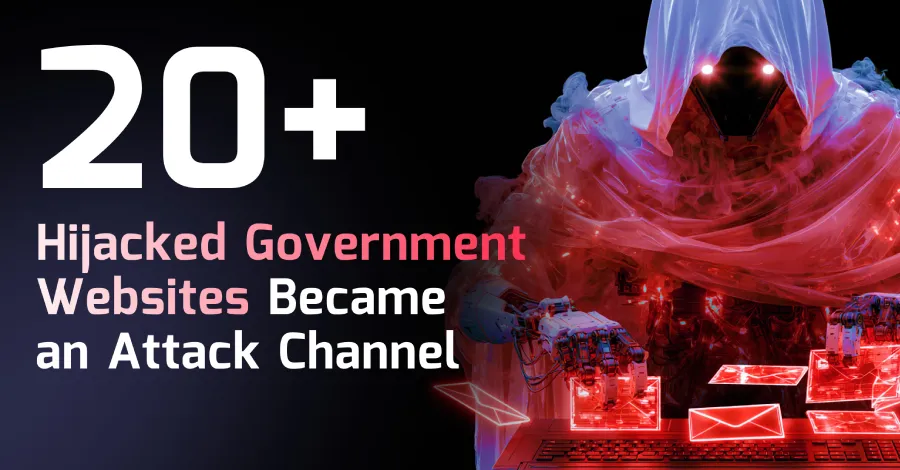
The digital landscape is evolving at an unprecedented pace, and so are the tactics of cybercriminals. Recently, over 20 government websites fell victim to hijacking, serving as a stark reminder of the vulnerabilities that exist within our digital infrastructure. These incidents not only raise concerns about data security but also underscore the critical need for organizations to strengthen their defenses against cyber threats. In this article, we delve into the implications of these attacks, the role of artificial intelligence (AI) in cybersecurity, and actionable steps organizations can take to bolster their security posture.
The Rise of Cyber Attacks on Government Websites
In an increasingly interconnected world, government websites have become prime targets for cyber attacks. The recent hijacking of more than 20 such sites illustrates the methods employed by malicious actors, who exploit software vulnerabilities to gain unauthorized access and disseminate harmful content. These attacks can have serious repercussions, including the loss of sensitive data, disruption of services, and a significant erosion of public trust.
Understanding the Attack Vectors
Cybercriminals often utilize various attack vectors to breach government websites. Common vulnerabilities include:
- Outdated Software: Many websites run on outdated platforms that lack the latest security patches.
- Weak Passwords: Inadequate password policies can allow attackers to gain easy access.
- Misconfigured Servers: Poorly configured servers can expose sensitive data to unauthorized users.
- Phishing Schemes: Attackers often use phishing tactics to trick users into sharing login credentials.
Understanding these vectors is crucial for organizations to develop effective strategies for prevention.

The Role of AI in Cybersecurity
Artificial intelligence is revolutionizing the cybersecurity landscape by providing advanced tools for threat detection and response. AI models can analyze vast amounts of data to identify patterns that may indicate an impending attack. By leveraging machine learning algorithms, organizations can enhance their ability to predict and mitigate potential threats before they manifest.
AI-Powered Threat Detection
AI-driven tools can continuously monitor network traffic and user behavior, enabling organizations to detect anomalies that may signify a breach. This proactive approach to cybersecurity allows for:
- Real-Time Analysis: Immediate identification of suspicious activity.
- Automated Responses: Quick remediation of identified threats without human intervention.
- Improved Accuracy: Reduced false positives through machine learning refinement.
By integrating AI into their cybersecurity frameworks, organizations can significantly reduce their exposure to risks associated with software vulnerabilities.

Five Steps to Secure Against Software Vulnerabilities
To mitigate the risks associated with hijacked websites and software vulnerabilities, organizations can implement the following five essential strategies:
1. Regular Software Updates
Keeping software up to date is one of the simplest yet most effective measures. Organizations should establish a routine for checking and applying updates to all software, including operating systems, applications, and plugins.
2. Implement Strong Password Policies
Enforcing strong password policies that require complex passwords and regular changes can help prevent unauthorized access. Consider implementing multi-factor authentication (MFA) for an added layer of security.
3. Conduct Regular Security Audits
Frequent security audits can identify vulnerabilities within an organization’s infrastructure. These audits should include penetration testing to simulate attacks and assess the effectiveness of existing security measures.
4. Educate Employees
Human error remains one of the leading causes of security breaches. Organizations should invest in cybersecurity training programs to educate employees on recognizing phishing attempts and safe online practices.
5. Leverage AI Solutions
Integrating AI-powered cybersecurity tools can enhance threat detection and response capabilities. Organizations should explore various AI solutions that fit their specific needs and budget.

Key Takeaways
- Government websites are increasingly targeted, highlighting the need for robust cybersecurity measures.
- AI is transforming cybersecurity by providing advanced threat detection and response capabilities.
- Regular software updates, strong password policies, and employee education are critical in mitigating vulnerabilities.
- Organizations should consider integrating AI solutions to enhance their security posture.
Frequently Asked Questions
What can organizations do to prevent website hijacking?
Organizations can significantly reduce the risk of website hijacking by implementing regular software updates, enforcing strong password policies, and conducting thorough security audits. Additionally, fostering a culture of cybersecurity awareness among employees is essential in preventing breaches that stem from human error.
How does AI enhance cybersecurity efforts?
AI enhances cybersecurity by facilitating real-time threat detection and response. By analyzing data patterns and user behavior, AI can identify anomalies that may indicate a breach, allowing organizations to respond swiftly and effectively to potential threats. This proactive approach minimizes the window of opportunity for cybercriminals.
What are the common vulnerabilities organizations should address?
Organizations should focus on addressing vulnerabilities such as outdated software, weak passwords, misconfigured servers, and susceptibility to phishing attacks. Regular assessments and updates are crucial to keeping these vulnerabilities in check and ensuring robust cybersecurity defenses.
Is employee training necessary for cybersecurity?
Yes, employee training is a vital component of any cybersecurity strategy. Educating staff on recognizing phishing attempts, understanding security protocols, and practicing safe online behavior can significantly reduce the likelihood of human error leading to security breaches.
Comments
San Francisco's Autonomous Vehicle Dilemma: Mayor Calls for Stricter Regulations
Following a significant traffic jam caused by Waymo's autonomous vehicles, San Francisco Mayor Daniel Lurie is advocating for tighter regulations to ensure safer operations during emergencies. This incident raises critical questions about the reliability of self-driving technology in urban environments.

Related articles





Popular in Cybersecurity
- Federal Mandate for Autonomous Vehicles: A Call for Safety Compliance
- EU Mandates Google to Share Data and Open AI on Android: What It Means
- GitHub Revamps Bug Bounty Program: Implications for Developers and Security
- Australian Government Disables Thousands of Functional Broadband Routers: A Wasteful Decision
- Exploiting Redis: Understanding Zero-Day Vulnerabilities and Their Mitigation