Critical Shark Vacuum Vulnerability: A Call to Action for Cybersecurity
A recently discovered vulnerability in Shark vacuum cleaners exposes users to potential cyber threats. This article explores the implications of this flaw and offers actionable steps to enhance cybersecurity.
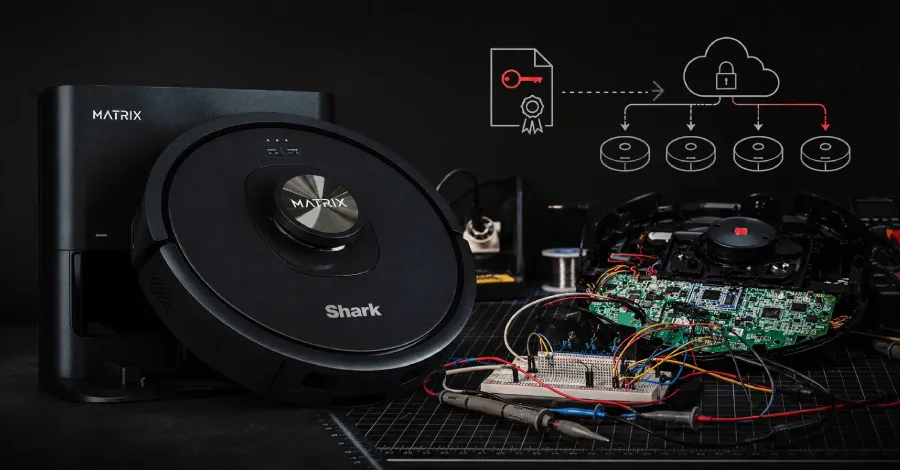
The integration of smart technology into everyday household appliances has revolutionized convenience, but it has also opened up new avenues for cyber threats. Recently, a significant vulnerability was identified in Shark vacuum cleaners that could allow attackers to take control of devices across a region. As more consumers adopt smart home devices, the importance of cybersecurity in protecting these gadgets cannot be overstated. This article examines the implications of the Shark vacuum flaw and outlines essential measures to enhance cybersecurity.
Understanding the Shark Vacuum Vulnerability
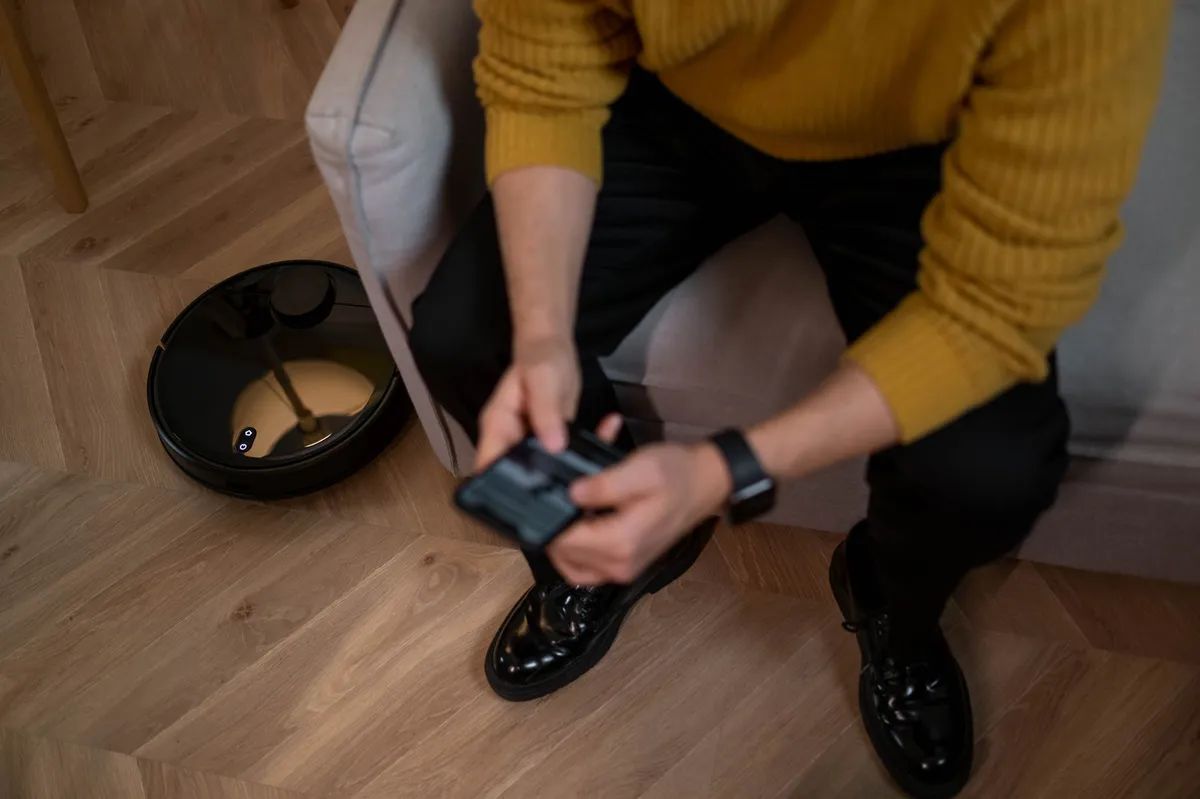
Shark vacuum cleaners, known for their efficiency and innovative technology, have incorporated wireless connectivity features that allow users to control them via mobile apps. However, this convenience comes at a cost; an unpatched security flaw has been discovered that enables potential attackers to exploit these connected devices.
According to cybersecurity experts, the vulnerability stems from insufficient authentication protocols within the vacuum's software. This means that an attacker could potentially gain unauthorized access to a user's device, allowing them to control the vacuum and possibly access the broader network it connects to. If multiple Shark vacuums are used within a neighborhood, an attacker could potentially compromise several devices, leading to a widespread security breach.
Key concerns include:- Unauthorized access to personal data stored on connected devices.
- Manipulation of vacuum settings, leading to potential property damage.
- Exposure of home networks to further attacks from compromised devices.
The Broader Implications of Smart Device Vulnerabilities
This incident highlights a troubling trend in the realm of Internet of Things (IoT) devices. As smart appliances become increasingly popular, they also become attractive targets for cybercriminals. The Shark vacuum flaw is not an isolated incident; many other smart devices have been found with similar vulnerabilities.
In 2020, a report indicated that nearly 50% of IoT devices are vulnerable to cyberattacks due to weak security measures. This raises concerns not only for individual consumers but also for businesses that utilize smart technology in their operations. A compromised vacuum cleaner could serve as a gateway for attackers to infiltrate larger networks, leading to severe consequences.

Steps to Mitigate Cybersecurity Risks
In light of the Shark vacuum vulnerability, it is crucial for consumers and businesses alike to take proactive measures to secure their devices. Here are five essential steps to enhance cybersecurity:
1. Keep Software Up to Date
Regularly check for firmware updates for your smart devices. Manufacturers often release patches to address vulnerabilities, and applying these updates is one of the simplest ways to protect your devices.
2. Change Default Settings
Many devices come with factory default passwords that are easy to guess. Change these settings to unique, complex passwords to reduce the risk of unauthorized access.
3. Utilize Secure Networks
When connecting smart devices to the internet, ensure you are using a secure Wi-Fi network. Avoid using public Wi-Fi for these devices, as they can expose you to significant risks.
4. Monitor Device Activity
Keep an eye on the performance and behavior of your smart devices. Unusual activity may indicate a security breach, and it’s essential to act quickly if you notice anything suspicious.
5. Educate Yourself and Your Family
Awareness is key to cybersecurity. Educate yourself and your family about the risks associated with smart devices and the importance of maintaining good security practices.
Key Takeaways
- The Shark vacuum vulnerability exposes users to potential cyber threats.
- Smart devices require regular updates and strong security measures.
- Proactive cybersecurity practices can significantly reduce risks.
- Educating users about smart device security is essential.
Frequently Asked Questions
What steps should I take if my Shark vacuum is compromised?
If you suspect that your Shark vacuum has been compromised, disconnect it from the internet immediately. Change any associated passwords and check for firmware updates from the manufacturer. If the issue persists, contact customer support for further assistance.
Are there other smart devices with similar vulnerabilities?
Yes, many smart devices are susceptible to vulnerabilities due to inadequate security measures. It’s essential to research and stay informed about potential risks associated with any smart technology you use.
How can I learn more about securing my smart home?
Various online resources provide comprehensive guides on securing smart home devices. Additionally, cybersecurity professionals offer services and consultations to help homeowners assess and improve their security posture.
Comments
San Francisco's Autonomous Vehicle Dilemma: Mayor Calls for Stricter Regulations
Following a significant traffic jam caused by Waymo's autonomous vehicles, San Francisco Mayor Daniel Lurie is advocating for tighter regulations to ensure safer operations during emergencies. This incident raises critical questions about the reliability of self-driving technology in urban environments.

Related articles




Popular in Cybersecurity
- Federal Mandate for Autonomous Vehicles: A Call for Safety Compliance
- EU Mandates Google to Share Data and Open AI on Android: What It Means
- GitHub Revamps Bug Bounty Program: Implications for Developers and Security
- Australian Government Disables Thousands of Functional Broadband Routers: A Wasteful Decision
- Exploiting Redis: Understanding Zero-Day Vulnerabilities and Their Mitigation