TuxBot v3: The Evolution of AI-Enhanced IoT Botnets and Security Measures
The emergence of TuxBot v3 illustrates the growing challenges posed by AI in cybersecurity. Organizations must adopt proactive strategies to safeguard against evolving threats.
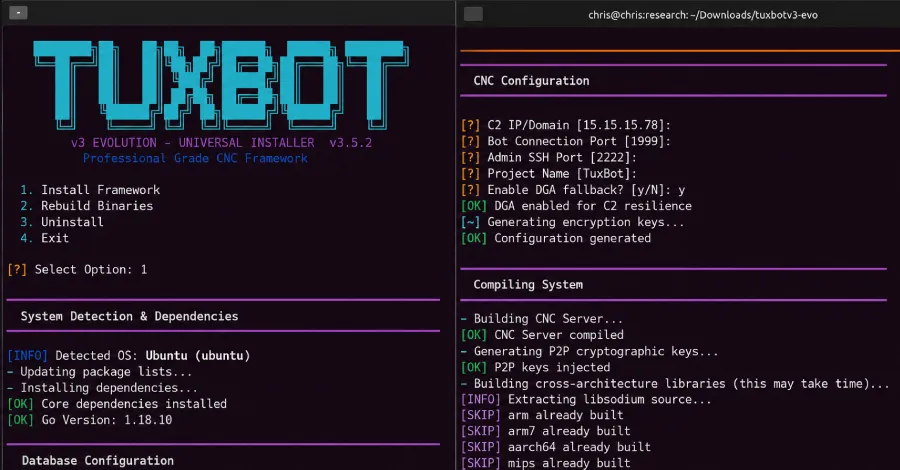
The rise of Internet of Things (IoT) devices has transformed the technological landscape, bringing both convenience and new security challenges. As these devices proliferate, so do the threats targeting them. The recent emergence of TuxBot v3, a sophisticated IoT botnet powered by Large Language Models (LLMs), exemplifies the increasing complexity of cyber threats in today's digital environment. This evolution underscores the necessity for organizations to adopt robust cybersecurity measures to protect their assets and data.
TuxBot v3 represents a significant leap in the capabilities of IoT botnets, leveraging advanced AI techniques to enhance its functionality and efficiency. This development raises critical questions about the security of IoT ecosystems and the strategies organizations must employ to shield themselves from such advanced threats. Understanding the nature of this botnet and the associated risks is essential for businesses aiming to maintain their integrity in an increasingly hostile cyber landscape.

Understanding TuxBot v3 and Its Implications
TuxBot v3 is the latest iteration of a botnet that has evolved from previous versions, now incorporating LLM capabilities to automate and optimize its malicious activities. This botnet can leverage AI to analyze vulnerabilities in IoT devices and networks, making it more adept at breaching security protocols. The implications of this evolution are profound, as it allows malicious actors to conduct more sophisticated attacks with a greater degree of anonymity and efficiency.
The Mechanics of TuxBot v3
At its core, TuxBot v3 utilizes machine learning algorithms that allow it to:
- Identify Vulnerabilities: By scanning networks and devices, it can pinpoint security weaknesses that can be exploited.
- Adapt Attacks: The botnet can learn from previous attempts, refining its methods to improve success rates.
- Launch Coordinated Attacks: It can control multiple devices simultaneously, amplifying the scale and impact of its operations.
This level of sophistication makes TuxBot v3 not just a tool for individual attackers but a serious threat to businesses that rely heavily on connected devices. As companies increasingly integrate IoT technology into their operations, the potential attack surface expands exponentially.

The Growing Threat of IoT Botnets
The proliferation of IoT devices has created a fertile ground for botnets like TuxBot v3. These devices, often under-secured and lacking robust cybersecurity measures, are prime targets for exploitation. The sheer volume of IoT devices—predicted to reach over 75 billion by 2025—highlights the urgency in addressing these vulnerabilities.
Market Impact and Risks
As businesses integrate IoT solutions, the risks associated with insecure devices become more pronounced. The impact of an IoT botnet breach can be catastrophic, leading to:
- Data Breaches: Sensitive information can be accessed and exploited, leading to financial loss and reputational damage.
- Operational Disruption: Attacks can cripple business operations, causing downtime and loss of productivity.
- Legal Consequences: Organizations may face regulatory penalties if they fail to protect consumer data adequately.
Given these risks, it is essential for businesses to take proactive measures to safeguard their IoT infrastructure from evolving threats like TuxBot v3.

Strategies to Secure Against AI-Driven Vulnerabilities
To defend against the sophisticated tactics employed by TuxBot v3 and similar threats, organizations must adopt a multi-layered security strategy. Here are five critical steps to enhance your cybersecurity posture:
1. Conduct Regular Vulnerability Assessments
Regularly assess your IoT devices and networks to identify potential weaknesses. Utilize automated tools that leverage AI to detect vulnerabilities more efficiently.
2. Implement Strong Authentication Protocols
Ensure that all IoT devices are secured with strong, unique passwords and multi-factor authentication (MFA) to reduce the risk of unauthorized access.
3. Keep Firmware and Software Updated
Regularly update the firmware and software of IoT devices to patch known vulnerabilities. Establish a routine for checking and applying updates to all connected devices.
4. Monitor Network Traffic
Utilize network monitoring tools to detect unusual traffic patterns that may indicate a botnet attack. Early detection can help mitigate damage.
5. Educate Employees on Cyber Hygiene
Conduct training sessions for employees to raise awareness about cybersecurity best practices, emphasizing the importance of vigilance against phishing attacks and other social engineering tactics.
Key Takeaways
- TuxBot v3 showcases the evolution of IoT botnets enhanced by AI.
- The proliferation of IoT devices increases potential security vulnerabilities.
- Implementing strong cybersecurity measures is essential to protect against advanced threats.
- Regular assessments and updates can significantly reduce risks posed by botnets.
- Employee education is crucial in maintaining a secure organizational environment.
Frequently Asked Questions
What is TuxBot v3, and why is it concerning?
TuxBot v3 is an advanced IoT botnet that utilizes AI technologies to enhance its capabilities. It poses a significant concern for organizations due to its ability to automate attacks and exploit vulnerabilities in IoT devices, leading to potential data breaches and operational disruptions.
How can organizations protect themselves against TuxBot v3?
Organizations can protect themselves by implementing a multi-layered security strategy that includes regular vulnerability assessments, strong authentication protocols, timely firmware updates, network monitoring, and employee education on cybersecurity best practices.
What role does AI play in the evolution of cybersecurity threats?
AI plays a dual role in cybersecurity. While it can be used to enhance security measures, it is also exploited by cybercriminals to automate and optimize attacks, making threats like TuxBot v3 more dangerous and difficult to combat.
What are the potential consequences of a botnet attack?
The consequences of a botnet attack can be severe, including data breaches, operational disruptions, financial loss, and reputational damage. Organizations may also face legal consequences if they fail to adequately secure consumer data.
Comments
San Francisco's Autonomous Vehicle Dilemma: Mayor Calls for Stricter Regulations
Following a significant traffic jam caused by Waymo's autonomous vehicles, San Francisco Mayor Daniel Lurie is advocating for tighter regulations to ensure safer operations during emergencies. This incident raises critical questions about the reliability of self-driving technology in urban environments.

Related articles





Popular in Cybersecurity
- Federal Mandate for Autonomous Vehicles: A Call for Safety Compliance
- EU Mandates Google to Share Data and Open AI on Android: What It Means
- GitHub Revamps Bug Bounty Program: Implications for Developers and Security
- Australian Government Disables Thousands of Functional Broadband Routers: A Wasteful Decision
- Exploiting Redis: Understanding Zero-Day Vulnerabilities and Their Mitigation