SafePal Exposes Data of 40,000 Customers: What You Need to Know
SafePal, a leading hardware wallet manufacturer, has reported a significant data exposure incident affecting nearly 40,000 customers. This article delves into the implications of the breach and offers strategies for safeguarding your digital assets.
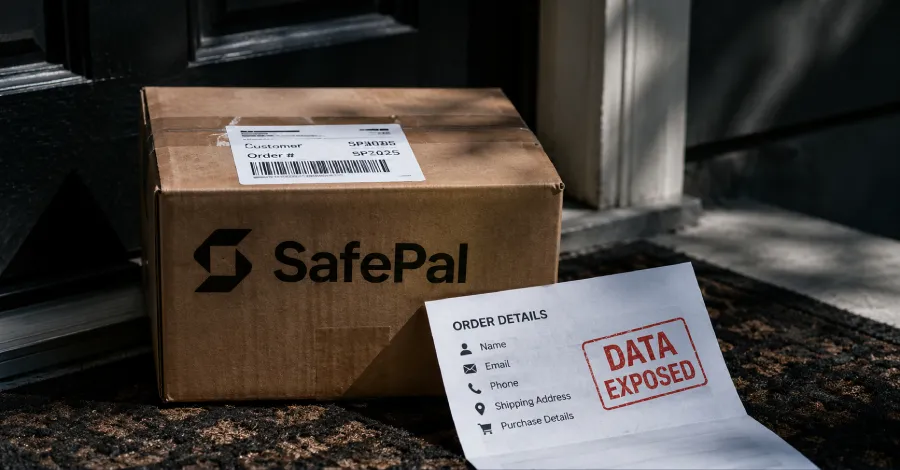
The rise of cryptocurrency has opened new avenues for investment and financial freedom, but it has also attracted cybercriminals eager to exploit vulnerabilities in the ecosystem. Recently, SafePal, a prominent hardware wallet manufacturer, revealed a serious data breach that has exposed the information of nearly 40,000 users. This incident not only raises alarms about the security measures in place for digital asset storage but also highlights the broader implications of data exposure in an increasingly interconnected world.
SafePal's hardware wallets are designed to offer a secure way to store cryptocurrencies offline, minimizing the risk of online hacks that have plagued many exchanges and wallets. However, the recent breach has left customers questioning the integrity of the systems meant to protect their investments. The exposed data may include sensitive personal information, potentially leading to phishing attacks and other forms of identity theft. As we delve deeper into the ramifications of this incident, it becomes crucial for users and businesses alike to understand how to navigate the treacherous waters of digital security.
Understanding the Breach: What Happened?
SafePal disclosed that the breach occurred due to a vulnerability in their user database, which was exploited by hackers. The exposed information included email addresses, names, and other identifiable details of users who had registered for services. Such leaks can have severe consequences, especially in the cryptocurrency sector, where anonymity is often a key selling point.
The company has since taken measures to mitigate the damage and is working closely with cybersecurity experts to investigate the full scope of the breach. However, the incident serves as a stark reminder of the vulnerabilities that even well-established companies can face.
The Implications for Customers
The fallout from the SafePal data breach is multifaceted. Here are a few key implications for affected customers:
- Increased Risk of Phishing Attacks: With email addresses and names exposed, customers may find themselves targeted by phishing schemes designed to steal additional personal information or even cryptocurrency.
- Trust Erosion: Customers who relied on SafePal’s promise of security may feel betrayed, leading to a loss of trust not only in the company but in hardware wallets as a whole.
- Potential Financial Loss: If attackers successfully leverage the exposed data, customers could face financial losses through unauthorized access to their accounts.
Customers must take immediate action to protect themselves, including changing passwords, enabling two-factor authentication, and monitoring their accounts for suspicious activity.

Broader Context: The State of Cybersecurity in Cryptocurrency
The SafePal incident is part of a larger trend in the cryptocurrency space, where breaches and hacks have become alarmingly common. According to a report from Chainalysis, over $3.2 billion was lost to hacks and scams in 2022 alone. This growing threat landscape calls for heightened vigilance from both companies and users.
Many businesses in the cryptocurrency sector are still catching up with cybersecurity best practices. The rapid pace of innovation often outstrips the implementation of robust security measures. This is particularly true for smaller firms and startups, which may lack the resources to invest in comprehensive security infrastructures.
As the cryptocurrency market matures, it will be essential for companies to prioritize security in their operations. This includes regular audits, penetration testing, and user education to ensure customers understand the risks associated with digital asset management.

What Users Should Do Following the Breach
In light of the SafePal data exposure, users must take proactive steps to safeguard their digital assets. Here are several recommendations:
- Change Passwords: Immediately update passwords for accounts linked to SafePal and other cryptocurrency platforms.
- Enable Two-Factor Authentication: Ensure that two-factor authentication is activated wherever possible to create an additional layer of security.
- Monitor Accounts: Keep a close eye on all accounts for any unauthorized transactions or suspicious activities.
- Be Wary of Phishing Attempts: Stay alert for emails or messages that request personal information, especially those claiming to be from SafePal or other related services.
By taking these precautions, users can mitigate the risks stemming from the breach and protect their investments.
Key Takeaways
- SafePal's data breach has exposed information of nearly 40,000 customers.
- Users are at risk of phishing attacks and potential financial loss.
- Immediate action is required to safeguard personal information and digital assets.
- The incident highlights ongoing cybersecurity challenges in the cryptocurrency industry.
Frequently Asked Questions
What specific information was exposed in the SafePal breach?
The breach exposed personal information such as names and email addresses of nearly 40,000 customers. While the company has not disclosed if financial information or private keys were compromised, the exposed data is still sufficient for attackers to launch phishing campaigns and potentially gain further access to user accounts.
What steps is SafePal taking in response to the breach?
SafePal has initiated an investigation into the breach and is collaborating with cybersecurity experts to assess the extent of the damage. They have also communicated with affected customers to inform them of the situation and provide guidance on how to protect their accounts.
How can users protect themselves from phishing attacks following the breach?
Users can protect themselves by being vigilant about unsolicited communications that request personal information. It’s essential to verify the legitimacy of any message by checking the sender’s email address and not clicking on any suspicious links. Furthermore, users should implement security measures like two-factor authentication to add an extra layer of protection.
What does this breach mean for the future of cryptocurrency security?
The SafePal incident underscores the urgent need for improved cybersecurity measures within the cryptocurrency industry. As the market continues to evolve, companies must prioritize robust security frameworks to safeguard user data and build trust within the community. This could involve adopting advanced encryption techniques, regular security audits, and enhanced user education to mitigate risks associated with digital asset management.
Comments
OpenAI Reinforces Security Measures Following Hugging Face Breach
In response to increasing risks associated with AI model development, OpenAI has unveiled new security protocols aimed at enhancing monitoring and safeguarding practices. These changes come on the heels of the Hugging Face breach, prompting a reevaluation of how AI models are tested and monitored.

Related articles




Popular in Cybersecurity
- Federal Mandate for Autonomous Vehicles: A Call for Safety Compliance
- EU Mandates Google to Share Data and Open AI on Android: What It Means
- GitHub Revamps Bug Bounty Program: Implications for Developers and Security
- Australian Government Disables Thousands of Functional Broadband Routers: A Wasteful Decision
- Exploiting Redis: Understanding Zero-Day Vulnerabilities and Their Mitigation