TWINLOOT: The Cyber Threat Leveraging SharePoint and Teams for Credential Theft
The TWINLOOT campaign exploits Microsoft SharePoint and Teams to steal credentials, posing a serious threat to organizations. Understanding this attack vector is essential for cybersecurity professionals.
The rise of remote work has transformed the way organizations operate, leading to an increased reliance on cloud-based collaboration tools such as Microsoft SharePoint and Teams. However, while these platforms provide seamless communication and file-sharing capabilities, they have also become prime targets for cybercriminals. One notable threat actor, known as TWINLOOT, has demonstrated a highly sophisticated approach to exploiting these platforms, enabling them to steal credentials and move laterally across networks. This article delves into the mechanics of the TWINLOOT campaign, its implications for organizations, and actionable steps that can be taken to mitigate the risks associated with such attacks.
The Mechanics of TWINLOOT: How Credential Theft Works
TWINLOOT's strategy hinges on exploiting vulnerabilities inherent in widely used collaboration tools. By targeting Microsoft SharePoint and Teams, attackers can intercept credentials, which are the keys to an organization's digital kingdom. These platforms often facilitate the sharing of sensitive information, making them attractive targets for cybercriminals. Once they gain access to user credentials, the attackers can infiltrate systems, steal data, and even escalate their privileges across the network.
Credential Theft Techniques
One of the primary methods used by TWINLOOT involves spear-phishing campaigns, where attackers send deceptively crafted emails to trick users into revealing their login information. By impersonating legitimate colleagues or business partners, these emails can bypass normal security protocols, leading unsuspecting users to malicious sites designed to capture their credentials. Once the attackers have this information, they can execute a series of lateral movements within the network, searching for high-value targets.

The Consequences of Credential Compromise
When TWINLOOT succeeds in stealing credentials, the consequences can be severe. Organizations may experience data breaches that lead to financial loss, reputational damage, and regulatory fines. Moreover, the lateral movement facilitated by stolen credentials often enables attackers to access sensitive data that can be used for further malicious activities, including selling information on the dark web or launching additional attacks on third-party partners.
Real-World Implications
Several organizations have reported incidents linked to TWINLOOT, highlighting the importance of proactive cybersecurity measures. For instance, a large healthcare provider experienced a breach after attackers exploited its SharePoint environment, gaining access to sensitive patient records and financial data. This incident not only impacted the organization financially but also resulted in a loss of patient trust and a comprehensive investigation by regulatory bodies.
Preventing TWINLOOT Attacks: Key Strategies
Defending against the TWINLOOT threat requires a multifaceted approach tailored to the unique vulnerabilities of collaboration tools. Below are some key strategies that organizations can implement to safeguard their environments:
- Enhanced User Training: Regularly train employees to recognize phishing attempts and understand the importance of safeguarding their credentials.
- Multi-Factor Authentication (MFA): Implement MFA to add an additional layer of security, making it more difficult for attackers to access accounts even if credentials are compromised.
- Regular Audits: Conduct frequent security audits of collaboration tools to identify and remediate vulnerabilities.
- Incident Response Plans: Develop and maintain a comprehensive incident response plan to swiftly address any breaches that may occur.

Understanding Cross-Domain Privilege Escalation
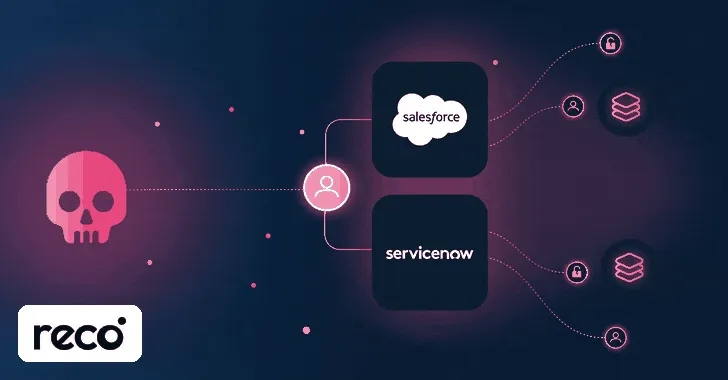
One of the most concerning aspects of TWINLOOT's tactics is their focus on cross-domain privilege escalation. This technique allows attackers to leverage stolen credentials to gain access to multiple domains within an organization, significantly increasing the potential impact of an attack. By mapping out active attack paths, organizations can identify key choke points in their security infrastructure and implement measures to sever these routes, effectively reducing the risk of a successful breach.
Mapping Active Attack Paths
To effectively combat the cross-domain privilege escalation employed by TWINLOOT, security teams must engage in thorough mapping of their network environments. This involves identifying potential attack vectors and understanding how different systems and users interact. By analyzing user behaviors and access patterns, organizations can pinpoint areas where controls may be weak and take proactive steps to strengthen their defenses.
Key Takeaways
- TWINLOOT exploits Microsoft SharePoint and Teams to steal credentials, posing a significant threat to organizations.
- Credential theft can lead to severe consequences, including financial loss and reputational damage.
- Implementing strategies such as user training, MFA, and regular audits can help mitigate the risk of TWINLOOT attacks.
- Understanding cross-domain privilege escalation is essential for mapping and securing against potential attack paths.
Frequently Asked Questions
What are the signs of a TWINLOOT attack?
Organizations may notice unusual account activity, such as changes in file access patterns, unauthorized logins, or unfamiliar devices accessing accounts. Additionally, employees may report phishing emails or suspicious communications from colleagues. Recognizing these signs early can help organizations respond quickly and limit the potential damage.
How can organizations recover from a TWINLOOT attack?
Recovery from a TWINLOOT attack involves several steps, including conducting a thorough investigation to understand the extent of the breach, notifying affected parties, and implementing stronger security measures to prevent future incidents. Organizations should also review their incident response plans to identify any gaps in their responses and improve them for future readiness.
Is it possible to completely prevent credential theft?
While it may not be possible to eliminate all risks associated with credential theft, organizations can significantly reduce their vulnerability by implementing a combination of strong security measures, such as MFA, regular audits, and user training. A proactive and layered approach to cybersecurity will help mitigate the impact of potential attacks.
Comments
OpenAI Reinforces Security Measures Following Hugging Face Breach
In response to increasing risks associated with AI model development, OpenAI has unveiled new security protocols aimed at enhancing monitoring and safeguarding practices. These changes come on the heels of the Hugging Face breach, prompting a reevaluation of how AI models are tested and monitored.

Related articles


Popular in Cybersecurity
- Federal Mandate for Autonomous Vehicles: A Call for Safety Compliance
- EU Mandates Google to Share Data and Open AI on Android: What It Means
- GitHub Revamps Bug Bounty Program: Implications for Developers and Security
- Australian Government Disables Thousands of Functional Broadband Routers: A Wasteful Decision
- Exploiting Redis: Understanding Zero-Day Vulnerabilities and Their Mitigation