Understanding AI Mind Viruses: The Threat of Persistent Prompt Files
As AI technologies evolve, so do the risks associated with them. This article delves into how 'mind viruses' can spread between agents via persistent prompt files, highlighting the implications for cybersecurity.

The digital landscape is rapidly evolving, bringing with it not just exciting innovations but also complex threats that can undermine cybersecurity. Among these emerging risks are what experts are calling "mind viruses"—malicious AI prompts that can proliferate among agents through persistent prompt files. As organizations increasingly rely on AI-powered tools for everything from customer service to data analysis, understanding the mechanisms of these threats is paramount. This article will explore how mind viruses operate, their implications for cybersecurity, and actionable steps businesses can take to protect themselves.
The Mechanics of AI Mind Viruses
At the heart of the phenomenon known as mind viruses is the concept of persistent prompt files. These are essentially stored prompts that AI agents use to generate responses or carry out tasks. However, when these prompts are maliciously crafted, they can lead to unintended consequences. A mind virus can embed itself within a prompt file, enabling it to replicate and spread across different AI systems.
How They Spread
Mind viruses can spread through various channels:
- Shared Data Repositories: When AI agents access common databases or repositories, a compromised prompt file can infect multiple systems.
- Collaboration Platforms: Tools like Slack or Microsoft Teams can inadvertently share infected prompts among users.
- APIs and Integrations: Third-party integrations can introduce vulnerabilities if prompt files are not adequately vetted.

Real-World Examples of Identity Exposure
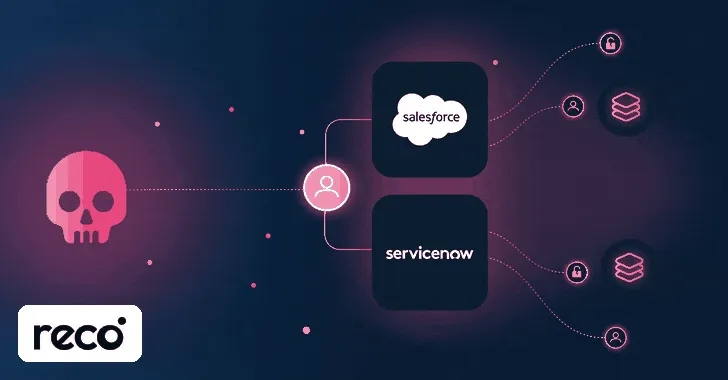
Identity exposure remains a prominent issue in cybersecurity, providing a gateway for active attack paths. Here are some real-world scenarios where identity exposure has led to significant breaches:
Case Studies
- Healthcare Data Breach: An AI system in a healthcare provider's network was compromised due to poorly secured prompt files, leading to the exposure of sensitive patient information.
- Financial Services Incident: A banking institution faced a massive data leak when an AI tool's prompt file allowed unauthorized access to customer accounts.
- Retail Sector Attack: A major retailer's chatbot was manipulated, resulting in the breach of customer identities and payment information.

Cross-Domain Privilege Escalation
To effectively counteract the threat of mind viruses and identity exposure, organizations must understand the concept of cross-domain privilege escalation. This refers to the ability of an attacker to gain elevated access rights across different systems or domains, which can occur when one compromised AI agent interacts with another.
Choke Points in Security
Identifying choke points in an organization's security architecture is essential for preventing breaches. Common choke points include:
- User Authentication Systems: Weak authentication methods can allow attackers to exploit compromised prompt files.
- Legacy Systems: Older systems may not have the necessary defenses against evolving AI threats.
- Data Access Controls: Inadequate controls can expose critical data to AI agents that are not properly secured.

What Organizations Can Do
To mitigate the risks posed by mind viruses and identity exposure, organizations need to adopt a proactive stance on cybersecurity. Here are some recommended strategies:
- Regular Audits: Conduct regular audits of AI systems and prompt files to identify vulnerabilities.
- Employee Training: Provide training on recognizing phishing attempts and the importance of secure prompt handling.
- Access Controls: Implement strict access controls to limit who can create or modify prompt files.
- Incident Response Plans: Develop and maintain a robust incident response plan to quickly address breaches when they occur.
Key Takeaways
- Mind viruses can spread through persistent prompt files, posing significant cybersecurity risks.
- Real-world identity exposure cases highlight vulnerabilities in AI systems.
- Cross-domain privilege escalation can exacerbate breaches if not adequately managed.
- Proactive strategies, including regular audits and employee training, are essential for defense.
Frequently Asked Questions
What exactly are mind viruses in AI?
Mind viruses refer to malicious prompts that can infect AI systems, causing unintended behaviors or breaches. They can propagate through shared files, databases, or collaborative platforms, making them a significant threat in environments where AI agents interact.
How can organizations detect if they are affected by a mind virus?
Detection can be challenging, but organizations should look for unusual patterns in AI behaviors, unexpected data outputs, or unauthorized access attempts. Conducting regular audits and employing monitoring tools can help identify potential mind virus activity.
Are there any legal implications associated with identity exposure in AI?
Yes, organizations can face legal repercussions if they fail to protect sensitive data adequately. Compliance with regulations such as GDPR or HIPAA is critical, and breaches can lead to severe fines and reputational damage.
What role do employees play in preventing mind viruses?
Employees are the first line of defense against cybersecurity threats, including mind viruses. Training them to recognize phishing attempts, follow secure practices, and report suspicious activities can significantly reduce the risk of breaches.
Comments
OpenAI Reinforces Security Measures Following Hugging Face Breach
In response to increasing risks associated with AI model development, OpenAI has unveiled new security protocols aimed at enhancing monitoring and safeguarding practices. These changes come on the heels of the Hugging Face breach, prompting a reevaluation of how AI models are tested and monitored.

Related articles





Popular in Cybersecurity
- Federal Mandate for Autonomous Vehicles: A Call for Safety Compliance
- EU Mandates Google to Share Data and Open AI on Android: What It Means
- GitHub Revamps Bug Bounty Program: Implications for Developers and Security
- Australian Government Disables Thousands of Functional Broadband Routers: A Wasteful Decision
- Exploiting Redis: Understanding Zero-Day Vulnerabilities and Their Mitigation