How Identity Exposure in Salesforce and ServiceNow Creates Cyber Risks
Identity exposure in major platforms like Salesforce and ServiceNow has serious implications for cybersecurity. This article explores real-world attack scenarios and prevention strategies.
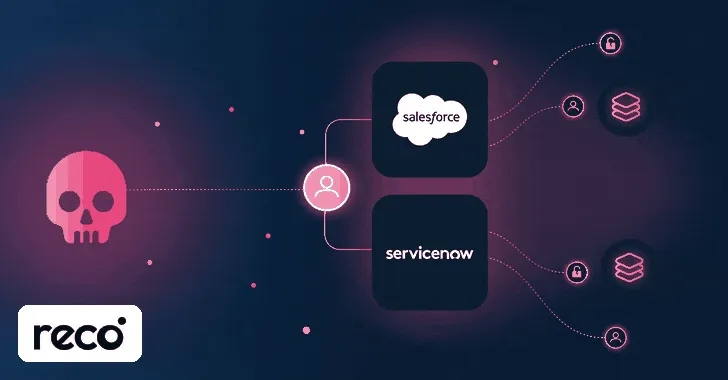
As organizations increasingly rely on cloud-based platforms like Salesforce and ServiceNow, the potential for identity exposure becomes a significant cybersecurity concern. With the rise of sophisticated cyber attackers, vulnerabilities in identity management can pave the way for serious breaches, allowing malicious actors to exploit cross-domain privilege escalation and other weaknesses. In this article, we delve into the implications of identity exposure, highlighting real attack stories, and providing actionable advice for organizations to shore up their defenses.
The Growing Threat of Identity Exposure
Identity exposure occurs when sensitive user information is inadequately protected, enabling attackers to gain unauthorized access to systems and data. This risk is particularly pronounced in platforms like Salesforce and ServiceNow, which serve as critical infrastructures for many businesses. With millions of users and vast amounts of sensitive data, these platforms are prime targets for attackers looking to exploit weaknesses.
Understanding Cross-Domain Privilege Escalation
Cross-domain privilege escalation refers to a tactic where attackers exploit vulnerabilities across different domains or platforms to elevate their access privileges. This means that if an attacker gains access to one system, they can leverage that access to infiltrate others, creating a chain reaction of security breaches. For instance, an attacker could exploit a compromised user account in Salesforce to access ServiceNow, leading to unauthorized data exposure and potential financial losses.

Real-World Attack Scenarios
Examining real incidents helps illustrate the risks associated with identity exposure. In one notable case, a single attacker managed to scrape data from both Salesforce and ServiceNow over several months. This breach resulted in the exposure of sensitive customer information and internal project details, highlighting the interconnected risks of having multiple platforms.
Case Study: The Salesforce-Servicenow Connection
In this scenario, the attacker initially gained access to Salesforce through a phishing email targeting a high-level executive. Once inside, they exploited weak password policies and insufficient multifactor authentication (MFA) to scrape sensitive data. With this data, they pivoted to ServiceNow, using the information gleaned to reset passwords and escalate their privileges, effectively gaining control over critical business workflows.
Pivotal Lessons Learned
This case underscores the importance of robust identity protection measures. Organizations should ensure that all platforms are equipped with strong password policies, regular audits, and comprehensive training on recognizing phishing attempts. Furthermore, implementing MFA across all systems can serve as a powerful deterrent against unauthorized access.

Best Practices for Mitigating Identity Exposure
To protect against identity exposure, businesses must adopt a multi-faceted approach to security. Here are some best practices that can significantly reduce the risk of breaches:
- Implement Multi-Factor Authentication (MFA): Ensure that all user accounts have MFA enabled to add an extra layer of security.
- Regularly Update Password Policies: Enforce strong password requirements and encourage regular password updates.
- Conduct Security Audits: Regularly audit access logs and user permissions to detect any anomalies or unauthorized access.
- Provide Cybersecurity Training: Train employees on cybersecurity awareness, focusing on phishing and social engineering tactics.
- Utilize Threat Detection Tools: Invest in advanced threat detection systems that can identify unusual access patterns.

Key Takeaways
- Identity exposure poses a significant risk in platforms like Salesforce and ServiceNow.
- Cross-domain privilege escalation can lead to severe data breaches.
- Implementing MFA and robust password policies is critical for protection.
- Regular audits and employee training are essential components of a comprehensive cybersecurity strategy.
Frequently Asked Questions
What are the main risks associated with identity exposure?
Identity exposure can lead to unauthorized access to sensitive data, financial loss, and damage to an organization’s reputation. When attackers exploit identity vulnerabilities, they can gain entry to multiple systems, compounding the potential for damage across interconnected platforms.
How can organizations improve their identity management practices?
Organizations can enhance their identity management by implementing strict access controls, utilizing MFA, and regularly reviewing user access privileges. Additionally, they should enforce strong password policies and provide ongoing cybersecurity training to employees to mitigate risks associated with identity exposure.
What role does employee training play in cybersecurity?
Employee training is a critical component of cybersecurity, as human error is often the weakest link in security protocols. By educating employees about potential threats, such as phishing and social engineering tactics, organizations can reduce the likelihood of successful attacks and foster a culture of security awareness.
How often should organizations conduct security audits?
Organizations should conduct security audits at least quarterly to ensure that access controls are functioning correctly and to identify any potential vulnerabilities. Regular audits help maintain an up-to-date understanding of security posture and can quickly address any emerging threats.
Comments
OpenAI Reinforces Security Measures Following Hugging Face Breach
In response to increasing risks associated with AI model development, OpenAI has unveiled new security protocols aimed at enhancing monitoring and safeguarding practices. These changes come on the heels of the Hugging Face breach, prompting a reevaluation of how AI models are tested and monitored.

Related articles



Popular in Cybersecurity
- Federal Mandate for Autonomous Vehicles: A Call for Safety Compliance
- EU Mandates Google to Share Data and Open AI on Android: What It Means
- GitHub Revamps Bug Bounty Program: Implications for Developers and Security
- Australian Government Disables Thousands of Functional Broadband Routers: A Wasteful Decision
- Exploiting Redis: Understanding Zero-Day Vulnerabilities and Their Mitigation