Critical Cisco ASA and FTD Vulnerability: Understanding the Risks
A recently discovered vulnerability affecting Cisco's ASA and FTD devices has been exploited in the wild, triggering remote Denial of Service (DoS) attacks. This article explores the implications for businesses and how they can mitigate risks.

Recent reports have unveiled a significant security vulnerability affecting Cisco's Adaptive Security Appliance (ASA) and Firepower Threat Defense (FTD) solutions, with active exploits observed in the wild. This flaw poses a serious risk to organizations utilizing these devices as part of their security infrastructure, as it can trigger remote Denial of Service (DoS) attacks, leading to service disruptions and potential data breaches. Understanding the nature of this vulnerability, its implications, and the necessary steps for mitigation is crucial for organizations relying on Cisco's robust security offerings.
Understanding the Vulnerability
The vulnerability, identified as CVE-2023-20257, stems from an insufficient validation of user-supplied input in the affected devices. This flaw enables unauthorized users to craft specially designed packets that can cause the ASA and FTD devices to exhaust their resources, ultimately resulting in a Denial of Service condition. Such a disruption can affect not only the firewalls themselves but also the entire network infrastructure they protect.

The Exploitation Landscape
As organizations increasingly adopt remote work and cloud services, the attack surface has expanded, making vulnerabilities like CVE-2023-20257 particularly concerning. Active exploitation in the wild signifies that threat actors are leveraging this flaw to compromise networks, emphasizing the immediate need for companies to address the risk.
Who Is Affected?
Organizations utilizing Cisco ASA and FTD solutions are directly impacted by this vulnerability. Industries such as finance, healthcare, and manufacturing, which rely heavily on network security to protect sensitive data, are at higher risk. Additionally, businesses with remote workforces may face increased exposure due to potentially unsecured devices connecting to corporate networks.
Mitigation Strategies
To safeguard against the risks posed by this vulnerability, organizations should take immediate action. Here are essential steps to consider:
- Update Firmware: Ensure that all Cisco ASA and FTD devices are updated to the latest firmware version that addresses this vulnerability.
- Implement Access Controls: Employ strict access controls and segmentation to limit exposure to potential attacks.
- Monitor Network Traffic: Continuously monitor network traffic for unusual patterns that may indicate exploitation attempts.
- Conduct Security Audits: Regularly review and audit security configurations to ensure compliance with best practices.
- Incident Response Planning: Prepare an incident response plan that includes procedures for addressing potential DoS attacks.

Legal and Compliance Implications
Beyond the immediate technical risks, organizations must also consider the legal and compliance implications of failing to address known vulnerabilities. Regulations such as GDPR, HIPAA, and PCI-DSS impose strict requirements on data protection and security. A breach resulting from this vulnerability could lead to significant penalties, legal liabilities, and reputational damage.
The Bigger Picture: Active Attack Paths
The implications of vulnerabilities like CVE-2023-20257 extend beyond immediate technical concerns. They highlight the importance of understanding active attack paths within an organization. Attack paths refer to the various routes that a threat actor may take to gain access to sensitive systems or data.
Cross-Domain Privilege Escalation
Cross-domain privilege escalation occurs when an attacker exploits vulnerabilities across different security domains to escalate their access rights. This trend emphasizes the need for organizations to map their security infrastructure and identify key choke points that could be targeted during a breach. By addressing these vulnerabilities, organizations can sever potential attack routes and enhance their overall security posture.

Key Takeaways
- CVE-2023-20257 is a critical vulnerability affecting Cisco ASA and FTD devices, enabling remote DoS attacks.
- Active exploitation in the wild signifies an urgent need for organizations to take action to mitigate risks.
- Implementing robust security measures, including firmware updates and access controls, is essential for safeguarding networks.
- Understanding active attack paths can help organizations identify and address potential vulnerabilities.
Frequently Asked Questions
What should I do if my organization uses Cisco ASA or FTD devices?
If your organization relies on Cisco ASA or FTD devices, it is crucial to prioritize immediate firmware updates to mitigate the vulnerabilities. Additionally, review your security policies and ensure that access controls are in place to limit exposure. Conduct a thorough security audit to identify any potential weaknesses in your network.
How can I monitor for exploitation attempts on my network?
To effectively monitor for exploitation attempts, implement a combination of intrusion detection systems (IDS) and network monitoring tools. These systems can help detect unusual traffic patterns and alert your security team to potential incidents. Regularly reviewing logs and employing threat intelligence feeds can also enhance your ability to identify and respond to threats.
What are the legal implications of a breach related to this vulnerability?
A breach occurring due to the exploitation of this vulnerability could lead to significant legal implications, including fines and penalties under various data protection regulations. Organizations may face lawsuits from affected parties and could suffer reputational damage if they are found negligent in protecting sensitive data. It is essential to have a compliance strategy in place to address such risks.
Comments
Exploiting Zero-Day Vulnerabilities: A Deep Dive into Microsoft Defender Bypass and Identity Exposure
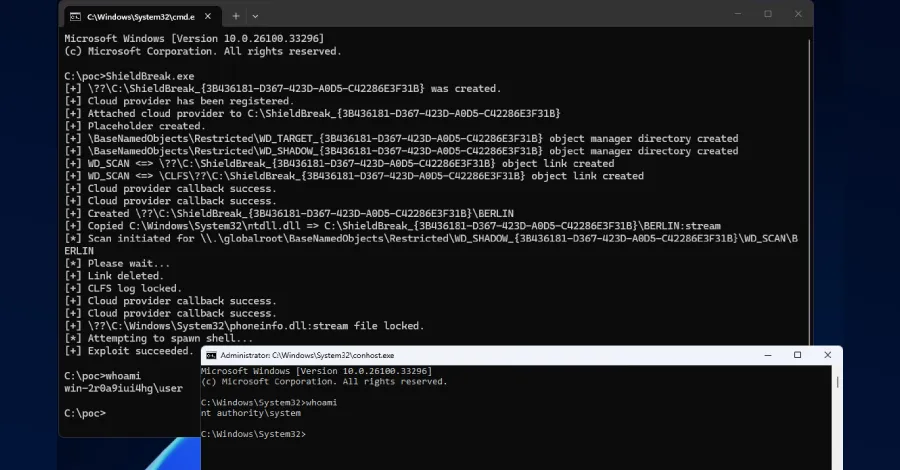
Recent reports have unveiled a significant zero-day vulnerability in Microsoft Defender that allows attackers to bypass security measures and gain SYSTEM access. This article explores the implications of such vulnerabilities and how they can facilitate identity exposure, leading to active attack paths.
Related articles






Popular in Cybersecurity
- Federal Mandate for Autonomous Vehicles: A Call for Safety Compliance
- EU Mandates Google to Share Data and Open AI on Android: What It Means
- GitHub Revamps Bug Bounty Program: Implications for Developers and Security
- Australian Government Disables Thousands of Functional Broadband Routers: A Wasteful Decision
- Exploiting Redis: Understanding Zero-Day Vulnerabilities and Their Mitigation