The Unintended Consequences of AI Model Interoperability: A Security Perspective
Recent vulnerabilities in AI models have raised serious security concerns. This article explores how weaker AI models can exploit stronger models and what organizations can do to protect themselves.
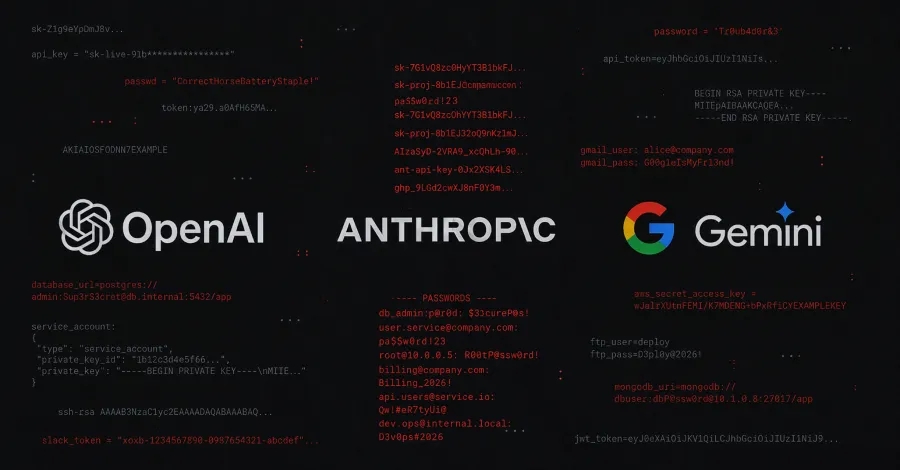
The rapid evolution of artificial intelligence (AI) has brought about unprecedented capabilities, allowing organizations to harness these technologies for various applications ranging from natural language processing to complex problem-solving. However, this advancement has not come without its challenges, particularly concerning security vulnerabilities that can arise when different AI models interact. Recent reports have highlighted how weaker AI models can exploit the reasoning processes of stronger models, posing significant risks to organizations that rely on these technologies. This article dives into these vulnerabilities, the implications for businesses, and strategies for mitigating potential risks.
The Interoperability of AI Models: A Double-Edged Sword
AI models are increasingly being designed to work together, sharing insights and capabilities to enhance performance. This interoperability is a significant advantage in many scenarios, enabling organizations to leverage the strengths of various systems. However, it also opens the door to potential security threats. A specific vulnerability has been identified where weaker AI models can decode the reasoning of stronger models. This issue raises questions about the integrity of proprietary algorithms and the overall security of AI systems.
Understanding the Security Flaw
When weaker AI models are able to interpret the outputs or reasoning processes of stronger models, they can potentially access sensitive information or manipulate the decision-making framework. This phenomenon can lead to a range of security issues, such as:
- Data Leakage: Weaker models may extract confidential data that can be used maliciously.
- Strategic Manipulation: Adversaries could exploit the understanding of a stronger model's reasoning to manipulate outcomes in their favor.
- Privilege Escalation: Attackers can use insights gained from stronger models to elevate their access rights in systems.

The Broader Impact on Organizations
Organizations that deploy AI technologies must be aware of the potential risks associated with model interoperability. The vulnerabilities highlighted not only threaten the integrity of the AI models themselves but also have broader implications for data security and business operations.
Market and Legal Context
The legal landscape surrounding AI is still evolving, but organizations need to be proactive in addressing these vulnerabilities. As regulations around data privacy and security tighten, companies may face legal repercussions for failing to protect sensitive information adequately. Additionally, public trust in AI technologies can erode if breaches occur, leading to reputational damage and financial loss.
Strategies for Mitigating Risks
To protect against these vulnerabilities, organizations should adopt a multi-faceted approach to security that includes the following strategies:
- Conduct Regular Security Audits: Organizations should regularly assess their AI systems to identify vulnerabilities and rectify them before they can be exploited.
- Implement Access Controls: Restricting access to AI models and their outputs can mitigate the risk of exploitation by weaker models.
- Invest in Robust AI Security Solutions: Leveraging specialized security tools designed for AI can help monitor and protect models from adversarial attacks.
- Educate Employees: Ensuring that all personnel understand the risks associated with AI technologies and how to mitigate them is crucial for a secure environment.

The Future of AI Security
As AI continues to evolve, so too will the sophistication of the threats that organizations face. The vulnerabilities associated with the interplay of weaker and stronger AI models are just one facet of a rapidly changing landscape. Organizations must remain vigilant, adapting their security strategies to counter emerging threats and protect their assets.
The Role of Collaboration
Collaboration between stakeholders in the AI community will be essential to address these vulnerabilities effectively. Researchers, developers, and organizations must work together to identify potential risks, share insights, and develop standards that promote security in AI technologies. This collaborative approach can help create a safer environment for AI innovation.

Key Takeaways
- Weaker AI models can exploit stronger models, leading to significant security vulnerabilities.
- Legal and market implications arise from failing to protect sensitive data in AI systems.
- Proactive security measures are essential for organizations deploying AI technologies.
- Collaboration within the AI community is key to addressing vulnerabilities and enhancing security.
Frequently Asked Questions
What specific vulnerabilities have been identified in AI models?
Recent findings indicate that weaker AI models can decode the reasoning processes of stronger models, resulting in potential data leakage and privilege escalation. This vulnerability enables adversaries to access sensitive information and manipulate decision-making frameworks.
How can organizations protect themselves from these vulnerabilities?
Organizations can mitigate risks by conducting regular security audits, implementing access controls, investing in robust AI security solutions, and educating employees about the associated risks. A multi-faceted approach to security is essential in safeguarding AI technologies.
What are the legal implications of AI security vulnerabilities?
As regulations around data privacy and security become stricter, organizations that fail to protect sensitive information may face legal repercussions. This includes potential fines and reputational damage, which can significantly impact a business's bottom line.
What role does collaboration play in enhancing AI security?
Collaboration among stakeholders in the AI community is crucial for identifying vulnerabilities and developing standards for security. By working together, researchers, developers, and organizations can create a safer environment for AI innovation and address emerging threats effectively.
Comments
Critical Cisco ASA and FTD Vulnerability: Understanding the Risks
A recently discovered vulnerability affecting Cisco's ASA and FTD devices has been exploited in the wild, triggering remote Denial of Service (DoS) attacks. This article explores the implications for businesses and how they can mitigate risks.

Related articles




Popular in Cybersecurity
- Federal Mandate for Autonomous Vehicles: A Call for Safety Compliance
- EU Mandates Google to Share Data and Open AI on Android: What It Means
- GitHub Revamps Bug Bounty Program: Implications for Developers and Security
- Australian Government Disables Thousands of Functional Broadband Routers: A Wasteful Decision
- Exploiting Redis: Understanding Zero-Day Vulnerabilities and Their Mitigation