Understanding the Risks of LiteLLM and the Trivy Hack: A Comprehensive Analysis
The recent Trivy hack has unveiled significant vulnerabilities linked to malicious LiteLLM releases, impacting over 2,100 organizations. This article delves into the implications of these security breaches and offers strategies for mitigating risks.
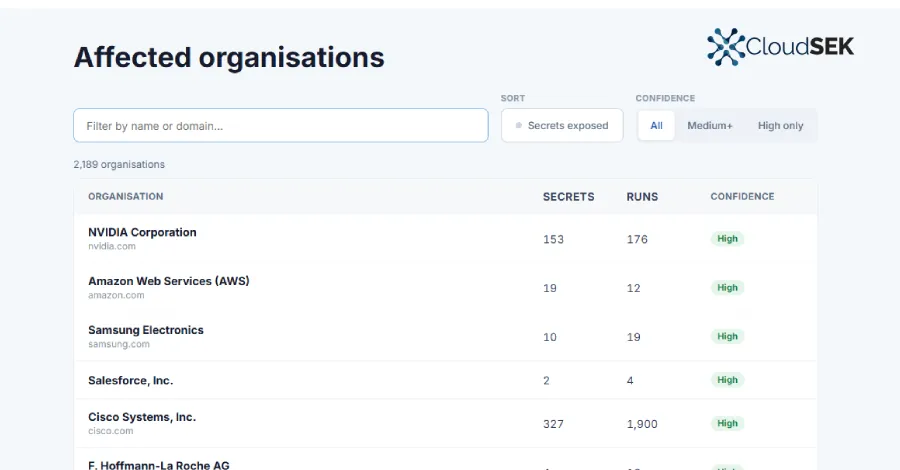
The cybersecurity landscape is ever-evolving, with new threats emerging as quickly as organizations can fortify their defenses. The recent hack involving Trivy, a popular open-source vulnerability scanner, has brought to light significant risks associated with malicious LiteLLM releases. With over 2,100 organizations potentially exposed, understanding the ramifications of this incident is crucial for stakeholders across the tech spectrum.
LiteLLM, a lightweight language model designed for various applications, has been increasingly integrated into machine learning workflows. However, the discovery of malicious versions of LiteLLM linked to the Trivy hack raises critical questions about software supply chain security. This article will explore the nature of these threats, their impact on organizations, and actionable strategies to safeguard against similar attacks in the future.
The Trivy Hack: Background and Implications
Trivy, developed by Aqua Security, is widely used for vulnerability scanning in containerized applications. As organizations increasingly adopt DevSecOps practices, tools like Trivy have become integral to securing development pipelines. However, the recent hack highlights vulnerabilities in the software supply chain that can be exploited by malicious actors.
In this instance, attackers distributed compromised LiteLLM releases that could infiltrate systems through trusted channels, thereby bypassing traditional security measures. The capability to execute arbitrary code on vulnerable systems poses a significant threat, particularly in environments that rely on continuous integration and deployment (CI/CD) practices.
Understanding LiteLLM and Its Vulnerabilities
LiteLLM's design caters to developers seeking efficient and lightweight models for natural language processing tasks. While the legitimate versions of LiteLLM are beneficial, the malicious iterations introduced during the Trivy incident expose organizations to grave risks. These compromised models can be weaponized to gain unauthorized access to sensitive data and systems.
Key Vulnerabilities
- Code Execution Risks: Malicious LiteLLM releases can execute arbitrary code, allowing attackers to gain control over affected systems.
- Supply Chain Attacks: The use of trusted tools like Trivy can lead to a false sense of security, making organizations vulnerable to supply chain attacks.
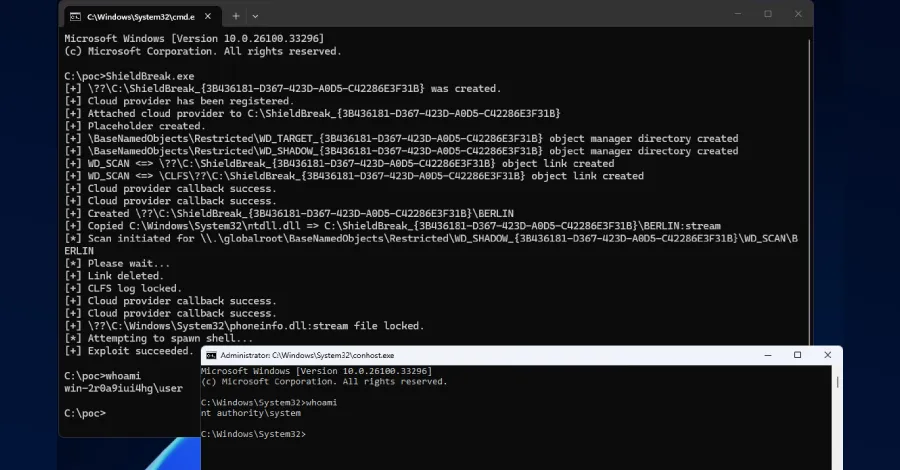
- Privilege Escalation: Attackers can exploit these vulnerabilities to escalate privileges, gaining access to higher-level permissions and sensitive data.
These vulnerabilities underscore the importance of rigorous vetting processes for software dependencies and the need for organizations to maintain a proactive security posture.

Mapping Attack Paths: Cross-Domain Privilege Escalation
One of the most concerning aspects of the Trivy hack is the potential for cross-domain privilege escalation. This vulnerability allows attackers to traverse different domains within an organization’s infrastructure, thereby severing traditional breach routes and exposing critical assets.
By exploiting weaknesses in access controls, attackers can gain footholds in less-secure domains and pivot to more secure areas of the network. Mapping these attack paths is vital for organizations to understand how breaches can occur and implement necessary countermeasures.
Strategies to Mitigate Risks
To effectively mitigate risks associated with malicious LiteLLM releases and similar threats, organizations should adopt a comprehensive security strategy that includes:
- Regular Vulnerability Scanning: Implement tools like Trivy to regularly scan for known vulnerabilities in applications and dependencies.
- Supply Chain Security Measures: Establish strict vetting processes for all third-party software and monitor for any updates or changes in dependencies.
- Access Control Reviews: Conduct regular reviews of access controls to ensure that permissions are appropriately assigned and monitored.
- Incident Response Planning: Develop and test an incident response plan to ensure readiness in the event of a security breach.
These strategies, when combined, can create a robust defense against evolving cybersecurity threats and help organizations maintain security resilience.

Key Takeaways
- The Trivy hack has exposed vulnerabilities linked to malicious LiteLLM releases affecting over 2,100 organizations.
- Compromised LiteLLM iterations can execute arbitrary code, leading to unauthorized access and privilege escalation.
- Mapping attack paths and understanding privilege escalation tactics are crucial for cybersecurity preparedness.
- Implementing regular vulnerability scans and strict supply chain security measures can significantly enhance organizational defenses.
Frequently Asked Questions
What is the Trivy hack, and why is it significant?
The Trivy hack refers to the compromise of the Trivy vulnerability scanner, which led to the distribution of malicious LiteLLM releases. This incident is significant because it affects thousands of organizations and highlights critical vulnerabilities in software supply chains, underscoring the need for enhanced security practices in development environments.
How can organizations protect themselves from similar hacks?
Organizations can protect themselves by implementing regular vulnerability scanning, conducting thorough vetting of third-party software, and maintaining strict access controls. Additionally, developing a robust incident response plan can help mitigate the impact of any potential breaches.
What are the risks associated with using third-party software?
Using third-party software can introduce several risks, including vulnerabilities that can be exploited by malicious actors, dependency conflicts, and potential supply chain attacks. Organizations must prioritize the security of their software supply chains to minimize these risks.
What steps should I take if my organization is affected?
If your organization is affected by a security breach, it is crucial to immediately activate your incident response plan, assess the extent of the breach, and take steps to contain the threat. Communicating with stakeholders and notifying affected parties is also essential to maintain transparency and trust.
Comments
Critical Cisco ASA and FTD Vulnerability: Understanding the Risks
A recently discovered vulnerability affecting Cisco's ASA and FTD devices has been exploited in the wild, triggering remote Denial of Service (DoS) attacks. This article explores the implications for businesses and how they can mitigate risks.
Related articles




Popular in Cybersecurity
- Federal Mandate for Autonomous Vehicles: A Call for Safety Compliance
- EU Mandates Google to Share Data and Open AI on Android: What It Means
- GitHub Revamps Bug Bounty Program: Implications for Developers and Security
- Australian Government Disables Thousands of Functional Broadband Routers: A Wasteful Decision
- Exploiting Redis: Understanding Zero-Day Vulnerabilities and Their Mitigation