Microsoft's Latest Patch: Addressing 398 Vulnerabilities and Zero-Day Threats
In its recent update, Microsoft patched 398 vulnerabilities, including a critical zero-day attack on Windows drivers. This article explores the implications for businesses and users.

In an era where cyber threats loom larger than ever, Microsoft has taken a significant step in safeguarding its users by releasing a patch for 398 vulnerabilities, including a particularly urgent zero-day flaw affecting Windows drivers that is currently under active attack. This latest update represents more than a mere routine fix; it embodies the ongoing battle in the tech landscape between malicious actors and cybersecurity experts. For businesses and individual users alike, understanding these vulnerabilities and the corresponding fixes is vital for maintaining security and operational integrity.
The importance of timely updates cannot be overstated. As cybercriminals continue to develop sophisticated methods to exploit security gaps, the onus is on software developers to respond effectively. Microsoft's latest patch not only addresses these critical vulnerabilities but also highlights the precarious nature of digital security today.
Understanding the Scale of the Vulnerabilities
The sheer number of vulnerabilities patched in this update—398—demonstrates the extensive landscape of potential weaknesses that exist within software ecosystems. Among these, the zero-day vulnerability related to Windows drivers is particularly concerning. Zero-day vulnerabilities are security flaws that are exploited before the vendor has released a fix, making them especially dangerous.
The Windows Driver Zero-Day
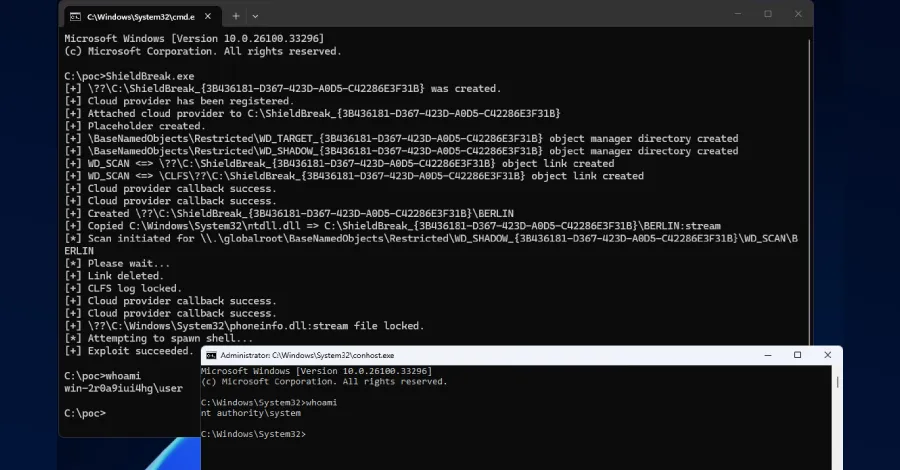
This particular flaw in Windows drivers allows attackers to gain elevated privileges on affected systems, which can lead to unauthorized access and control. When a vulnerability is actively exploited, it accelerates the urgency for businesses to patch their systems. Affected organizations need to act swiftly to mitigate the potential fallout from such breaches.
- 398 vulnerabilities patched in total.
- Critical zero-day flaw in Windows drivers under active attack.
- Zero-day vulnerabilities can lead to severe unauthorized access.

The Implications for Businesses and Users
For many organizations, especially those in the B2B sector, the implications of these vulnerabilities can be profound. A successful exploit can lead to data breaches, loss of sensitive information, and significant financial repercussions. Moreover, the trust that customers place in a business can erode rapidly following a security incident.
Proactive Measures to Take
Organizations should prioritize a proactive security posture. This includes not only applying patches promptly but also conducting regular security audits and training employees on best practices to recognize phishing attempts and other social engineering tactics. Effective monitoring and incident response strategies can also significantly reduce the impact of a potential breach.
The Role of Identity Exposure in Cybersecurity
Another critical aspect highlighted in recent discussions around cybersecurity is the role of identity exposure in creating active attack paths. As organizations adopt more complex IT infrastructures, understanding the interplay between different systems is crucial. Cross-domain privilege escalation can serve as a significant chokepoint in mitigating breaches.
Mapping Attack Paths
By mapping out potential attack paths, organizations can identify vulnerabilities that could be exploited by malicious actors. This proactive identification allows businesses to close gaps before they can be exploited, potentially saving them from costly breaches. Key choke points include:
- Authentication systems
- Access control measures
- Data encryption protocols

The Importance of Regular Updates
Regular software updates are essential not just for fixing vulnerabilities but also for staying ahead of emerging threats. Cybersecurity is a field that evolves rapidly, with new vulnerabilities discovered daily. Organizations should implement a systematic approach to updates, ensuring that all software, not just critical applications, is kept current.
End-User Responsibilities
End-users also play a pivotal role in maintaining cybersecurity. Simple actions like enabling automatic updates, employing strong, unique passwords, and being vigilant against suspicious emails can significantly reduce the risk of falling victim to an attack. Educating employees on cybersecurity awareness is crucial in building a robust defense against threats.

Key Takeaways
- Microsoft has patched 398 vulnerabilities, including a critical zero-day.
- Businesses need to act swiftly to mitigate risks from active threats.
- Mapping attack paths can help organizations identify and close vulnerabilities.
- Regular updates and employee training are vital for maintaining cybersecurity.
Frequently Asked Questions
What is a zero-day vulnerability?
A zero-day vulnerability refers to a flaw in software that is unknown to the vendor and has not yet been patched. This means that attackers can exploit this vulnerability before any defensive measures are in place, making it particularly dangerous for organizations.
How can businesses protect themselves from vulnerabilities?
Businesses can protect themselves by implementing a robust patch management policy, conducting regular security assessments, and training employees on cybersecurity best practices. Additionally, investing in security software and monitoring systems can help detect and respond to threats more effectively.
Why are identity exposures significant in cybersecurity?
Identity exposures can create pathways for attackers to escalate their privileges and access sensitive systems or data. Understanding how identities are managed across different platforms is critical for identifying vulnerabilities that could be exploited during an attack.
What should individuals do to enhance their cybersecurity?
Individuals should enable automatic updates on their devices, use strong and unique passwords, and remain vigilant against phishing attempts. Regularly reviewing account activity and security settings can also help detect any unauthorized access early.
Comments
Critical Cisco ASA and FTD Vulnerability: Understanding the Risks
A recently discovered vulnerability affecting Cisco's ASA and FTD devices has been exploited in the wild, triggering remote Denial of Service (DoS) attacks. This article explores the implications for businesses and how they can mitigate risks.

Related articles





Popular in Cybersecurity
- Federal Mandate for Autonomous Vehicles: A Call for Safety Compliance
- EU Mandates Google to Share Data and Open AI on Android: What It Means
- GitHub Revamps Bug Bounty Program: Implications for Developers and Security
- Australian Government Disables Thousands of Functional Broadband Routers: A Wasteful Decision
- Exploiting Redis: Understanding Zero-Day Vulnerabilities and Their Mitigation