The Rise of SignalTrace: How New Surveillance Tech Links Phones to License Plates
The advent of SignalTrace technology is revolutionizing surveillance by linking mobile devices to vehicles, raising significant privacy concerns. This article explores the implications and challenges of this new tracking method.
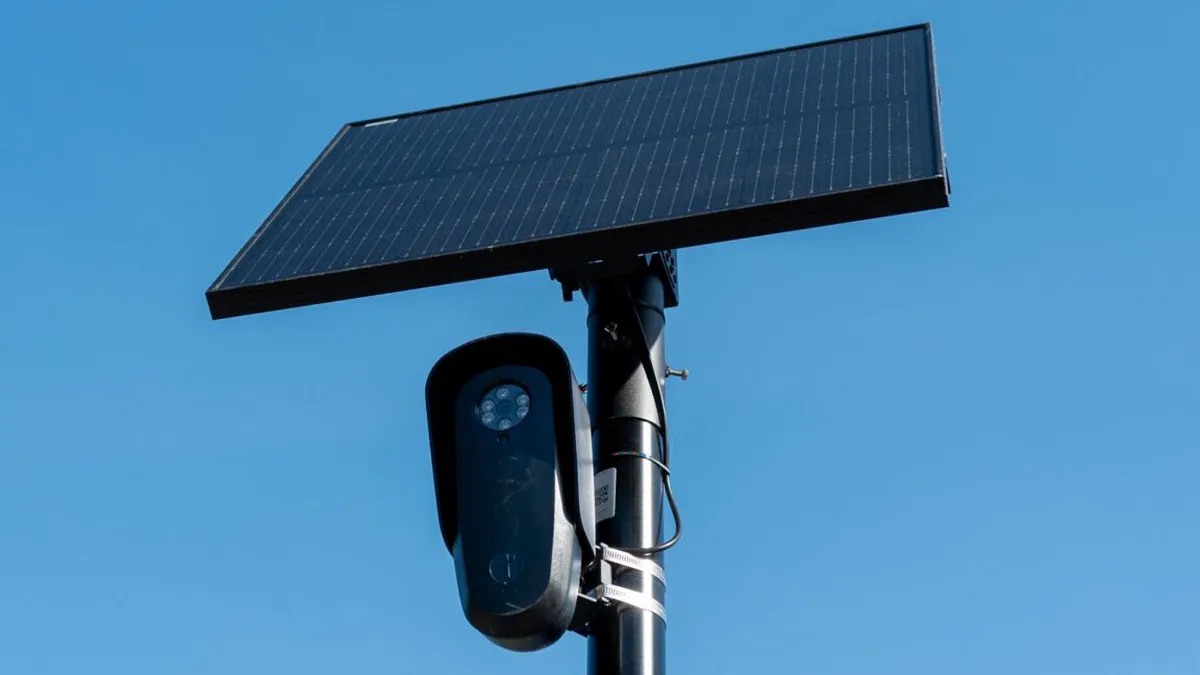
In an age where technology continually reshapes our daily lives, a new surveillance system is emerging that could change how law enforcement tracks individuals. Imagine driving to work while your phone quietly signals its presence to roadside cameras. As your vehicle passes by license plate readers, these cameras not only capture the plate but also pick up the Bluetooth signals emitted by your device. This scenario isn't a futuristic vision; it's the reality with the introduction of SignalTrace, a surveillance technology developed by Leonardo that raises critical questions about privacy and the extent of monitoring in our society.
SignalTrace operates by associating the signals emitted from personal devices—such as smartphones and smartwatches—with license plate data. Over time, this creates a digital footprint, linking individuals to specific vehicles and locations, even before law enforcement knows who they are. This advancement in surveillance technology is not merely about identifying individuals but rather about establishing patterns of behavior and associations based on the movements of electronic devices. The implications of such technology are profound and merit a closer examination.
Understanding SignalTrace Technology
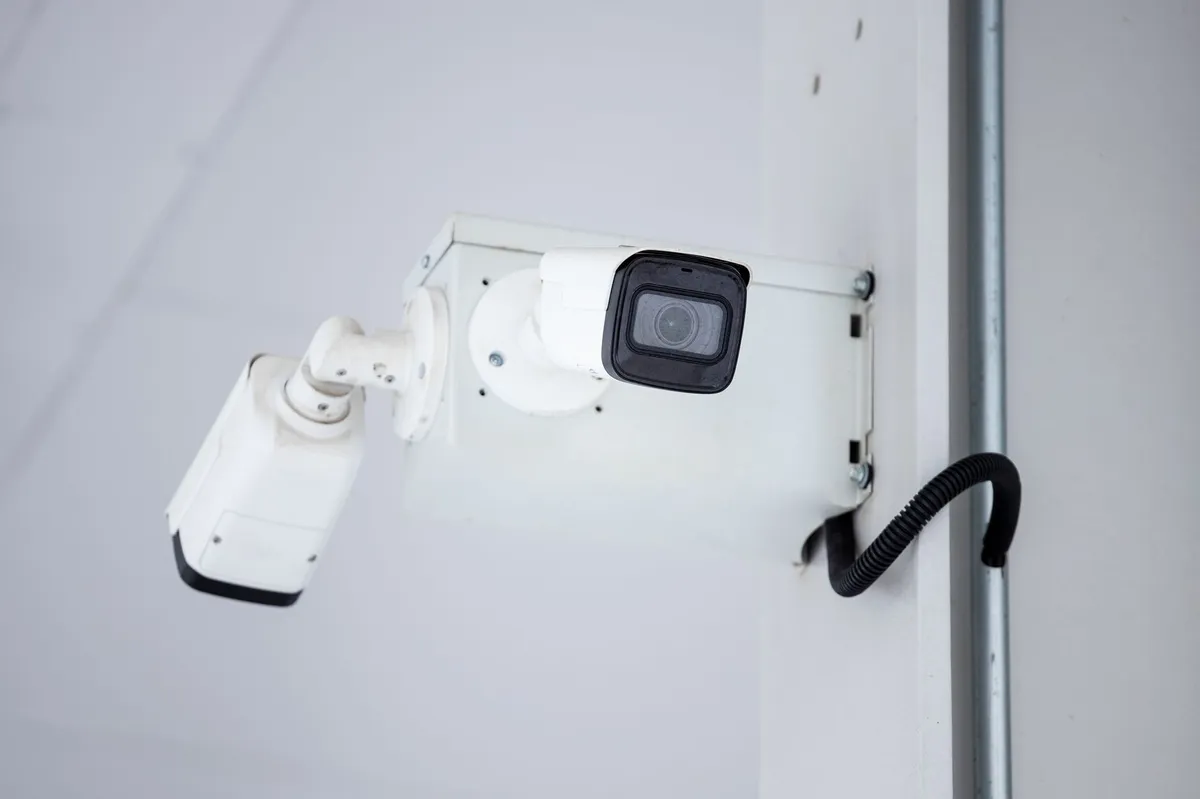
SignalTrace represents a significant step forward in surveillance capabilities. It operates alongside automatic license plate readers (ALPRs) and is designed to recognize clusters of consumer devices that frequently move together. By capturing the electronic signatures of these devices, it builds a profile of their movements, effectively creating a database that can be queried later by police investigators.
How It Works
The technology employs sensors that detect signals from devices in proximity, such as smartphones and other Bluetooth-enabled gadgets. While SignalTrace does not directly identify individuals, it collects data that can be correlated with existing records. For instance, if a certain device's signal consistently appears near a vehicle registered to a specific person, law enforcement can infer a connection, even without knowing the identity of the device's owner.
The Role of Modern Surveillance
Surveillance systems like SignalTrace are becoming increasingly common in urban environments. The technology is already in use in several locations, including Oxon Hill, Maryland, and appears on official state contract lists. This growing prevalence indicates a shift in how law enforcement approaches investigations, focusing more on movement patterns than on established identities.

Privacy Concerns and Legal Implications
As with any technology that collects personal data, the rise of SignalTrace raises significant privacy concerns. Critics argue that linking device signals to license plates can lead to unwarranted surveillance and tracking of individuals without their consent.
Defining Privacy in the Digital Age
Leonardo claims that SignalTrace does not identify individuals in the traditional sense. However, this assertion relies on a narrow definition of identity. According to the National Institute of Standards and Technology (NIST), personally identifiable information (PII) encompasses any data that can be used to trace an individual's identity, either directly or indirectly. Given this broader definition, the data collected by SignalTrace could be considered PII.
Legal Precedents
Recent legal cases, such as Carpenter v. United States and Chatrie v. United States, have recognized the privacy implications of location data. These rulings established that individuals have a reasonable expectation of privacy regarding their physical movements and that monitoring their location constitutes a Fourth Amendment search. While SignalTrace operates differently—focusing on signal detection rather than direct location tracking—the legal principles applied could still be relevant in determining the constitutionality of such surveillance techniques.

The Challenge of Association and Inference
A critical issue with SignalTrace is its reliance on association and inference. The technology may capture a range of devices that frequently appear together, leading law enforcement to draw conclusions about relationships among individuals based on proximity alone. This raises questions about the accuracy of such inferences and the potential for misidentification.
Understanding Relational Inference
Research has demonstrated that repeated proximity can reveal social ties. A study published in the journal Proceedings of the National Academy of Sciences found that behavioral patterns could accurately classify friendships based on phone proximity and communication patterns. This suggests that SignalTrace could similarly misinterpret innocent associations as suspicious behavior, leading to unwarranted scrutiny of individuals based solely on the devices they carry.
Implications for Social Movements
The potential for misuse is particularly concerning in contexts such as protests or social movements, where individuals may be unfairly targeted based on their proximity to others under investigation. The technology does not differentiate between benign gatherings and illicit activities, posing a risk to civil liberties and freedom of association.

Future Directions and Recommendations
As the capabilities of surveillance technology like SignalTrace continue to evolve, it is crucial for lawmakers, privacy advocates, and the public to engage in discussions about its implications. Striking a balance between public safety and individual privacy is essential, and it requires a careful examination of how such technologies are regulated.
Establishing Clear Guidelines
To protect citizens, clear guidelines governing the use of surveillance technologies must be established. This includes defining what constitutes acceptable use, how long data can be retained, and under what circumstances law enforcement can access this information. Transparency in how these systems operate and the data they collect is vital to maintaining public trust.
Empowering Individuals
Additionally, individuals should be informed about the technologies affecting their lives. Awareness campaigns can educate the public about how their devices interact with surveillance systems and the potential risks involved. Empowering citizens with knowledge can foster a culture of accountability and vigilance regarding their privacy rights.
Key Takeaways
- SignalTrace technology links mobile devices to vehicles, allowing law enforcement to track movements and associations without direct identification.
- The privacy implications of such surveillance systems are profound, raising questions about the definition of personally identifiable information.
- Legal precedents indicate a growing recognition of privacy rights concerning location and movement data.
- Association and inference can lead to misidentification and unwarranted scrutiny, particularly in contexts like protests.
- Establishing clear guidelines and empowering individuals are crucial steps in addressing the challenges posed by surveillance technologies.
Frequently Asked Questions
What is SignalTrace, and how does it work?
SignalTrace is a surveillance technology developed by Leonardo that connects mobile devices to license plates by capturing Bluetooth signals emitted from nearby devices. It builds profiles based on movement patterns, allowing law enforcement to track individuals without needing to know their identities initially.
Are there any legal protections for individuals regarding this technology?
While there are legal precedents addressing the privacy implications of location data, the application of these protections to systems like SignalTrace remains unclear. Courts have recognized a reasonable expectation of privacy concerning physical movements, but the interpretation of how signal detection fits within these legal frameworks is still evolving.
What are the potential risks of using SignalTrace in law enforcement?
The primary risks include unwarranted surveillance, misidentification, and the potential targeting of individuals based on their associations rather than their actions. This could disproportionately affect marginalized groups and undermine civil liberties.
How can individuals protect their privacy in light of such technologies?
Individuals can take proactive steps to protect their privacy by being aware of the technologies that track their movements and considering measures such as limiting Bluetooth use, understanding how data is collected, and advocating for stronger privacy protections in legislation.
Comments
Trump's FCC Appointments: A Shift Towards Republican Dominance
President Trump is reshaping the Federal Communications Commission (FCC) by nominating Danielle Thumann Severs, giving Republicans a 3-1 majority. This move breaks historical norms and raises questions about bipartisan representation in the agency.

Related articles






Popular in Cybersecurity
- Federal Mandate for Autonomous Vehicles: A Call for Safety Compliance
- EU Mandates Google to Share Data and Open AI on Android: What It Means
- GitHub Revamps Bug Bounty Program: Implications for Developers and Security
- Australian Government Disables Thousands of Functional Broadband Routers: A Wasteful Decision
- Exploiting Redis: Understanding Zero-Day Vulnerabilities and Their Mitigation