Trump's FCC Appointments: A Shift Towards Republican Dominance
President Trump is reshaping the Federal Communications Commission (FCC) by nominating Danielle Thumann Severs, giving Republicans a 3-1 majority. This move breaks historical norms and raises questions about bipartisan representation in the agency.
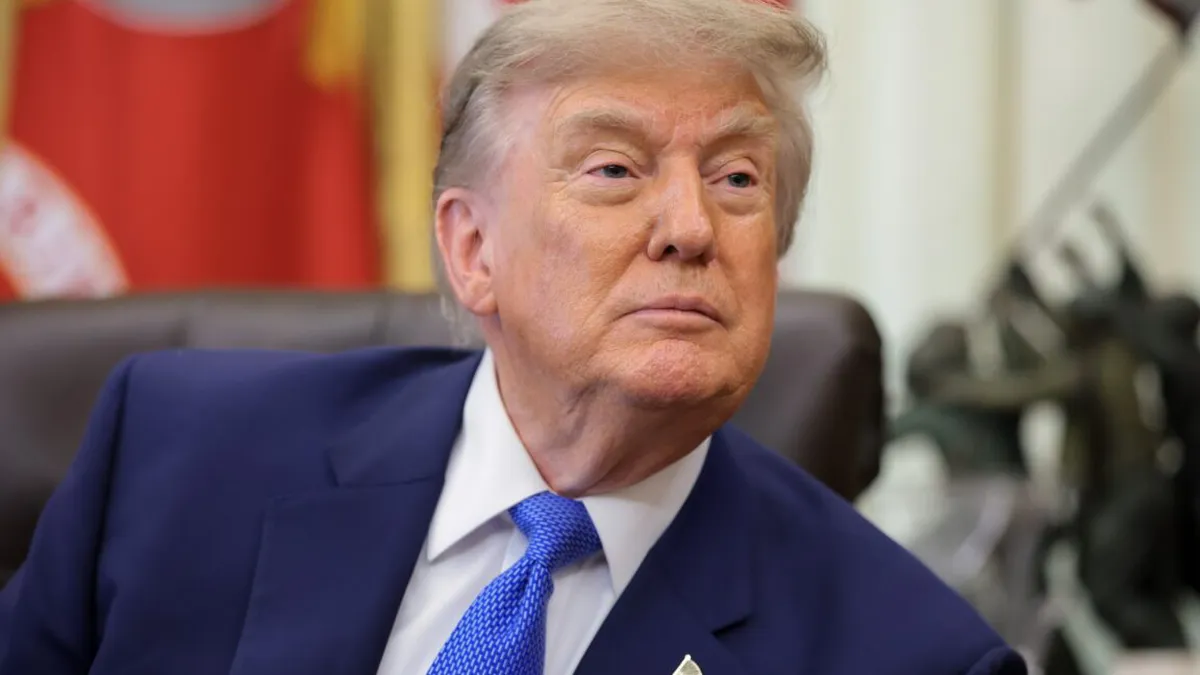
As President Donald Trump embarks on the latter half of his second term, significant changes are underway at the Federal Communications Commission (FCC). With the nomination of Danielle Thumann Severs, a Republican, to fill one of the vacant seats, Trump is poised to solidify a 3-1 Republican majority within the agency. This move not only breaks with historical norms but also raises serious implications for media regulation and oversight at a time when the FCC has already been scrutinized for its partisan stance.
For decades, the FCC has operated under a model that favored bipartisan representation, typically allowing the president’s party to hold a narrow majority. With Trump’s latest nomination, however, the FCC is shifting towards a structure that could potentially silence dissenting voices and influence the regulatory landscape in favor of the Republican agenda. This article delves into the implications of this nomination, the historical context surrounding it, and what it means for the future of communications policy in the United States.

The Historical Context of FCC Appointments
The Federal Communications Commission was established to regulate interstate and international communications by radio, television, wire, satellite, and cable. Historically, the agency has maintained a balance between political parties to ensure fair representation and diverse viewpoints in its decision-making processes. Typically, the president's party has been allotted three commissioners, while the minority party holds two seats. This structure aimed to foster a collaborative environment, allowing for varied perspectives in the agency's deliberations.
However, in recent years, particularly during Trump's presidency, the FCC's dynamic has shifted. The commission has been operating with a 2-1 Republican majority, lacking a full complement of five commissioners. Trump's nomination of Severs not only aims to fill this gap but also raises concerns about the future of bipartisan cooperation within the FCC.

Political Implications of a 3-1 Majority
The nomination of Danielle Thumann Severs, who has previously served as senior counsel to current FCC Chairman Brendan Carr, is poised to provide additional support for Trump’s policies. With a 3-1 Republican majority, the commission can push through regulatory changes with greater ease, potentially sidelining critical oversight of media organizations. The FCC has already been involved in controversial actions, such as investigating broadcasters that fail to present favorable coverage of Trump, a practice that raises ethical concerns about impartiality in media regulation.
Furthermore, the absence of a Democratic counterpart in the commission could embolden the Republican agenda, allowing for decisions that may not withstand legal scrutiny. The Communications Act explicitly prohibits any one party from holding a supermajority, meaning that while Trump can nominate another Republican to fill a seat, doing so without a Democratic counterpart could lead to court challenges. As Senate Democrats, including Sen. Maria Cantwell, have expressed, the lack of a paired nomination could result in a contentious confirmation process.
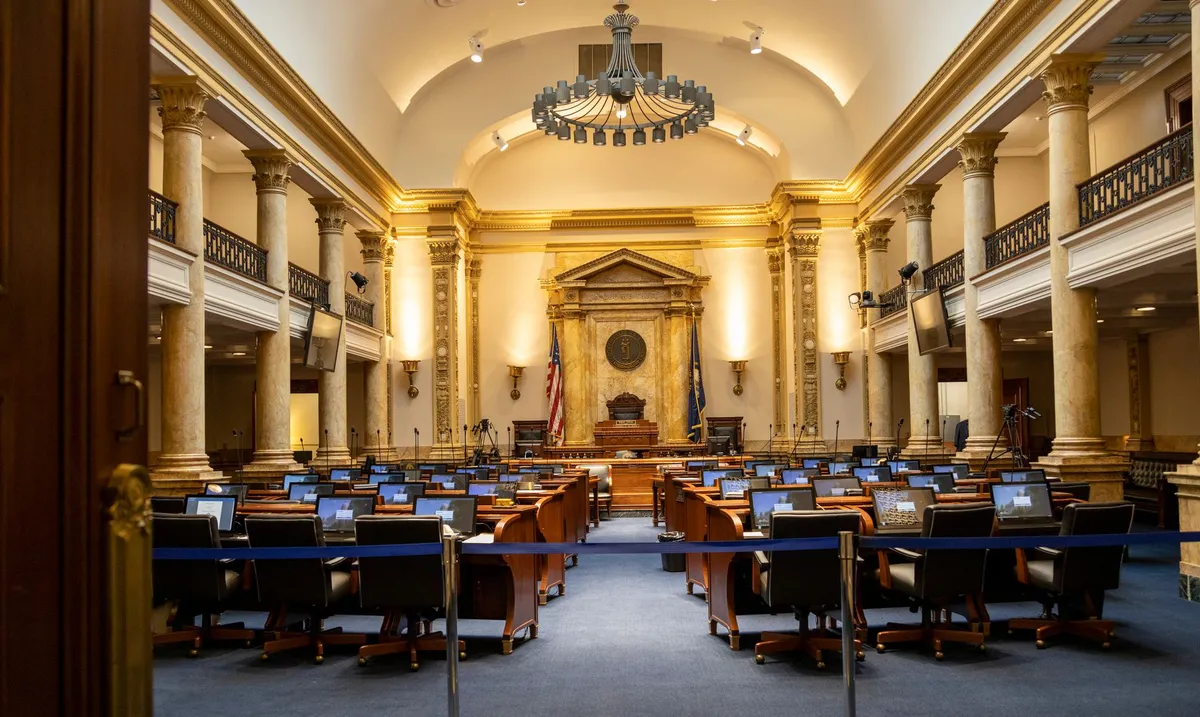
The Role of the Senate in Confirmations
Confirmation of FCC commissioners requires Senate approval, and while the Republican majority can technically confirm Severs independently, the political fallout may be significant. Senate Democrats are advocating for a more bipartisan approach to appointments, emphasizing the importance of maintaining a balanced commission that reflects a diversity of opinions. This political tension is compounded by the fact that the current FCC operates with just three members for a quorum, leaving the potential for significant decisions to be made without full representation.
The confirmation process for Severs will likely be scrutinized closely by Senate Democrats, who are pushing for an equitable approach. Democratic Senators are not just concerned about the nomination itself but also about the broader implications of an unbalanced FCC. As the landscape of media regulation continues to evolve, a lack of bipartisan representation raises questions about the fairness and legality of the commission’s future rulings.
The Risks of a One-Party Commission
While a 3-1 Republican majority could streamline the decision-making process within the FCC, it also poses substantial risks. Legal experts have noted that a commission operating without bipartisan representation might face challenges regarding the legitimacy of its decisions. If the agency is perceived as overly partisan, opponents of its rulings may have stronger grounds to contest them in court.
Additionally, the historical precedent of bipartisan cooperation within the FCC has often led to more balanced and well-considered policies. Critics argue that a lack of dissenting voices could stifle important discussions around issues like broadband access, net neutrality, and media ownership, all of which significantly impact American consumers and the media landscape.

Future Considerations and the Role of Independent Voices
As the FCC moves forward with a potential Republican supermajority, the question remains whether Trump will nominate a Democrat or pursue an independent candidate for the final seat. The law requires that no party holds more than a bare majority, but the definition of what constitutes a “majority” could be legally challenged if Trump chooses to install a non-Republican candidate who supports his agenda. This strategy could effectively allow Trump to maintain a 3-1 Republican majority without technically violating FCC regulations.
The implications of such a decision are profound, as a commission lacking a voice from the opposing party may hinder the deliberative process and dilute the quality of policy-making. As the media landscape evolves, the need for a regulatory body that reflects diverse perspectives becomes increasingly critical to ensure fair and balanced communications policy. Legal experts caution that the absence of bipartisan representation could lead to not only contentious court battles but also a deterioration of public trust in the regulatory process.
Key Takeaways
- Trump's nomination of Severs gives Republicans a potential 3-1 majority at the FCC.
- The historical norm of bipartisan representation at the FCC is at risk, raising concerns about media oversight.
- A one-party commission could face legal challenges regarding the legitimacy of its decisions.
- The Senate's role in the confirmation process will be crucial in shaping the future of the FCC.
- The absence of a Democratic voice may impede important policy discussions regarding media regulation.
Frequently Asked Questions
What are the implications of a 3-1 Republican majority at the FCC?
A 3-1 Republican majority at the FCC could facilitate the implementation of conservative policies, potentially sidelining dissenting opinions and impacting media regulation. This shift raises concerns about the fairness and legality of the commission’s future rulings, especially if it lacks bipartisan representation.
How does the confirmation process for FCC commissioners work?
FCC commissioners are nominated by the president and must be confirmed by the Senate. While the president's party typically holds a majority, the Senate committee processes play a crucial role in determining the outcome. A contentious confirmation process could arise if the nomination lacks bipartisan support.
Why is bipartisan representation important in the FCC?
Bipartisan representation is essential in the FCC to ensure that diverse perspectives are considered in policy-making. Historically, a balanced commission has led to more comprehensive and fair regulations, reflecting the varied interests of consumers and stakeholders in the media landscape.
Could the lack of a Democratic commissioner lead to legal challenges?
Yes, if the FCC operates without a Democratic commissioner, it may face legal challenges regarding the legitimacy of its rulings. The absence of bipartisan representation could lead critics to argue that decisions made by the commission are not legally valid, increasing the likelihood of court challenges against its actions.
Comments
The Rise of SignalTrace: How New Surveillance Tech Links Phones to License Plates
The advent of SignalTrace technology is revolutionizing surveillance by linking mobile devices to vehicles, raising significant privacy concerns. This article explores the implications and challenges of this new tracking method.

Related articles





Popular in Cybersecurity
- Federal Mandate for Autonomous Vehicles: A Call for Safety Compliance
- EU Mandates Google to Share Data and Open AI on Android: What It Means
- GitHub Revamps Bug Bounty Program: Implications for Developers and Security
- Australian Government Disables Thousands of Functional Broadband Routers: A Wasteful Decision
- Exploiting Redis: Understanding Zero-Day Vulnerabilities and Their Mitigation