Delta Airlines Probes Fake Wi-Fi Network Incident Mid-Flight
A Delta flight from Las Vegas to Atlanta faced a security scare when a passenger set up a fraudulent Wi-Fi network. The airline is investigating the incident in collaboration with federal authorities.
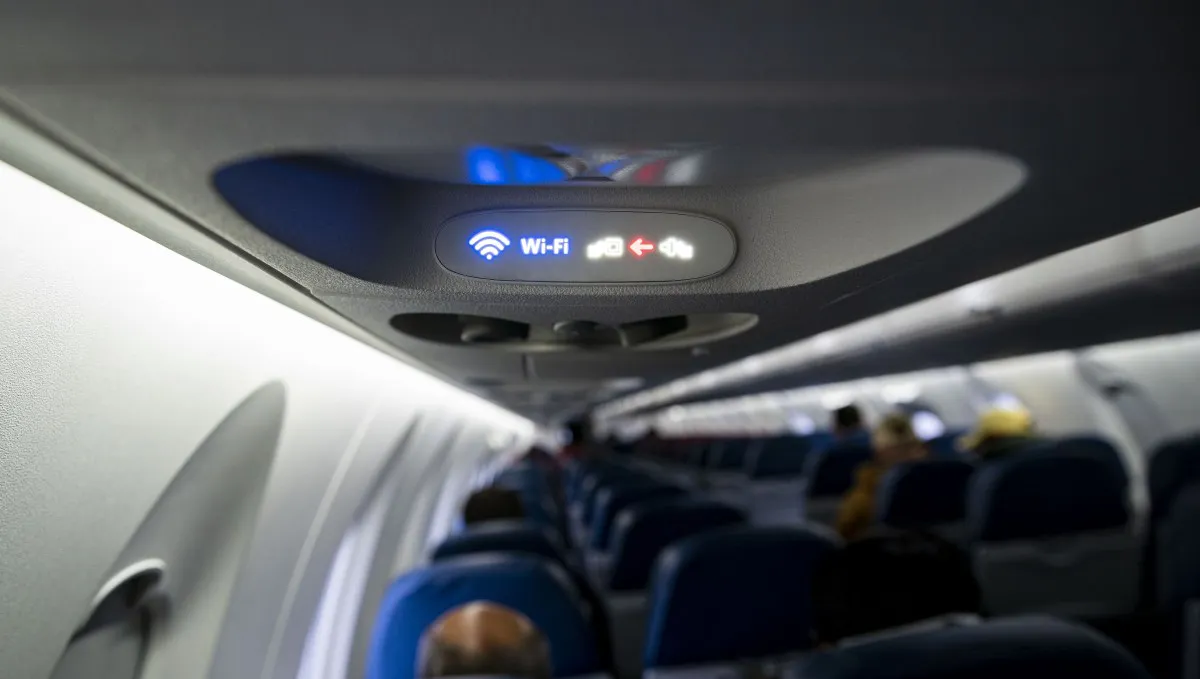
In an unsettling incident that has raised significant concerns about in-flight cybersecurity, a Delta Airlines flight from Las Vegas to Atlanta became the center of attention when a passenger allegedly created a fake Wi-Fi network mid-flight. This dubious action prompted the flight crew to alert air traffic control, leading to a temporary suspension of the legitimate in-flight Wi-Fi service. While the safety of the passengers was never in question, the event highlights the vulnerabilities present in the aviation sector regarding cybersecurity.
According to Delta spokesperson Morgan Durrant, the airline is treating the situation with utmost seriousness and has initiated an investigation to uncover all relevant facts. This investigation will involve collaboration with federal law enforcement agencies as well as aviation regulators. The fact that the flight's operational systems remained unaffected is reassuring, but the incident sheds light on a growing concern: the ease with which individuals can initiate such cyber threats using commercially available tools.
Understanding the Incident
The incident unfolded during a flight that had passengers returning from various cybersecurity conferences held in Las Vegas, which adds a layer of intrigue to the story. The flight crew noticed the fraudulent network and acted quickly, turning off the legitimate Wi-Fi network for approximately 30 minutes to mitigate potential risks. Pilots sent two messages to air traffic control, indicating that a passenger had created a “scam Wi-Fi” network designed to impersonate the airplane’s authentic wireless connection.
The Technology Behind Fake Wi-Fi Networks
Setting up a fake Wi-Fi network is alarmingly simple, thanks to devices like the Wi-Fi Pineapple. This tool, commonly used by security professionals to test network vulnerabilities, can be used to spoof legitimate networks with relative ease. Such devices are widely available online, often marketed towards both professional security testers and hobbyists interested in ethical hacking. The implications of this are significant, particularly when considering the sensitive data transmitted over in-flight networks.
- Wi-Fi Pineapple: A device used to intercept, manipulate, and analyze network traffic.
- Legitimate Wi-Fi Networks: Airlines typically offer secure connections for passenger use, but these can be spoofed.
- Cybersecurity Conferences: The presence of attendees from recent cybersecurity events raises questions about intent.
The Broader Implications for Aviation Security
This incident is a stark reminder of the potential cybersecurity threats that can infiltrate even the most regulated environments. Airlines and aviation authorities are increasingly recognizing the need for robust cybersecurity measures, especially as passengers rely more on in-flight internet access for both personal and work-related tasks. The Federal Aviation Administration (FAA) has yet to issue a report regarding this incident, but the implications could be far-reaching.
Challenges in Aviation Cybersecurity
The landscape of aviation cybersecurity is complex and evolving. As airlines adopt more sophisticated technologies to enhance passenger experiences, they simultaneously expose themselves to new vulnerabilities. Here are some major challenges:
- Legacy Systems: Many systems in use by airlines are outdated and not designed with modern cybersecurity threats in mind.
- Increased Connectivity: The demand for in-flight internet access has skyrocketed, creating additional points of entry for cybercriminals.
- Regulatory Compliance: Airlines must navigate a patchwork of regulations pertaining to cybersecurity, which can vary significantly by country.

What Passengers Should Know
For passengers, understanding these dynamics is crucial, especially in an era where personal information is constantly at risk. Here are some steps travelers can take to protect themselves:
- Use VPNs: A Virtual Private Network can help secure your connection when using public Wi-Fi, including in-flight networks.
- Avoid Sensitive Transactions: Refrain from conducting online banking or sharing sensitive information while on public networks.
- Monitor Network Connections: Be vigilant about the networks you connect to; always ensure you're joining the legitimate airline network.

Key Takeaways
- Delta Airlines is investigating a mid-flight incident involving a fake Wi-Fi network.
- The flight crew temporarily disabled the legitimate Wi-Fi service to protect passengers.
- Cybersecurity tools like the Wi-Fi Pineapple can easily create spoofed networks.
- Passengers should take steps to secure their information while using in-flight Wi-Fi.
- The incident underscores the need for improved cybersecurity measures in aviation.
Frequently Asked Questions
What are the risks associated with fake Wi-Fi networks on flights?
Fake Wi-Fi networks can expose passengers to a range of cybersecurity risks, including data theft and unauthorized access to personal information. When connected to a fraudulent network, cybercriminals can intercept communications, monitor online activities, and even redirect users to malicious sites designed to steal credentials or install malware.
How can passengers protect themselves when using in-flight Wi-Fi?
To safeguard personal information while using in-flight Wi-Fi, passengers should consider utilizing a Virtual Private Network (VPN) to encrypt their internet traffic. Additionally, avoiding sensitive transactions, such as online banking, and being cautious about network connections can help mitigate risks. Always verify the network name before connecting to ensure it matches the airline's legitimate service.
What steps are airlines taking to improve cybersecurity?
Airlines are increasingly investing in advanced cybersecurity measures, including the implementation of stronger encryption protocols, regular security audits, and training for staff on recognizing and responding to cyber threats. Collaborations with cybersecurity firms and government agencies are also becoming more common to enhance overall security frameworks.
Will this incident lead to changes in regulations for in-flight Wi-Fi?
While it is too early to predict specific regulatory changes, this incident could prompt aviation authorities to reevaluate existing protocols surrounding in-flight cybersecurity. Increased scrutiny and potentially new regulations may emerge as the aviation sector recognizes the need for more stringent security measures to protect passengers in an increasingly digital environment.
Comments
The Rise of SignalTrace: How New Surveillance Tech Links Phones to License Plates
The advent of SignalTrace technology is revolutionizing surveillance by linking mobile devices to vehicles, raising significant privacy concerns. This article explores the implications and challenges of this new tracking method.
Related articles






Popular in Cybersecurity
- Federal Mandate for Autonomous Vehicles: A Call for Safety Compliance
- EU Mandates Google to Share Data and Open AI on Android: What It Means
- GitHub Revamps Bug Bounty Program: Implications for Developers and Security
- Australian Government Disables Thousands of Functional Broadband Routers: A Wasteful Decision
- Exploiting Redis: Understanding Zero-Day Vulnerabilities and Their Mitigation