The Rising Threat of Russian Drones: Implications for European Energy Security
Recent incidents involving Russian drones near vital European gas sites signal escalating geopolitical tensions. This article explores the implications for energy security and regional stability.
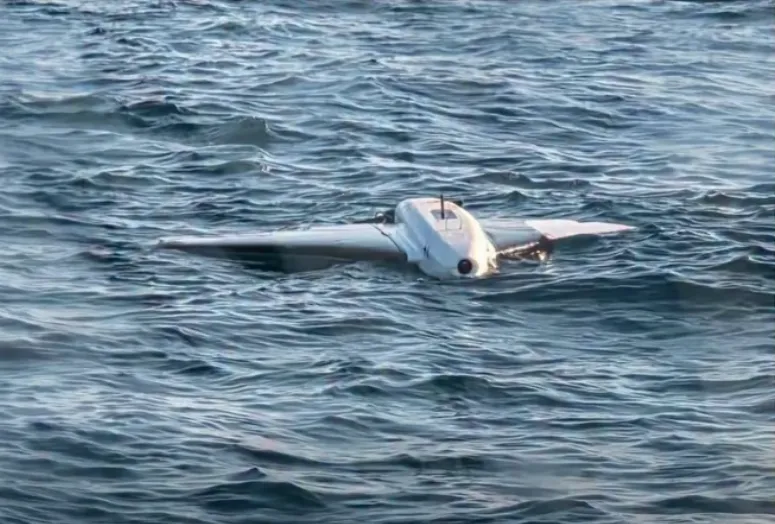
In a striking reminder of the ongoing geopolitical tensions fueled by the war in Ukraine, the Romanian Ministry of Defense reported the discovery and destruction of two Russian-made Gerbera drones floating in the Black Sea near Romania’s largest natural gas project, the Neptun Deep. This incident, which occurred on August 11, 2026, underscores the increasingly complex security landscape in Eastern Europe, particularly as nations grapple with threats to their critical energy infrastructure.
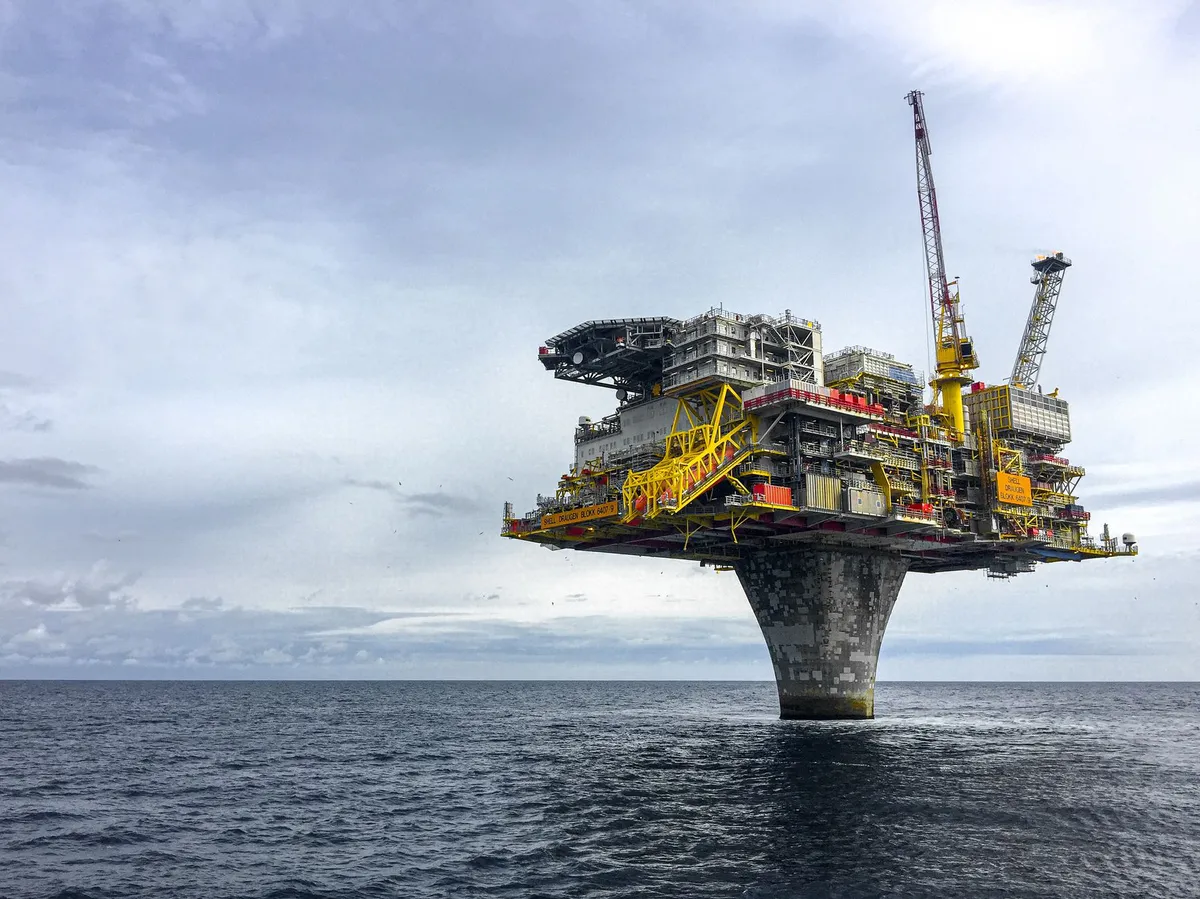
The Romanian Army's explosive ordnance disposal divers took decisive action, destroying the drones that had drifted into a strategic zone vital for the country’s energy future. This area is not only crucial for Romania, but also for the broader European Union, as it strives to reduce its dependence on Russian gas in the wake of sanctions and supply disruptions. The Neptun Deep project is anticipated to commence production by 2027, potentially doubling Romania's gas output and providing essential supplies to other EU nations, including Germany and Moldova.
Assessing the Drone Threat
The recent drone incident is symptomatic of a broader pattern of hostile aerial incursions into Romanian airspace, primarily attributed to the ongoing conflict between Russia and Ukraine. Defense Minister Radu Miruță highlighted that these drones were not Ukrainian, as confirmed by Ukrainian officials. This revelation raises pressing questions about Russian military operations and their implications for European security.
Historical Context of Drone Incursions
Since the full-scale Russian invasion of Ukraine in 2022, Romania has experienced numerous drone incursions, some of which have resulted in significant damage and civilian injuries. In May 2026, a Russian Geran-2 drone struck an apartment building in southeastern Romania, injuring a child and a woman, while necessitating the evacuation of 70 residents. Another incident involving a drone led to damage to an electricity pole and the evacuation of over 500 people. These events expose the vulnerabilities of Romania’s airspace and underline the necessity for enhanced aerial defense capabilities.
The Technological Landscape of Drone Warfare
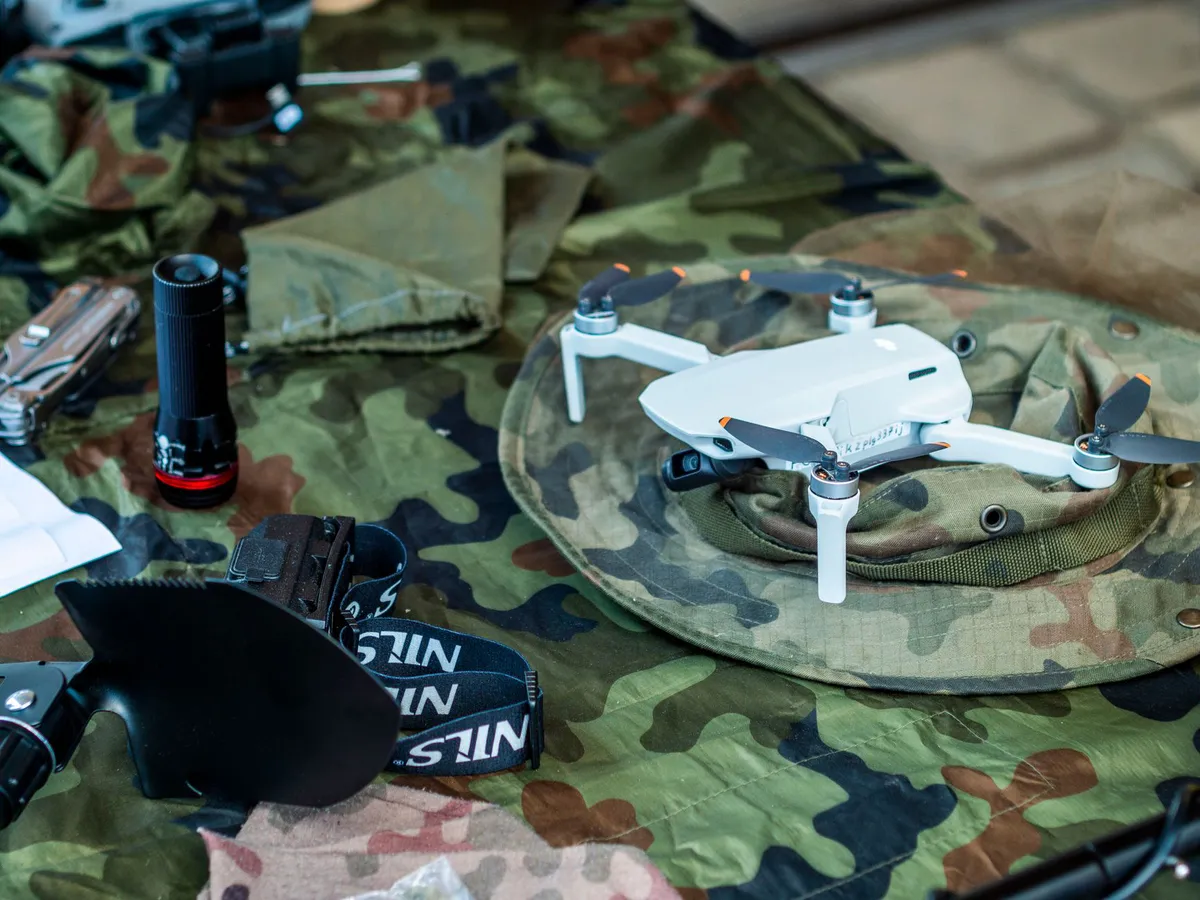
Russian drones, particularly the Gerbera type, have been utilized extensively for various military applications, including one-way strikes, reconnaissance, and as decoys during larger missile attacks. They have been a critical component of Russia's strategy in the ongoing conflict, targeting Ukrainian cities and attempting to disrupt military operations.
Implications for Energy Infrastructure
The Neptun Deep gas project plays a pivotal role in Europe’s energy security strategy, especially as the continent seeks alternatives to sanctioned Russian oil and gas. A successful operational rollout in 2027 would not only bolster Romania's position as a major gas producer but also enhance the energy independence of neighboring countries. However, the presence of hostile drones raises alarms about the safety of such critical infrastructure.
- Strategic Importance: The Neptun Deep project could double Romania’s gas production.
- Regional Stability: Ongoing drone threats may destabilize energy supply chains.
- Defense Spending: Increased military spending is likely necessary to counter aerial threats.
Geopolitical Dynamics in the Black Sea
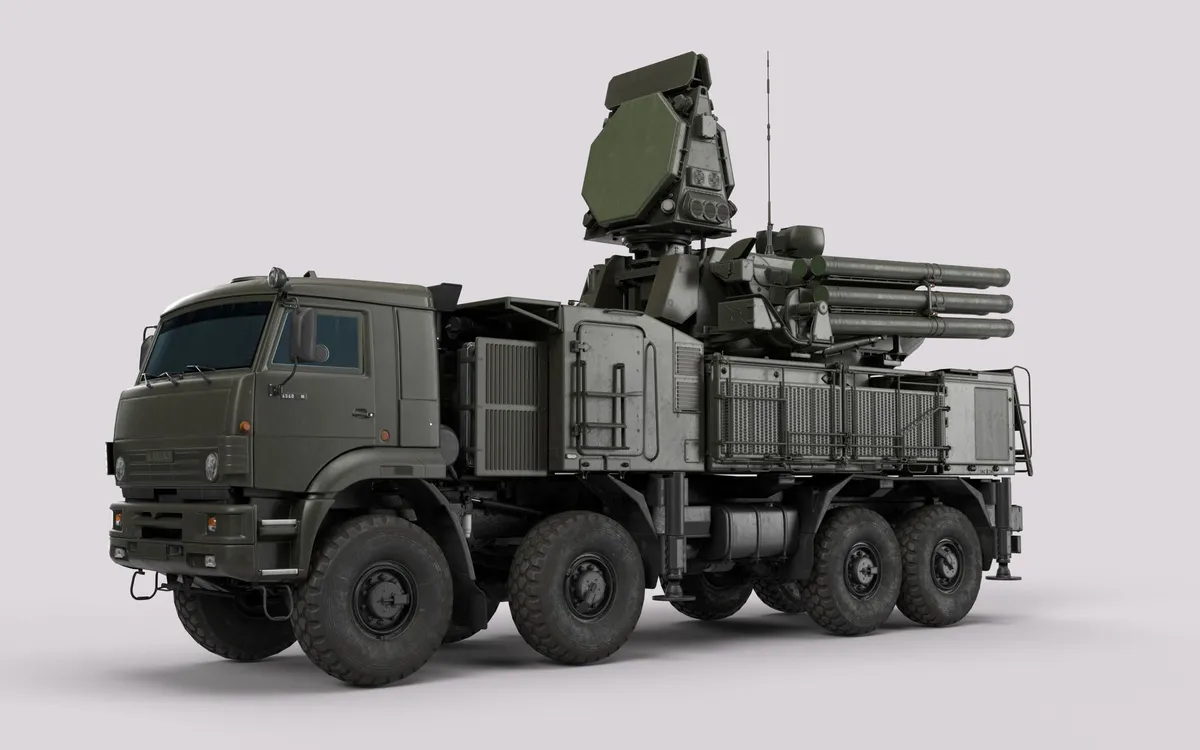
The Black Sea has emerged as a contested region amid the Ukraine-Russia war, with both nations engaging in drone and missile attacks on maritime assets. Ukraine has employed drones to target Russian shipping lines, while Russia has expanded its offensive operations against Ukrainian ports. This ongoing conflict has turned the Black Sea into a strategic battleground, further complicating energy logistics and security for European nations.
International Cooperation and Responses
In light of the escalating drone threats, Romania and its NATO allies must consider strategies for enhanced cooperation and intelligence sharing. The recent drone incursions highlight the urgent need for a collective response to aerial threats that could jeopardize national security and energy stability. Increased military exercises and coordinated defense initiatives could bolster Romania’s capacity to respond effectively to future incursions.
Key Takeaways
- Recent incursions of Russian drones near Romania’s energy projects indicate rising security threats in Eastern Europe.
- The Neptun Deep gas project is crucial for Romania and the EU in diversifying energy supplies.
- Enhanced military cooperation among NATO allies is essential to counter aerial threats.
Frequently Asked Questions
What are the implications of Russian drone incursions for European energy security?
The drone incursions pose significant threats to energy security, particularly for nations like Romania that are developing critical infrastructure projects. With the EU seeking to reduce dependency on Russian energy, any disruption from drone attacks can have far-reaching consequences for energy supply stability across Europe. This situation necessitates urgent action to enhance air defense and cooperation among NATO allies.
How does the Neptun Deep gas project influence Romania’s role in the EU?
As Romania prepares to become the largest gas producer in the EU with the Neptun Deep project, its role within the bloc becomes increasingly vital. The project not only aims to meet domestic energy needs but also to supply gas to neighboring countries, thereby enhancing energy security across the region. However, the ongoing drone threats complicate these ambitions and require robust security measures to protect such investments.
What steps are being taken to address the drone threat in Romania?
In response to the drone threats, Romanian authorities are likely to increase military spending and engage in joint defense initiatives with NATO allies. This could involve upgrading aerial surveillance systems, conducting more frequent military drills, and improving intelligence sharing to better anticipate and respond to drone incursions.
Comments
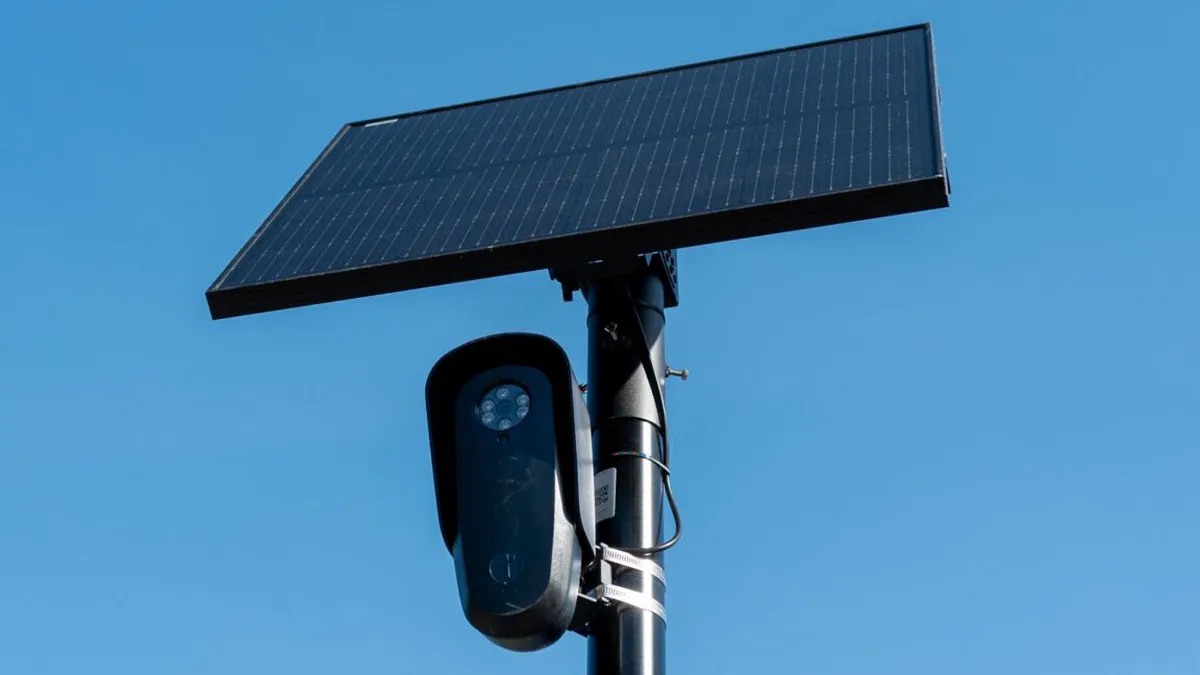
The Rise of SignalTrace: How New Surveillance Tech Links Phones to License Plates
The advent of SignalTrace technology is revolutionizing surveillance by linking mobile devices to vehicles, raising significant privacy concerns. This article explores the implications and challenges of this new tracking method.
Related articles






Popular in Cybersecurity
- Federal Mandate for Autonomous Vehicles: A Call for Safety Compliance
- EU Mandates Google to Share Data and Open AI on Android: What It Means
- GitHub Revamps Bug Bounty Program: Implications for Developers and Security
- Australian Government Disables Thousands of Functional Broadband Routers: A Wasteful Decision
- Exploiting Redis: Understanding Zero-Day Vulnerabilities and Their Mitigation