Atlassian Rovo Vulnerability: A Deep Dive into Data Security Risks
The Atlassian Rovo vulnerability exposes Jira and Confluence data to potential attackers. This article explores the implications, how it works, and what organizations can do to protect themselves.
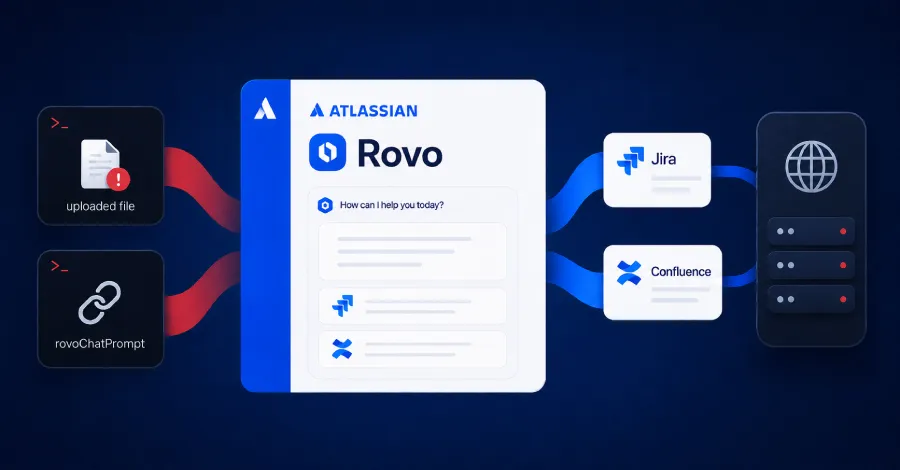
The recent discovery of the Atlassian Rovo vulnerability has sent shockwaves through the tech community, exposing serious risks associated with data security in popular collaboration tools like Jira and Confluence. This vulnerability allows attackers to exploit cross-domain privilege escalation, potentially granting them access to sensitive information and systems. As organizations increasingly rely on these tools for project management and documentation, understanding the implications of this vulnerability is crucial for protecting valuable data.
In this article, we will delve into the mechanics of the Rovo vulnerability, its impact on organizations, and the steps that businesses can take to mitigate the risks associated with this security flaw. With the rise of cyber threats and identity exposure, ensuring robust security protocols is more important than ever.
Understanding the Rovo Vulnerability
The Atlassian Rovo vulnerability is a technical flaw that allows attackers to send unauthorized requests to Jira and Confluence instances. By exploiting this vulnerability, malicious actors can trick these tools into sending sensitive data to their own systems. This is particularly alarming given that Jira and Confluence are widely used by organizations for managing projects and documentation, often containing sensitive information such as project plans, user data, and proprietary business strategies.
How the Attack Works
The attack takes advantage of the way Rovo handles cross-domain requests. When a user is authenticated in a Jira or Confluence session, the application trusts requests coming from that user without adequately verifying their origin. An attacker can create a malicious webpage that sends requests to the Jira or Confluence instance on behalf of the authenticated user. If the user is logged into the application, the request will be accepted, allowing the attacker to retrieve sensitive information.

The Implications for Organizations
The implications of the Rovo vulnerability are significant. Organizations that use Jira and Confluence must be aware that their sensitive data could be exposed if proper security measures are not in place. The potential consequences include data breaches, loss of intellectual property, and damage to an organization’s reputation. Moreover, regulatory penalties could arise from non-compliance with data protection laws, such as GDPR or CCPA, if sensitive data is mishandled.
Who is Affected?
The vulnerability affects a broad range of organizations across various industries, particularly those that rely heavily on collaboration tools for project management and documentation. This includes technology companies, financial institutions, healthcare providers, and educational institutions. Essentially, any organization using Jira and Confluence could be vulnerable if they do not take proactive measures to secure their data.
Mitigating the Risks
Given the serious nature of the Rovo vulnerability, organizations must take immediate action to mitigate the risks. Here are several strategies that can be implemented to enhance security:
- Update Software Regularly: Ensure that Jira and Confluence are updated to the latest versions, which often include security patches to address known vulnerabilities.
- Implement Strong Access Controls: Use role-based access controls to limit user permissions based on their roles, ensuring that only authorized personnel can access sensitive data.
- Monitor User Activity: Regularly review user activity logs to detect any suspicious behavior that may indicate an attempted exploitation of the Rovo vulnerability.
- Educate Employees: Conduct training sessions to educate employees about the risks of phishing and social engineering attacks that could exploit this vulnerability.

Key Takeaways
- The Atlassian Rovo vulnerability exposes sensitive data in Jira and Confluence.
- Cross-domain privilege escalation allows attackers to send unauthorized requests.
- Organizations must implement strong security measures to protect against potential breaches.
- Regular software updates and employee education are critical in mitigating risks.
Frequently Asked Questions
What is the Atlassian Rovo vulnerability?
The Atlassian Rovo vulnerability is a security flaw that allows attackers to exploit cross-domain privilege escalation in Jira and Confluence. This enables them to send unauthorized requests, potentially gaining access to sensitive data stored within these applications.
How can organizations protect themselves against this vulnerability?
Organizations can protect themselves by regularly updating their Jira and Confluence software, implementing strong access controls, monitoring user activity for suspicious behavior, and educating employees about security best practices to mitigate risks associated with the Rovo vulnerability.
Who is at risk from the Rovo vulnerability?
Any organization that uses Jira and Confluence for project management and documentation is at risk from the Rovo vulnerability. This includes companies across various sectors, such as technology, finance, healthcare, and education.
What are the potential consequences of a data breach due to the Rovo vulnerability?
The potential consequences of a data breach could include the exposure of sensitive information, loss of intellectual property, damage to brand reputation, and regulatory penalties for non-compliance with data protection laws. Organizations may also face financial losses due to the fallout from a breach.
Comments
Innovative Patterns: Evading Surveillance in the Digital Age
Bill Swearingen's noRecognition project introduces computer-generated patterns that can effectively prevent surveillance cameras from detecting individuals and vehicles, sparking discussions about privacy rights and the future of surveillance technology.

Related articles

Popular in Cybersecurity
- Federal Mandate for Autonomous Vehicles: A Call for Safety Compliance
- EU Mandates Google to Share Data and Open AI on Android: What It Means
- GitHub Revamps Bug Bounty Program: Implications for Developers and Security
- Australian Government Disables Thousands of Functional Broadband Routers: A Wasteful Decision
- Exploiting Redis: Understanding Zero-Day Vulnerabilities and Their Mitigation