Understanding ClickFix Attacks: A Deep Dive into macOS Threats and Cryptocurrency Security
The ClickFix attacks highlight a growing trend of macOS vulnerabilities aimed at draining cryptocurrency wallets. This article explores how these attacks operate and offers strategies for safeguarding digital assets.
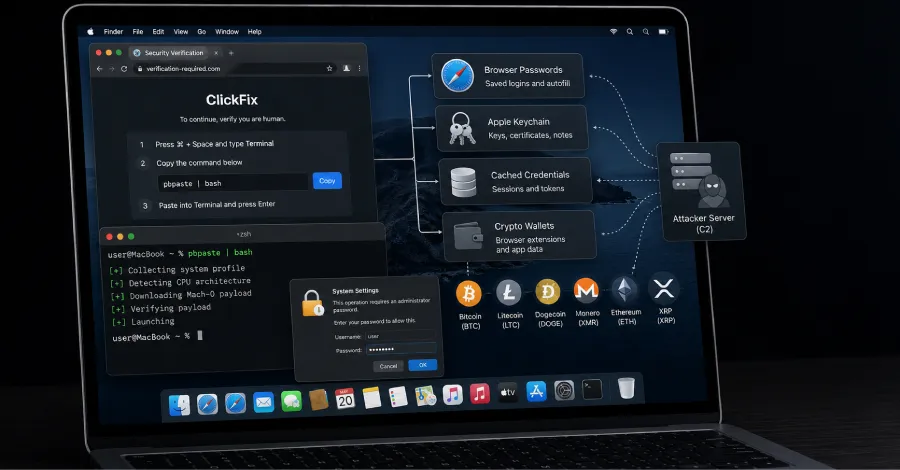
In recent months, the cybersecurity landscape has been rocked by a series of targeted attacks known as ClickFix attacks. These sophisticated threats primarily focus on macOS systems, exploiting vulnerabilities to drain cryptocurrency wallets and compromise user data. As digital currencies grow in popularity, the risk associated with inadequate security measures becomes increasingly apparent. Understanding the mechanics of these attacks and implementing protective strategies is crucial for anyone engaged in cryptocurrency transactions.
The ClickFix attacks are a clear representation of how cybercriminals are evolving their methods to exploit weaknesses in operating systems. By gaining access to users’ systems, attackers can deploy malware that specifically targets cryptocurrency wallets, potentially leading to significant financial losses for individuals and businesses alike. This article will delve into the nature of ClickFix attacks, their implications for macOS users, and what steps can be taken to mitigate the risks.
The Mechanics of ClickFix Attacks
ClickFix attacks leverage social engineering to trick users into installing malicious software. These attacks often initiate via phishing emails or deceptive advertisements that lead users to download seemingly benign applications. Once installed, the malware operates stealthily in the background, gathering sensitive information, including private keys and recovery phrases associated with cryptocurrency wallets.
How the Malware Operates
- Data Harvesting: The malware scans the infected system for cryptocurrency wallets and related applications.
- Credential Theft: It captures login credentials and private keys, which are essential for accessing and controlling digital assets.
- Remote Control: Attackers can gain remote access to the system, allowing for further exploitation and data manipulation.
This malware not only targets cryptocurrency wallets but can also lead to broader implications, such as identity theft and unauthorized access to sensitive personal information. With the rise of remote work and increased reliance on digital platforms, the avenue for such attacks has widened, making it imperative for users to remain vigilant.

Implications for macOS Users
While macOS is often touted for its security features, the ClickFix attacks reveal vulnerabilities that can be exploited by malicious actors. Apple’s operating system, while less frequently targeted than Windows, is not invulnerable. The increasing sophistication of these attacks necessitates a reassessment of security protocols among macOS users, especially those involved in cryptocurrency transactions.
Market Context
The cryptocurrency market has seen explosive growth, with Bitcoin alone reaching market valuations in the hundreds of billions. This increase has naturally attracted cybercriminals who see an opportunity to profit from the lack of security awareness among users. As more individuals and businesses transact in digital currencies, the potential for financial loss due to such attacks grows.
Protective Measures for Cryptocurrency Security
To safeguard against ClickFix attacks and similar threats, individuals and organizations must adopt a multi-layered security approach. Here are several effective strategies:
- Use Hardware Wallets: Storing cryptocurrency in hardware wallets can significantly reduce exposure to malware attacks.
- Enable Two-Factor Authentication: This adds an extra layer of security, making it more challenging for attackers to gain access.
- Regular Software Updates: Keeping macOS and all applications up to date can patch vulnerabilities that cybercriminals may exploit.
- Educate Users: Regular training on identifying phishing attempts can empower users to avoid falling victim to social engineering tactics.
By implementing these strategies, users can create a robust defense against ClickFix attacks and protect their digital assets effectively.

Broader Security Concerns
The implications of ClickFix attacks extend beyond individual financial losses. They raise questions about the overall security of digital ecosystems, the responsibility of software developers, and the need for regulatory frameworks to protect consumers. As these attacks become more prevalent, it is clear that the cybersecurity community must work collaboratively to develop best practices and frameworks that can effectively counter such threats.
Regulatory Landscape
Governments are increasingly recognizing the importance of cybersecurity, particularly as it pertains to financial technologies. Regulatory bodies are beginning to formulate guidelines to ensure that companies implementing cryptocurrency transactions maintain stringent security measures. This could result in stricter compliance requirements, ultimately shaping the future of how businesses handle sensitive data.

Key Takeaways
- ClickFix attacks specifically target macOS users to drain cryptocurrency wallets.
- Understanding the mechanics of these attacks is crucial for prevention.
- Implementing multi-layered security measures can significantly reduce risks.
- Education and awareness among users are essential in combating social engineering tactics.
- Regulatory frameworks are evolving to enhance cybersecurity in financial transactions.
Frequently Asked Questions
What should I do if I suspect my macOS device is infected?
If you suspect that your macOS device has been infected with malware, the first step is to disconnect from the internet to prevent further data loss. Next, run a comprehensive antivirus scan using reputable security software. If malware is detected, follow the recommended steps to remove it, and consider restoring your system from a backup taken before the infection occurred. Finally, change all passwords associated with sensitive accounts, especially cryptocurrency wallets.
How can I identify phishing attempts?
Phishing attempts can often be identified by looking for unusual email addresses, poor grammar, and a sense of urgency in the message. Legitimate organizations will typically not request sensitive information via email. Always verify links by hovering over them to see the actual URL before clicking. If in doubt, contact the company directly using official contact information.
Are hardware wallets really safer than software wallets?
Yes, hardware wallets are generally considered safer than software wallets because they store private keys offline, making them less susceptible to malware attacks. While software wallets can be convenient for quick transactions, they are more vulnerable to hacking attempts and malware. For long-term storage of cryptocurrency, hardware wallets provide a more secure option.
What steps are regulators taking to improve cybersecurity in cryptocurrency?
Regulators are focusing on creating frameworks that require cryptocurrency exchanges and wallet providers to implement robust security measures. This includes mandatory reporting of breaches, establishing customer protection protocols, and ensuring compliance with data protection laws. As the ecosystem evolves, these regulations aim to foster a safer environment for digital asset transactions.
Comments
Innovative Patterns: Evading Surveillance in the Digital Age
Bill Swearingen's noRecognition project introduces computer-generated patterns that can effectively prevent surveillance cameras from detecting individuals and vehicles, sparking discussions about privacy rights and the future of surveillance technology.

Related articles



Popular in Cybersecurity
- Federal Mandate for Autonomous Vehicles: A Call for Safety Compliance
- EU Mandates Google to Share Data and Open AI on Android: What It Means
- GitHub Revamps Bug Bounty Program: Implications for Developers and Security
- Australian Government Disables Thousands of Functional Broadband Routers: A Wasteful Decision
- Exploiting Redis: Understanding Zero-Day Vulnerabilities and Their Mitigation