Vishing Attacks: The Rising Threat to SaaS Security and Your Data
Vishing attacks are increasingly targeting personal phones, leading to significant risks for SaaS data. This article explores real-world incidents and how to combat these threats effectively.
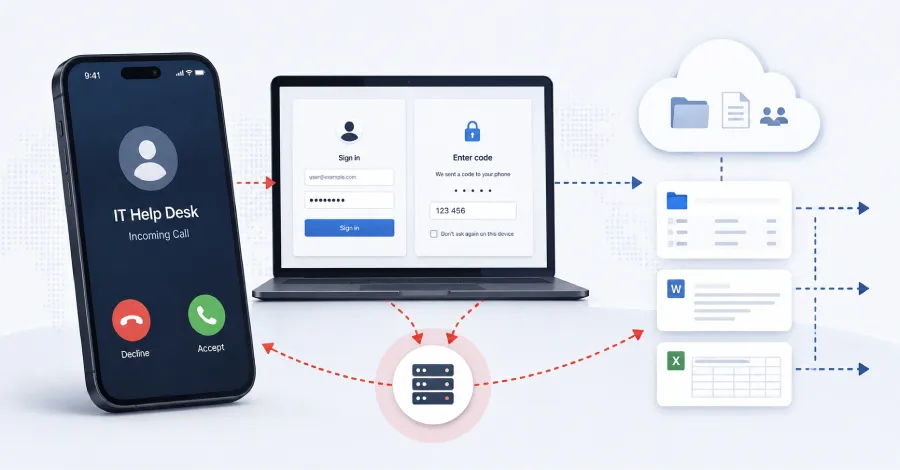
In the digital era, where sensitive data is frequently stored and accessed through Software as a Service (SaaS) platforms, security threats have evolved in complexity and sophistication. Among the most alarming of these threats are vishing attacks, a form of phishing that utilizes voice communication to deceive victims into revealing confidential information. Recent reports indicate that attackers are increasingly targeting personal phones, shifting the battleground of cybersecurity from corporate networks to individual vulnerabilities. This shift has serious implications for businesses that rely heavily on SaaS solutions for their operations.
Vishing, short for voice phishing, combines social engineering tactics with telephony technology to exploit human vulnerabilities. Attackers typically impersonate trusted entities, such as IT support personnel or service providers, to manipulate victims into divulging sensitive information like login credentials or financial data. As more employees work remotely and rely on personal devices for work-related tasks, the potential for successful vishing attacks increases, putting entire organizations at risk.
The Mechanisms Behind Vishing Attacks
Vishing attacks exploit various psychological triggers and technological methods to achieve their goals. Here’s how they typically unfold:
- Caller ID Spoofing: Attackers can manipulate the caller ID to appear as if they are calling from a legitimate organization, leading victims to trust the call.
- Pretexting: The attacker creates a fabricated scenario to engage the target, often posing as tech support or a bank representative.
- Urgency and Fear: Vishing calls often involve time-sensitive threats or urgent requests to elicit immediate responses from victims.
- Social Engineering: Attackers exploit personal information gathered from social media or previous data breaches to build credibility with the victim.
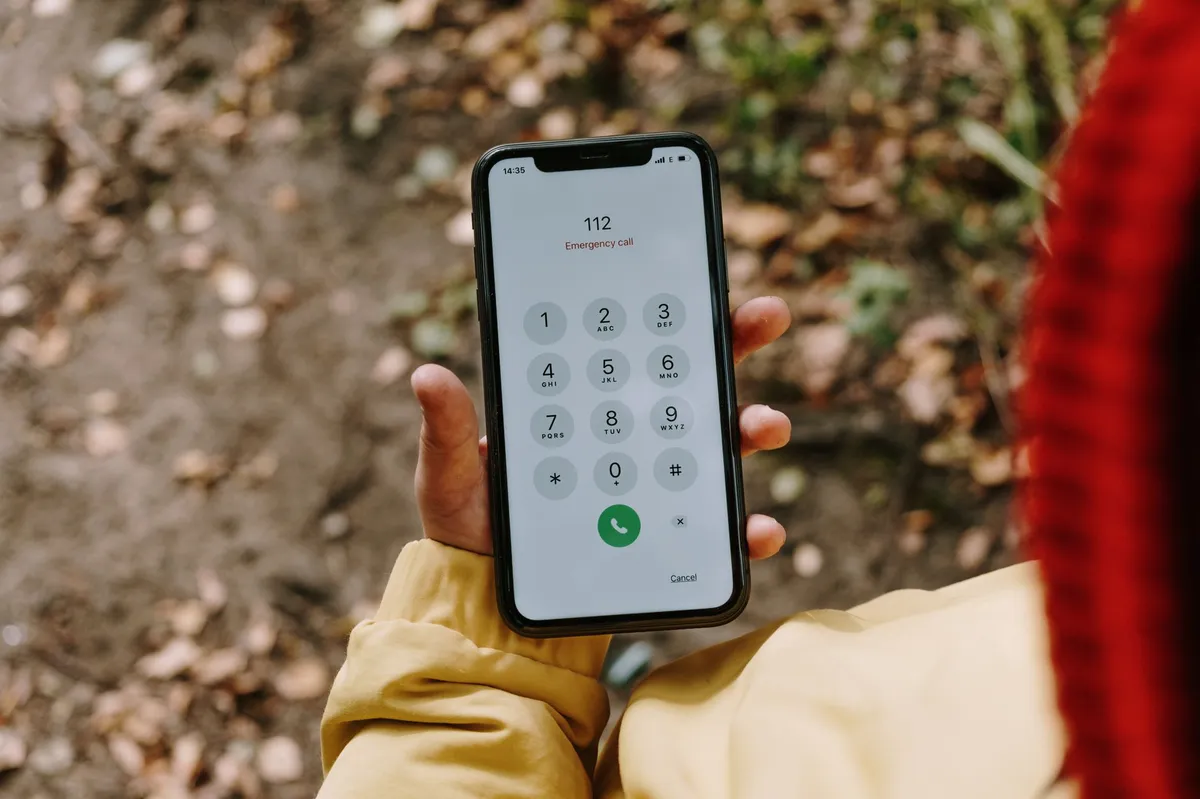
Real-World Incidents of Vishing Attacks
The impact of vishing attacks is not theoretical. Numerous organizations have fallen victim to these schemes, resulting in significant financial losses and data breaches. Here are some notable examples:
Case Study 1: The Financial Institution
A regional bank reported a series of vishing attacks where callers impersonated bank officials. Victims were convinced to share their online banking credentials, leading to unauthorized transactions and losses amounting to over $200,000.
Case Study 2: The Healthcare Provider
A healthcare provider faced a data breach when attackers gained access to sensitive patient information through vishing. The attackers posed as IT staff and requested login details under the guise of routine system maintenance.
Case Study 3: The Government Agency
A government agency experienced a breach when employees were targeted in a coordinated vishing campaign. Attackers impersonated agency executives, leading to the exposure of sensitive internal documents.
Mapping Active Attack Paths
Understanding how vishing fits into the broader landscape of cybersecurity threats is crucial for organizations. By mapping active attack paths, businesses can identify potential vulnerabilities and implement measures to sever breach routes at key choke points. Here are some effective strategies:
1. Employee Training and Awareness
Regular training sessions can help employees recognize the signs of vishing and other social engineering tactics. By fostering a culture of skepticism and awareness, organizations can reduce the risk of successful attacks.
2. Multi-Factor Authentication (MFA)
Implementing MFA adds an additional layer of security, making it more difficult for attackers to gain access to sensitive accounts even if they obtain login credentials.
3. Incident Response Plans
Developing a robust incident response plan ensures that organizations can respond swiftly and effectively to any vishing attempts or breaches that occur.
Why Vishing Matters in the SaaS Landscape
As businesses increasingly rely on SaaS solutions for operations, the potential impact of vishing attacks cannot be overstated. With sensitive data stored on cloud platforms, a successful vishing attack can lead to:
- Data Breaches: Attackers can gain access to sensitive information, leading to compliance issues and reputational damage.
- Financial Losses: Organizations may face significant financial repercussions from fraud or remediation efforts following an attack.
- Legal Consequences: Data breaches can result in regulatory fines and legal actions, particularly in sectors like finance and healthcare.
Key Takeaways
- Vishing attacks are a growing threat, particularly for businesses using SaaS solutions.
- Understanding the mechanics of vishing is essential for prevention and mitigation.
- Employee training, MFA, and incident response plans are critical defenses against these attacks.
- A successful vishing attack can lead to serious data breaches, financial losses, and legal repercussions.
Frequently Asked Questions
What is vishing, and how does it work?
Vishing, or voice phishing, is a form of cyber attack where attackers use phone calls to deceive individuals into revealing sensitive information. Attackers often impersonate trusted entities and use tactics like caller ID spoofing and urgency to manipulate victims.
How can organizations protect themselves from vishing attacks?
Organizations can protect themselves by implementing employee training programs to raise awareness about vishing tactics, employing multi-factor authentication for sensitive accounts, and developing comprehensive incident response plans to address potential breaches.
What are the potential consequences of a successful vishing attack?
A successful vishing attack can lead to significant data breaches, financial losses, and legal consequences. Organizations may face regulatory fines, reputational damage, and the costs associated with remediation efforts to recover from the attack.
How prevalent are vishing attacks compared to other forms of phishing?
While traditional phishing scams often occur through email, vishing attacks are becoming increasingly prevalent due to the personal nature of phone communication and the ease of deception. As remote work continues to rise, the prevalence of vishing is expected to increase, making it a significant concern for organizations.
Comments
Innovative Patterns: Evading Surveillance in the Digital Age
Bill Swearingen's noRecognition project introduces computer-generated patterns that can effectively prevent surveillance cameras from detecting individuals and vehicles, sparking discussions about privacy rights and the future of surveillance technology.

Related articles

Popular in Cybersecurity
- Federal Mandate for Autonomous Vehicles: A Call for Safety Compliance
- EU Mandates Google to Share Data and Open AI on Android: What It Means
- GitHub Revamps Bug Bounty Program: Implications for Developers and Security
- Australian Government Disables Thousands of Functional Broadband Routers: A Wasteful Decision
- Exploiting Redis: Understanding Zero-Day Vulnerabilities and Their Mitigation