Npm Packages: A New Frontier for Cyber Threats and Identity Exposure
The discovery of nearly 800 malicious npm packages highlights a growing threat in the software development ecosystem. This article explores how these packages can expose identities and create vulnerabilities.
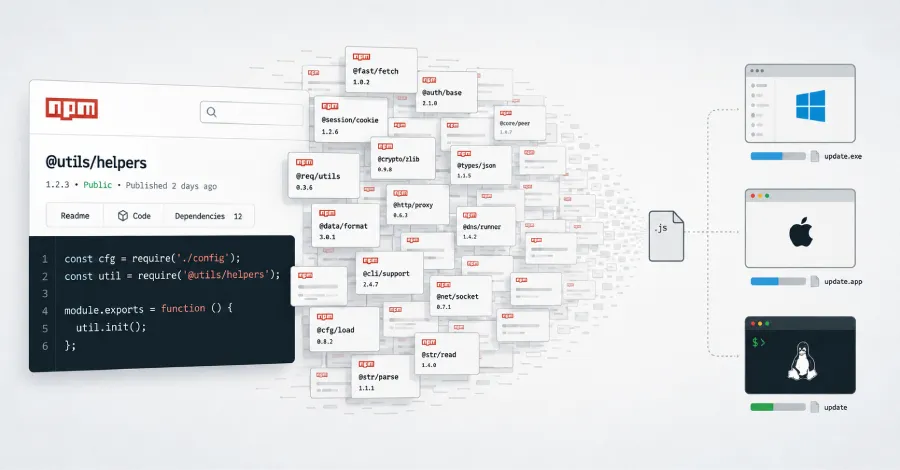
In the ever-evolving landscape of cybersecurity, the rise of malicious npm packages serves as a stark reminder of the vulnerabilities that lurk within popular development ecosystems. Recently, researchers uncovered nearly 800 npm packages designed to deliver Remote Access Trojans (RATs) and information stealers, posing significant threats to developers and organizations alike. This alarming trend not only highlights the ease with which attackers can infiltrate systems but also underscores the critical importance of identity security in a world where breaches are becoming increasingly common.
As the software supply chain continues to grow in complexity, understanding the implications of these malicious packages becomes essential for businesses that rely on open-source libraries. Let's dive deeper into the nature of these threats, their impact on identity exposure, and the measures that organizations can take to safeguard their software development environments.
The Growing Threat of Malicious npm Packages
npm, or Node Package Manager, is a widely used package manager for JavaScript programming, enabling developers to share and reuse code efficiently. However, its popularity has made it an attractive target for cybercriminals. The recent discovery of nearly 800 malicious packages in the npm registry is a glaring example of this trend, with many of them designed to install RATs that can compromise systems and exfiltrate sensitive data.
Understanding Remote Access Trojans (RATs)
Remote Access Trojans are a type of malware that allow attackers to gain unauthorized access to a user's computer. Once installed, RATs can provide cybercriminals with control over the affected system, enabling them to perform a variety of malicious activities, such as:
- Stealing sensitive information, including passwords and financial data
- Recording keystrokes to capture sensitive user input
- Accessing webcams and microphones for spying
- Spreading malware to other systems
The prevalence of these malicious npm packages poses a significant risk, particularly in environments where development teams are leveraging third-party libraries without comprehensive security vetting.

Identity Exposure: A Critical Vulnerability
The implications of these malicious packages extend beyond the immediate risks posed by RATs. Identity exposure is a critical vulnerability that can unlock active attack paths within organizations. When developers unknowingly introduce compromised packages into their codebases, they may inadvertently provide attackers with a foothold to escalate privileges and navigate through various systems.
Mapping Cross-Domain Privilege Escalation
Cross-domain privilege escalation refers to the process by which an attacker gains access to a user's credentials or session and utilizes that access to move laterally across different systems. This tactic can sever breach routes at key choke points, making it easier for attackers to infiltrate sensitive data repositories or critical infrastructure. Some common paths exploited by attackers include:
- Gaining access to developer credentials through compromised npm packages
- Leveraging stolen credentials to access cloud services and APIs
- Utilizing exposed identities to infiltrate corporate networks
By understanding and mapping these attack paths, organizations can develop more effective strategies to mitigate risks associated with identity exposure.

Protecting Your Development Environment
As the threat landscape continues to evolve, organizations must adopt proactive measures to protect their development environments from the risks posed by malicious npm packages. Here are several best practices that can help safeguard against these threats:
- Implement Code Reviews: Regularly conduct code reviews to identify any suspicious or unauthorized package usage.
- Utilize Security Tools: Leverage automated security tools that can scan npm packages for known vulnerabilities and malicious behavior.
- Educate Developers: Provide training for developers on secure coding practices and the importance of vetting third-party libraries.
- Monitor Package Updates: Stay informed about updates to npm packages and promptly address any security advisories released by the community.
By adopting a proactive approach to security, organizations can significantly reduce their exposure to risks associated with malicious packages.

Key Takeaways
- Nearly 800 malicious npm packages have been discovered, posing serious risks to software development.
- Remote Access Trojans (RATs) can compromise systems and steal sensitive data.
- Identity exposure can create pathways for attackers to escalate privileges across systems.
- Implementing security best practices can help safeguard against these evolving threats.
- Awareness and education are critical components of a secure development environment.
Frequently Asked Questions
What should I do if I suspect a malicious npm package?
If you suspect that you’ve installed a malicious npm package, it’s crucial to take immediate action. First, remove the package from your project and run a thorough security scan on your system to identify any potential breaches. Next, change any passwords that may have been compromised and monitor your systems for unusual activity. Reporting the package to npm can also help prevent others from falling victim to the same threat.
How can organizations address identity exposure risks?
Organizations can mitigate identity exposure risks by implementing strict access controls, utilizing multi-factor authentication, and regularly auditing user privileges. Additionally, fostering a culture of security awareness among employees can help identify and address vulnerabilities before they can be exploited. Regular security assessments can also assist in identifying potential weaknesses in the system.
What tools can help secure npm packages?
There are several tools available that can help secure npm packages, including Snyk, npm audit, and SonarQube. These tools can automatically scan dependencies for known vulnerabilities, alerting developers to potential risks before they become a problem. Integrating these tools into the development workflow can create a more secure coding environment.
Are all npm packages safe to use?
Not all npm packages are safe, and caution should always be exercised when integrating third-party libraries into projects. Developers should verify the credibility of the packages they use by checking the maintainer’s reputation, the frequency of updates, and community feedback. Utilizing tools that scan for vulnerabilities can further enhance security.
Comments
Innovative Patterns: Evading Surveillance in the Digital Age
Bill Swearingen's noRecognition project introduces computer-generated patterns that can effectively prevent surveillance cameras from detecting individuals and vehicles, sparking discussions about privacy rights and the future of surveillance technology.

Related articles


Popular in Cybersecurity
- Federal Mandate for Autonomous Vehicles: A Call for Safety Compliance
- EU Mandates Google to Share Data and Open AI on Android: What It Means
- GitHub Revamps Bug Bounty Program: Implications for Developers and Security
- Australian Government Disables Thousands of Functional Broadband Routers: A Wasteful Decision
- Exploiting Redis: Understanding Zero-Day Vulnerabilities and Their Mitigation