The Controversial Executive Order: Linking Vaccines and Autism
Rumors of a White House executive order linking vaccines to autism spark concern among health experts and advocates. This article explores the implications and scientific consensus surrounding this contentious issue.
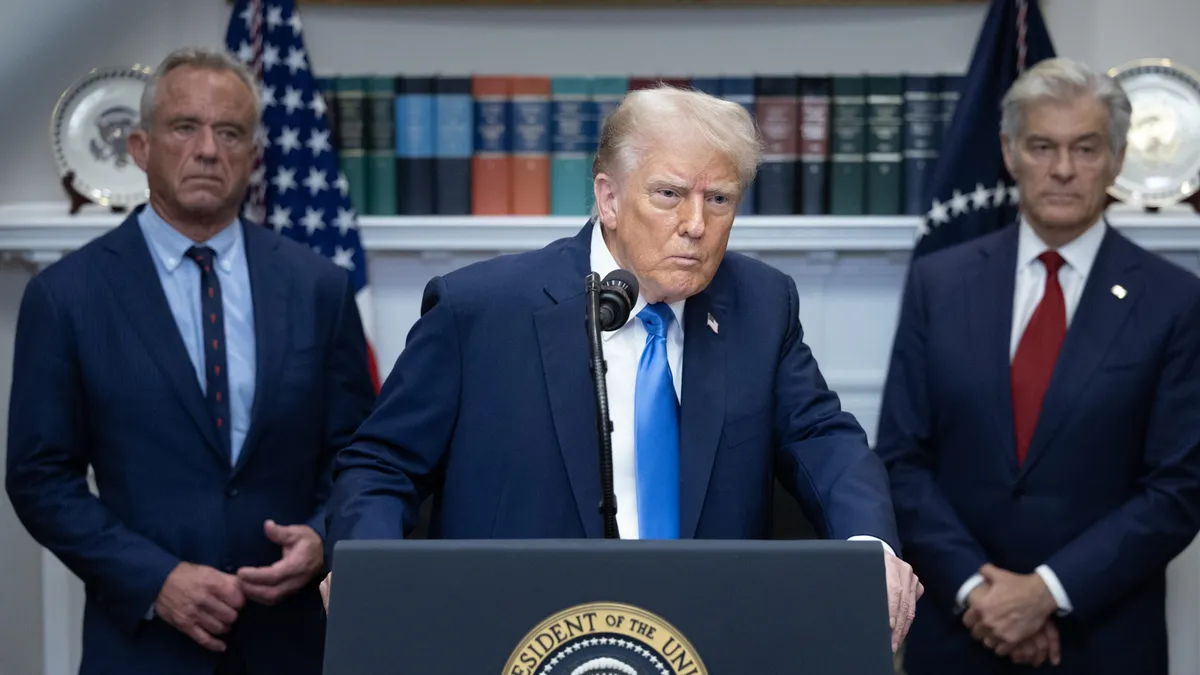
The ongoing debate over childhood vaccinations has entered a new and troubling phase, with reports emerging that the White House is drafting an executive order that may link vaccines to autism. This initiative, attributed to President Donald Trump, raises significant concerns among public health officials, scientists, and advocates for autism awareness. The proposed order, which is still in development and could be issued imminently, has sparked alarm due to its foundation on discredited claims that have been thoroughly debunked by the scientific community.
At the heart of this controversy are decades of rigorous research involving millions of children, all of which consistently demonstrate no causal relationship between vaccines and autism. The original claim linking the two can be traced back to a fraudulent study published in the late 1990s, which has since been retracted and discredited, leading to the revocation of the author's medical license. Nonetheless, the narrative persists, fueled by misinformation and political maneuvering, creating a perfect storm for public health advocacy.
The Origins of Vaccine-Autism Misinformation
The fraudulent study that first suggested a link between vaccines and autism was conducted by Andrew Wakefield and published in 1998 in The Lancet. This study, based on a mere 12 case reports, has since been thoroughly discredited. Numerous large-scale, peer-reviewed studies have failed to find any correlation between the MMR (measles, mumps, rubella) vaccine and autism, including:
- A 2019 study involving over 650,000 children in Denmark
- A 2014 meta-analysis of over 1.2 million children
- Ongoing research funded by the CDC and WHO
Despite this overwhelming body of evidence, vaccine skepticism continues to thrive, particularly in certain political circles. The persistence of this misinformation raises critical questions about public trust in vaccines and the potential implications for public health.

Political Implications of the Executive Order
According to reports from reputable sources such as The Washington Post and Bloomberg, the drafting of the executive order is not merely an administrative formality; it reflects a broader political strategy that could have profound implications for healthcare policy in the United States. Analysts have noted that promoting the false link between vaccines and autism is seen as politically risky, especially given the backlash from public health experts and a majority of voters who reject the narrative. Nevertheless, Trump's reported desire to be remembered as the president who “cured” autism suggests personal motivations driving this initiative.
Influence of Anti-Vaccine Activism
Central to this controversy is Robert F. Kennedy Jr., the current Secretary of Health, who has long been an outspoken critic of vaccines and a proponent of the debunked vaccine-autism link. While Kennedy has recently toned down his public discussions about vaccines, his influence within the Trump administration raises concerns about the integrity of health policy being driven by political agendas rather than scientific evidence. This dynamic complicates the already fraught relationship between the government and health advocacy groups.
Public Health Advocacy and Scientific Consensus
In response to the potential executive order, leading medical organizations, scientists, and autism advocacy groups have voiced their strong opposition. The consensus among these groups is clear: pursuing the discredited vaccine-autism link detracts from legitimate autism research and treatment efforts. The focus should be on evidence-based practices and understanding the true causes of autism, which remain largely unknown.
By perpetuating the vaccine-autism narrative, resources and attention are diverted away from critical issues such as:
- Identifying genetic and environmental factors that contribute to autism
- Improving healthcare access for individuals with autism
- Enhancing early intervention strategies for children
As the White House prepares to unveil its order, advocates are urging a return to science-based discussions that prioritize public health over political posturing.
Future of Vaccination Policy
The ramifications of linking vaccines to autism extend beyond immediate public health concerns; they could reshape vaccination policy in the U.S. in significant ways. If enacted, the executive order could lead to a rollback of vaccination mandates and altered guidelines for childhood immunization schedules. Such changes could have dire consequences, including the resurgence of vaccine-preventable diseases.
With vaccination rates already declining in some areas, the potential impact of this order could lead to outbreaks of diseases like measles and mumps, which had previously been under control. The public health community is closely monitoring this situation, advocating for robust public education campaigns to counter misinformation and promote the safety and efficacy of vaccines.
Key Takeaways
- The proposed executive order linking vaccines to autism is based on discredited claims.
- Numerous studies have consistently found no evidence supporting a vaccine-autism link.
- Political motivations behind vaccine skepticism are complicating public health efforts.
- Advocacy groups urge a focus on evidence-based research and practices.
- The potential policy changes could have serious public health implications.
Frequently Asked Questions
What is the scientific consensus on vaccines and autism?
The scientific consensus, supported by extensive research, is that there is no link between vaccines and autism. Major health organizations, including the CDC and WHO, endorse vaccination as safe and effective. The narrative suggesting a connection is based on a fraudulent study and has been thoroughly debunked.
How could an executive order affect vaccination rates?
An executive order that promotes the false link between vaccines and autism could undermine public confidence in vaccinations, leading to lower vaccination rates. This decline could result in outbreaks of previously controlled diseases, posing significant health risks, particularly to children and vulnerable populations.
What role do political figures play in vaccine misinformation?
Political figures can significantly influence public perception of vaccines through their statements and policies. When influential leaders promote vaccine misinformation, it can erode trust in public health recommendations, making it difficult for healthcare professionals to advocate for essential vaccinations.
What can be done to counter vaccine misinformation?
Countering vaccine misinformation requires coordinated efforts from healthcare professionals, policymakers, and advocacy groups. Public education campaigns that provide clear, evidence-based information about the safety and efficacy of vaccines are essential. Additionally, fostering open dialogues within communities can help dispel myths and reinforce public confidence in vaccines.
Comments
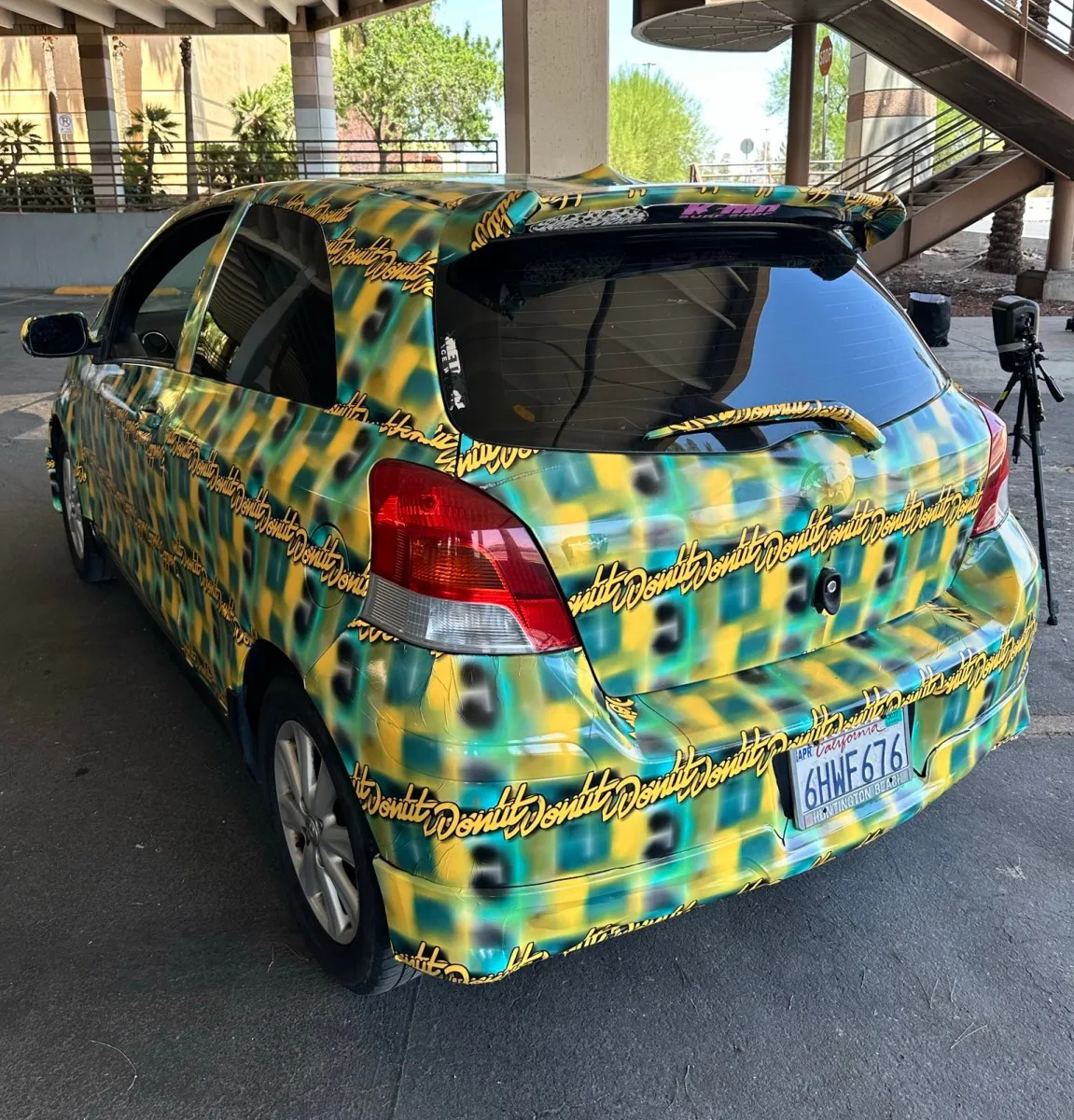
Innovative Patterns: Evading Surveillance in the Digital Age
Bill Swearingen's noRecognition project introduces computer-generated patterns that can effectively prevent surveillance cameras from detecting individuals and vehicles, sparking discussions about privacy rights and the future of surveillance technology.
Related articles







Popular in Cybersecurity
- Federal Mandate for Autonomous Vehicles: A Call for Safety Compliance
- EU Mandates Google to Share Data and Open AI on Android: What It Means
- GitHub Revamps Bug Bounty Program: Implications for Developers and Security
- Australian Government Disables Thousands of Functional Broadband Routers: A Wasteful Decision
- Exploiting Redis: Understanding Zero-Day Vulnerabilities and Their Mitigation