Chinese Zbtlink Routers Found with Critical Backdoor Vulnerability
Recent findings reveal that Zbtlink routers, manufactured in China, contain a significant security flaw that exposes users to serious cybersecurity risks. This backdoor allows for unauthenticated root access, putting sensitive data and network integrity at risk.
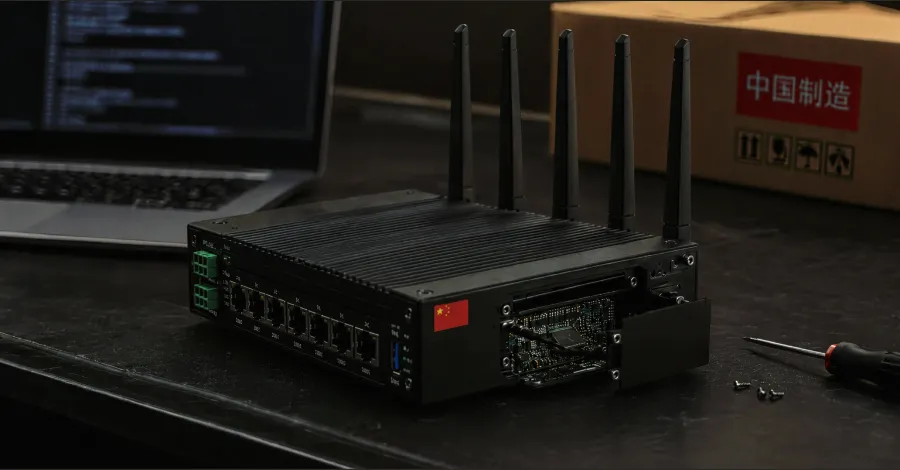
The cybersecurity landscape is constantly evolving, and with it, the threats that businesses face on a daily basis. Recently, a major security flaw was uncovered in Zbtlink routers, a brand of networking equipment manufactured in China. These routers were found to contain a backdoor that allows for unauthenticated root access, posing serious risks to users and their networks. This vulnerability not only compromises the integrity of the devices but also raises alarming questions about the security of supply chains and the implications for businesses reliant on such hardware.
As organizations increasingly depend on remote work and cloud services, the security of networking devices has never been more critical. The discovery of this backdoor is a stark reminder of the importance of rigorous security assessments and the potential consequences of overlooking vulnerabilities in seemingly benign hardware.
The Zbtlink Router Vulnerability Explained
Zbtlink routers, commonly used in home and office networks, are designed to facilitate internet connectivity and manage network traffic. However, the recent findings indicate that these devices have a significant security flaw: a backdoor that allows unauthorized users to gain root access without authentication. This means that an attacker could potentially seize control of the router, modify settings, intercept data, and even launch attacks on connected devices.
How Does the Backdoor Work?
The backdoor was reportedly discovered through security research efforts aimed at identifying vulnerabilities in Internet of Things (IoT) devices. By exploiting this flaw, an attacker can bypass the normal authentication processes, which are supposed to protect access to sensitive settings and data. This can lead to severe consequences, including:
- Unauthorized Access: Attackers can configure the router settings to redirect traffic or disable security features.
- Data Interception: Sensitive information transmitted through the network can be captured and exploited.
- Network Takeover: Attackers can gain control of the entire network, leading to further breaches.

The Broader Implications of Backdoor Vulnerabilities
The discovery of backdoors in consumer-grade hardware like Zbtlink routers has significant implications for cybersecurity at large. It underscores the need for comprehensive security protocols throughout the supply chain, particularly for devices manufactured in regions with less stringent cybersecurity regulations.
Supply Chain Security Concerns
As more companies outsource hardware manufacturing, the security of these devices often falls into the hands of foreign manufacturers. This situation raises critical questions about trust, oversight, and the potential for state-sponsored cyber threats. In the case of Zbtlink routers, the backdoor vulnerability not only affects individual users but also poses a risk to businesses that rely on these devices for their operations.
Organizations must implement stringent security measures to mitigate these risks, including:
- Conducting regular security audits of all networking hardware.
- Utilizing network segmentation to limit access to sensitive information.
- Keeping firmware updated to patch known vulnerabilities.
- Implementing monitoring tools to detect unauthorized access attempts.

Legal and Regulatory Considerations
The emergence of backdoor vulnerabilities in commercial products also raises legal and regulatory questions. Governments are increasingly concerned about the security of infrastructure and the potential for foreign interference through compromised devices. This vulnerability could prompt calls for stricter regulations on the importation and use of foreign-manufactured networking equipment.
Potential Legislative Reactions
In response to these concerns, lawmakers may consider measures such as:
- Increased scrutiny of imported hardware to ensure compliance with cybersecurity standards.
- Incentives for domestic manufacturing of networking equipment.
- Requirements for manufacturers to disclose known vulnerabilities and backdoors.

What Users Should Do Immediately
For consumers and businesses using Zbtlink routers, immediate action is essential to safeguard their networks. Here are some steps to take:
- Change Default Passwords: Ensure that all default passwords for the router and connected devices are changed to strong, unique passwords.
- Update Firmware: Regularly check for firmware updates from the manufacturer and apply them to close any security gaps.
- Monitor Network Traffic: Use network monitoring tools to detect unusual activity that could indicate a breach.
Key Takeaways
- Zbtlink routers are vulnerable due to a backdoor allowing unauthorized root access.
- This vulnerability poses serious risks, including data interception and network takeover.
- Organizations must implement rigorous security protocols to safeguard their networks.
- Legal implications may arise as governments respond to the increased threat of compromised hardware.
- Users should take immediate action to secure their devices and networks.
Frequently Asked Questions
What exactly is a backdoor in the context of cybersecurity?
A backdoor is a method that bypasses normal authentication processes, providing unauthorized access to a system or device. In the case of Zbtlink routers, the backdoor allows attackers to access sensitive settings and control the device without needing legitimate credentials, which can lead to severe security breaches.
How can I determine if my Zbtlink router is affected?
If you are using a Zbtlink router, you should check for any firmware updates or security advisories issued by the manufacturer. Additionally, monitoring network activity for unusual behavior can help identify potential compromises. It is advisable to consult the manufacturer’s website or contact their support for specific guidance.
What steps can I take to secure my network against such vulnerabilities?
To enhance your network security, implement strong password policies, regularly update firmware, and use network segmentation to limit access to sensitive data. Additionally, consider employing intrusion detection systems and monitoring tools to detect and respond to unauthorized access attempts.
Comments
CISA Warns of Active Exploitation of TeamCity RCE Vulnerability
The Cybersecurity and Infrastructure Security Agency (CISA) has issued a warning regarding a critical remote code execution vulnerability in TeamCity. This article explores the implications of CVE-2026-63077 for businesses and the cybersecurity landscape.

Related articles





Popular in Cybersecurity
- Federal Mandate for Autonomous Vehicles: A Call for Safety Compliance
- EU Mandates Google to Share Data and Open AI on Android: What It Means
- GitHub Revamps Bug Bounty Program: Implications for Developers and Security
- Australian Government Disables Thousands of Functional Broadband Routers: A Wasteful Decision
- Exploiting Redis: Understanding Zero-Day Vulnerabilities and Their Mitigation