Exposed Rockwell PLCs: A Wake-Up Call for Cybersecurity in Critical Infrastructure
Over 4,400 Rockwell PLCs are exposed online, with 22 located in cities vulnerable to water attacks. This situation raises serious cybersecurity concerns for critical infrastructure.
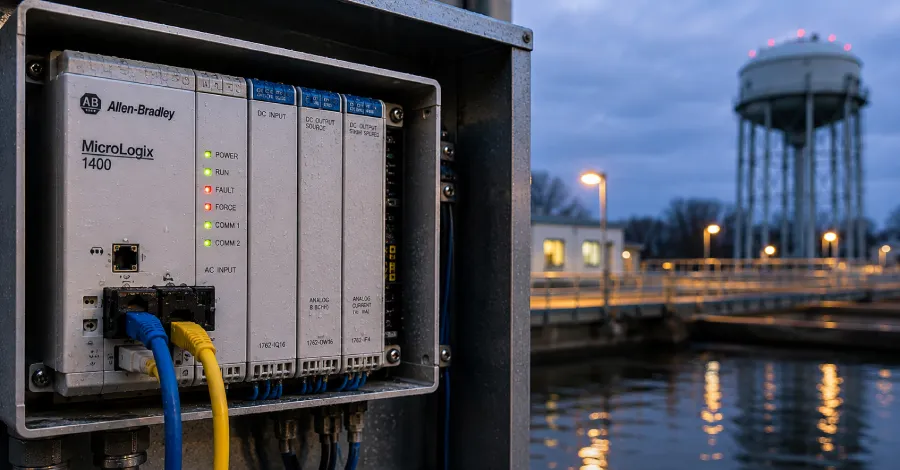
The recent discovery that over 4,400 Rockwell Programmable Logic Controllers (PLCs) are exposed online has sent shockwaves through the cybersecurity community. Among these, a staggering 22 PLCs are situated in cities deemed vulnerable to water supply attacks. This alarming situation not only underscores the vulnerabilities inherent in critical infrastructure but also highlights the pressing need for robust cybersecurity measures across sectors.
As cities and industries increasingly depend on interconnected systems and automation, the exposure of such critical components raises significant questions about the safety and resilience of our infrastructure. The potential for cyberattacks to disrupt essential services like water supply is no longer a theoretical concern; it is an imminent threat that demands urgent attention.
The Importance of Programmable Logic Controllers in Modern Infrastructure
PLCs are essential components in industrial automation, controlling machinery, processes, and systems across various sectors, including manufacturing, transportation, and utilities. Their role in critical infrastructure is particularly pronounced, as they ensure the reliability and efficiency of public services. However, their connectivity to the internet also makes them prime targets for cybercriminals.
Understanding PLC Vulnerabilities
PLCs are often designed with operational functionality in mind, frequently at the expense of security. Many PLCs run on outdated software and lack robust security features, making them susceptible to various attack vectors:
- Unpatched Software: Many PLCs operate on legacy systems that are not regularly updated, leaving them vulnerable to known exploits.
- Weak Credentials: Default passwords or weak authentication mechanisms can easily be exploited by attackers.
- Network Exposure: PLCs connected to the internet or poorly secured networks can be accessed remotely, increasing their risk of attack.
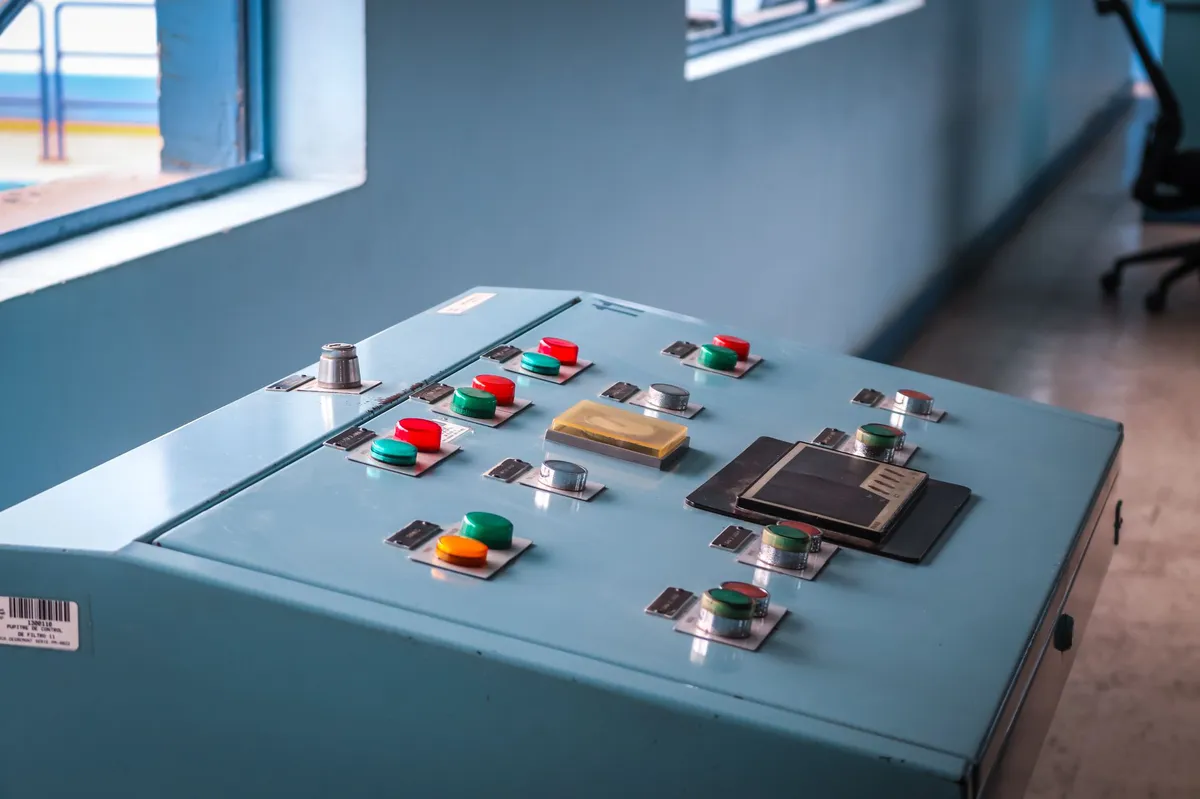
The Risks of Exposure: Case Studies from Vulnerable Cities
The exposure of Rockwell PLCs is particularly concerning in cities with critical water infrastructure. For instance, the presence of PLCs in urban areas with aging water systems raises the stakes for potential attacks. Cybercriminals can exploit vulnerabilities to manipulate water treatment processes, potentially leading to contamination or disruption of supply.
Real-World Implications
To illustrate the risks, consider a hypothetical scenario in which a cybercriminal gains access to a water treatment facility's PLC. By manipulating chemical dosing systems, they could introduce harmful substances into the water supply, posing significant health risks to residents. This scenario is not far-fetched, as similar attacks have occurred globally, prompting governments to reevaluate their cybersecurity strategies.
Cross-Domain Privilege Escalation: A Critical Attack Path
Understanding how cybercriminals can exploit vulnerabilities across different domains is crucial for enhancing cybersecurity in critical infrastructure. Cross-domain privilege escalation refers to the ability of an attacker to gain higher access rights within a system or across interconnected systems.
Identifying Key Choke Points
In the context of Rockwell PLCs, key choke points include:
- Network Segmentation: Poorly defined boundaries between operational technology (OT) and information technology (IT) networks create opportunities for attackers to move laterally.
- Access Controls: Inadequate controls can allow attackers to access sensitive systems once they gain entry into a less secure environment.
- Incident Response Plans: Lack of effective plans can lead to delayed responses, exacerbating the impact of an attack.

Mitigating Risks: Best Practices for Security
To address the vulnerabilities highlighted by the exposure of Rockwell PLCs, organizations must adopt a multi-layered approach to cybersecurity. Here are several best practices:
Prioritize Security Upgrades
Organizations should regularly update and patch software on PLCs to eliminate known vulnerabilities. Implementing strong security protocols, such as multi-factor authentication, can also enhance protection against unauthorized access.
Implement Network Segmentation
By separating OT and IT networks, organizations can minimize the risk of lateral movement by attackers. This segmentation creates additional barriers that make it more difficult for cybercriminals to access critical systems.
Conduct Regular Security Audits
Routine assessments of network security can help organizations identify vulnerabilities and implement corrective measures before they can be exploited.

Key Takeaways
- Over 4,400 Rockwell PLCs are exposed online, with significant vulnerabilities in critical infrastructure.
- 22 of these PLCs are located in cities with water treatment facilities, raising serious security concerns.
- Cross-domain privilege escalation can lead to severe consequences if not addressed.
- Implementing best practices, such as regular software updates and network segmentation, is essential for mitigating risks.
Frequently Asked Questions
What are PLCs and why are they important?
Programmable Logic Controllers (PLCs) are specialized computers used for industrial automation and control processes. They play a crucial role in managing operations in various sectors, including manufacturing and utilities. Their importance lies in their ability to control complex systems reliably and efficiently, making them a backbone of modern infrastructure.
How can organizations protect their PLCs from cyber threats?
Organizations can protect their PLCs by implementing strong security measures, such as regularly updating software, enforcing strong passwords, and using network segmentation to isolate critical systems. Additionally, conducting regular security audits can help identify and address vulnerabilities proactively.
What are the potential consequences of a cyberattack on critical infrastructure?
The consequences of a cyberattack on critical infrastructure can be severe, ranging from service disruptions to threats to public health and safety. For example, an attack on a water treatment facility could lead to contamination of the water supply, posing risks to the health of residents and leading to widespread panic.
Comments
CISA Warns of Active Exploitation of TeamCity RCE Vulnerability
The Cybersecurity and Infrastructure Security Agency (CISA) has issued a warning regarding a critical remote code execution vulnerability in TeamCity. This article explores the implications of CVE-2026-63077 for businesses and the cybersecurity landscape.
Related articles


Popular in Cybersecurity
- Federal Mandate for Autonomous Vehicles: A Call for Safety Compliance
- EU Mandates Google to Share Data and Open AI on Android: What It Means
- GitHub Revamps Bug Bounty Program: Implications for Developers and Security
- Australian Government Disables Thousands of Functional Broadband Routers: A Wasteful Decision
- Exploiting Redis: Understanding Zero-Day Vulnerabilities and Their Mitigation