Security Flaws in Major Cloud Platforms: Implications for Businesses
Recent vulnerabilities discovered in AWS, Google, and Vercel highlight critical security weaknesses that could allow attackers to exploit tools without executing models. Understanding these flaws is essential for organizations relying on cloud services.
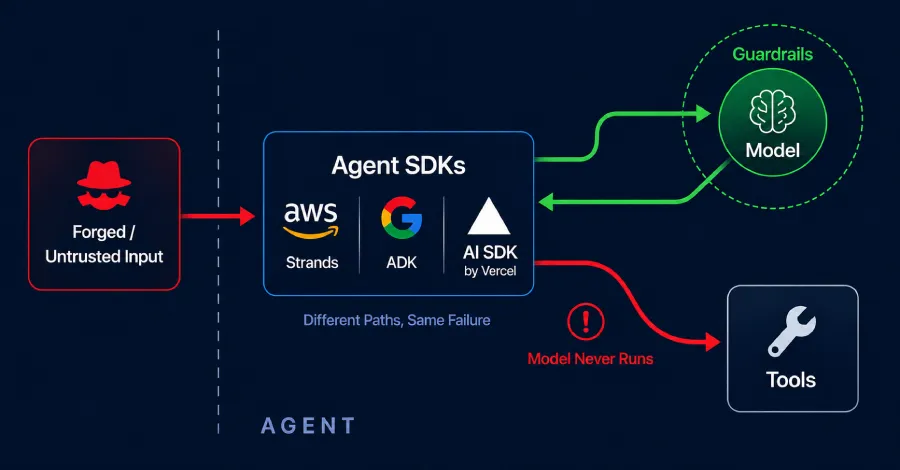
The rapid adoption of cloud computing has transformed the way businesses operate, offering scalability, flexibility, and cost efficiency. Yet, with the increasing reliance on cloud services comes a heightened risk of cybersecurity vulnerabilities. Recently, security experts uncovered significant flaws in major cloud platforms, including Amazon Web Services (AWS), Google Cloud, and Vercel. These vulnerabilities could allow attackers to trigger tools without executing the underlying models, exposing organizations to potential breaches. Understanding these weaknesses is crucial for businesses that depend on cloud infrastructure to safeguard their sensitive data and maintain operational integrity.
As cloud environments grow more complex, the need for vigilant cybersecurity measures becomes paramount. This article delves into the nature of these vulnerabilities, the specific risks they pose, and actionable steps organizations can take to mitigate potential threats.
Understanding the Vulnerabilities
The vulnerabilities identified in AWS, Google, and Vercel stem from cross-domain privilege escalation flaws. Such flaws can allow malicious actors to gain unauthorized access to cloud resources, effectively severing the defenses that organizations have in place to protect against data breaches.
Mechanisms of Exploitation
These security flaws work by enabling attackers to trigger specific tools within cloud environments without needing to run the models that those tools rely on. For example, an attacker could exploit these vulnerabilities to manipulate cloud functions or access sensitive data, leading to unauthorized actions that compromise system integrity.
Key points regarding these vulnerabilities include:- **Cross-Domain Privilege Escalation**: Attackers can elevate their access rights.
- **Tool Activation without Model Execution**: This allows for direct manipulation of cloud functions.
- **Potential Data Breaches**: Unauthorized access can lead to significant data exposure.

The Impact on Businesses
The ramifications of these vulnerabilities are profound. Organizations that leverage cloud platforms for their operations must recognize the potential risks associated with these security flaws. A successful attack could lead to data loss, regulatory fines, and damage to an organization's reputation.
Real-World Consequences
Consider a scenario where a company's sensitive client data is accessed due to an exploited vulnerability in their cloud environment. Not only could this lead to financial losses, but it could also erode customer trust. Furthermore, businesses might face legal repercussions if they fail to protect sensitive information appropriately, leading to costly lawsuits and penalties.
Mitigating Risks: Best Practices for Cloud Security
In light of these vulnerabilities, organizations should adopt a proactive approach to cloud security. Here are several best practices to implement:
- **Regular Security Audits**: Conduct routine audits of cloud configurations and access controls.
- **Implement Least Privilege Access**: Limit user permissions to only what is necessary for their roles.
- **Monitor for Anomalies**: Utilize security monitoring tools to detect unusual activities in real-time.
- **Update Software Regularly**: Ensure that all cloud services and related software are kept up to date with the latest security patches.

Legal and Regulatory Considerations
In addition to the technical implications, organizations must also navigate the legal landscape surrounding data protection. Various regulations, such as the General Data Protection Regulation (GDPR) and the California Consumer Privacy Act (CCPA), impose strict requirements on how businesses must handle personal data. Failure to comply with these regulations, especially in light of security vulnerabilities, can result in hefty fines.
Understanding Compliance Obligations
Organizations should stay informed about relevant regulations and ensure that their cloud security practices align with compliance requirements. This may involve appointing a data protection officer, conducting impact assessments, and regularly reviewing data handling policies.

Key Takeaways
- Recent vulnerabilities in AWS, Google, and Vercel could expose businesses to significant security risks.
- Attackers can exploit these flaws to trigger tools without executing models, leading to unauthorized data access.
- Proactive security measures are essential to mitigate risks and protect sensitive information.
- Compliance with legal and regulatory frameworks is critical for managing risk and avoiding penalties.
Frequently Asked Questions
What specific vulnerabilities were identified in AWS, Google, and Vercel?
The identified vulnerabilities primarily revolve around cross-domain privilege escalation, which allows attackers to gain unauthorized access to cloud resources. This means they can manipulate cloud functions or access sensitive data without executing the underlying models, leading to potential breaches.
How can organizations protect themselves from these vulnerabilities?
Organizations can protect themselves by implementing best practices such as conducting regular security audits, applying the principle of least privilege, monitoring for anomalies, and ensuring that all software is updated with the latest security patches. These proactive measures can significantly reduce the risk of exploitation.
What are the potential consequences of a data breach due to these vulnerabilities?
A data breach resulting from these vulnerabilities can lead to serious consequences, including financial losses, legal penalties, and reputational damage. Organizations may face lawsuits, regulatory fines, and a loss of customer trust, all of which can have long-lasting impacts on business operations.
Are there any regulatory requirements organizations need to be aware of?
Yes, organizations must comply with various legal and regulatory frameworks concerning data protection, such as GDPR and CCPA. These regulations require businesses to handle personal data responsibly and impose strict penalties for non-compliance. Staying informed and aligning cloud security practices with these regulations is crucial for risk management.
Comments
CISA Warns of Active Exploitation of TeamCity RCE Vulnerability
The Cybersecurity and Infrastructure Security Agency (CISA) has issued a warning regarding a critical remote code execution vulnerability in TeamCity. This article explores the implications of CVE-2026-63077 for businesses and the cybersecurity landscape.
Related articles





Popular in Cybersecurity
- Federal Mandate for Autonomous Vehicles: A Call for Safety Compliance
- EU Mandates Google to Share Data and Open AI on Android: What It Means
- GitHub Revamps Bug Bounty Program: Implications for Developers and Security
- Australian Government Disables Thousands of Functional Broadband Routers: A Wasteful Decision
- Exploiting Redis: Understanding Zero-Day Vulnerabilities and Their Mitigation