Apple iCloud Private Relay Vulnerability: A Deep Dive into IP Exposure Risks
Apple's iCloud Private Relay, designed to protect user privacy, has been found to have vulnerabilities that may expose real IP addresses. This article explores the implications of these risks and what users can do to safeguard their data.
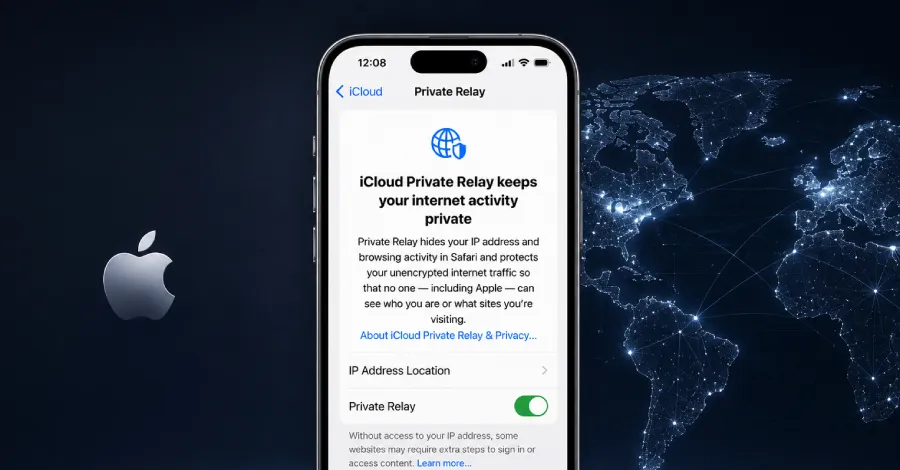
In an age where digital privacy is of paramount importance, Apple's iCloud Private Relay was introduced as an innovative feature aimed at enhancing users' online security. Designed to mask users' IP addresses while browsing the web, it ostensibly offers a robust shield against prying eyes, allowing users to navigate the internet more securely. However, recent revelations have raised concerns about the actual efficacy of this service, highlighting potential vulnerabilities that could inadvertently expose users' real IP addresses through WebKit proxy bypasses. This article takes a closer look at these vulnerabilities, their implications for user privacy, and what measures can be taken to mitigate risks.
Understanding iCloud Private Relay
iCloud Private Relay is part of Apple's privacy-centric initiatives that aim to provide users with greater control over their online presence. By routing internet traffic through two separate internet relays, Apple claims to obscure users' IP addresses from websites and service providers, enhancing anonymity. In theory, this means that users can browse the web without revealing their geographic location or identity. However, the mechanics of this privacy feature are not without flaws.

Vulnerabilities in the System
Recent investigations have uncovered that certain scenarios allow for the potential exposure of real IP addresses. This occurs particularly through WebKit, the underlying engine used by Safari and other Apple apps for rendering web content. When exploiting these vulnerabilities, malicious actors can leverage cross-domain privilege escalation, creating pathways that lead back to the user's true IP address.
How the Exploit Works
The exposure happens when a website interacts with multiple domains, leading to a situation where WebKit's handling of requests may not adequately separate the user's actual IP from the anonymized connection. This flaw can be exploited by creating a series of steps that incrementally reveal the user's IP address, even when the Private Relay is active. The implications are significant, as attackers can map out these vulnerabilities to identify potential targets, making it easier to conduct more invasive actions or breaches.
Real-World Implications
The exposure of real IP addresses can have severe consequences for user privacy. For instance, if an individual is browsing sensitive content or conducting financial transactions, the risk of being tracked or targeted increases dramatically. This is particularly troubling for users in regions with oppressive regimes or for those working in fields that require confidentiality, such as journalists or whistleblowers.
Case Studies: Identity Exposure
Several documented cases have illustrated how identity exposure can lead to active attack paths. For example:
- Case Study 1: A journalist in a politically sensitive environment used iCloud Private Relay to browse anonymously. However, due to the WebKit vulnerability, local authorities were able to trace their real IP address, leading to harassment.
- Case Study 2: An organization involved in whistleblowing faced a data breach when a member's IP was exposed through a web application that failed to properly implement Private Relay's privacy features.
- Case Study 3: A user attempted to access sensitive medical information while using the Private Relay but was inadvertently tracked back to their real IP, compromising their confidentiality.

Mitigating the Risks
Given the potential risks associated with iCloud Private Relay's vulnerabilities, users must take proactive steps to protect their data. Here are some recommended strategies:
- Use a VPN: While iCloud Private Relay offers some level of protection, combining it with a reputable Virtual Private Network (VPN) can provide an additional layer of security, ensuring that all internet traffic is encrypted and routed through a secure server.
- Regularly Update Software: Keeping all devices and applications updated helps patch known vulnerabilities, reducing the risk of exposure.
- Limit Sensitive Activity: Users should be cautious when conducting sensitive activities online, such as banking or accessing personal data, especially if relying solely on Private Relay for privacy.
- Monitor IP Exposure: Users can utilize online tools to check if their real IP address is being leaked, allowing them to take action if necessary.

Key Takeaways
- iCloud Private Relay aims to enhance user privacy but has vulnerabilities that can expose real IP addresses.
- WebKit proxy bypasses can lead to identity exposure, creating significant risks for users.
- Proactive measures, such as using VPNs and regularly updating software, are essential for safeguarding privacy.
- Awareness of these vulnerabilities is crucial for individuals in sensitive professions or environments.
Frequently Asked Questions
What is iCloud Private Relay?
iCloud Private Relay is a feature offered by Apple that aims to protect users' online privacy by masking their IP addresses while browsing the web. It works by routing internet traffic through two separate relays, making it difficult for websites and service providers to track user activity. However, vulnerabilities have been identified that may compromise its effectiveness.
How can my real IP address be exposed while using iCloud Private Relay?
Real IP addresses can be exposed through WebKit proxy bypasses, where vulnerabilities in the system allow attackers to exploit cross-domain interactions to trace back to the user's actual IP address. This can happen even when the Private Relay feature is active, particularly in scenarios where web applications do not implement privacy features correctly.
What steps can I take to enhance my online privacy?
To improve online privacy, consider using a reputable VPN alongside iCloud Private Relay for additional security. Additionally, ensure that your devices and applications are up to date, limit sensitive online activities, and regularly monitor for any potential IP leaks.
Is iCloud Private Relay safe for sensitive browsing?
While iCloud Private Relay provides a layer of anonymity, the identified vulnerabilities suggest that it may not be entirely safe for sensitive browsing. Users should approach its use with caution and consider additional security measures, particularly when engaging in activities that require confidentiality.
Comments
CISA Warns of Active Exploitation of TeamCity RCE Vulnerability
The Cybersecurity and Infrastructure Security Agency (CISA) has issued a warning regarding a critical remote code execution vulnerability in TeamCity. This article explores the implications of CVE-2026-63077 for businesses and the cybersecurity landscape.
Related articles


Popular in Cybersecurity
- Federal Mandate for Autonomous Vehicles: A Call for Safety Compliance
- EU Mandates Google to Share Data and Open AI on Android: What It Means
- GitHub Revamps Bug Bounty Program: Implications for Developers and Security
- Australian Government Disables Thousands of Functional Broadband Routers: A Wasteful Decision
- Exploiting Redis: Understanding Zero-Day Vulnerabilities and Their Mitigation