Exploiting SQL Injection: How Attackers Gain SYSTEM Access Through Oracle Vulnerabilities
A recent spate of attacks highlights the dangers of SQL injection vulnerabilities in Oracle databases. This article delves into how attackers leverage these weaknesses, the implications for businesses, and preventive measures.
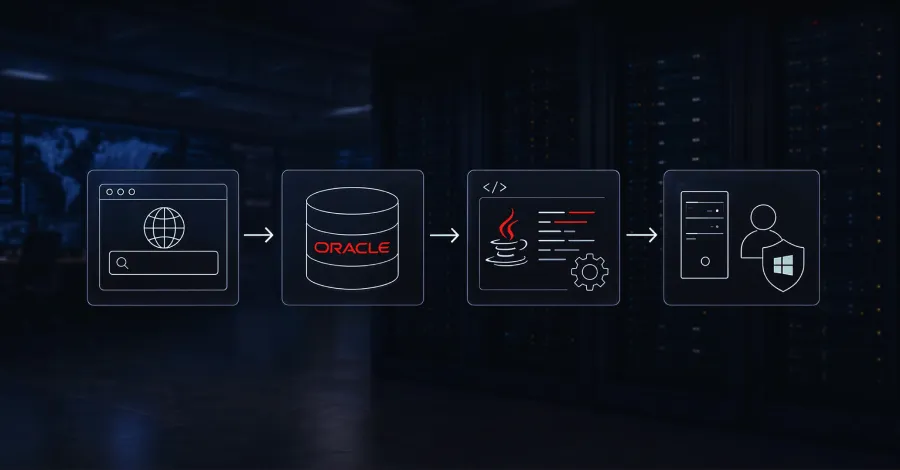
The world of cybersecurity is constantly evolving, with attackers developing increasingly sophisticated techniques to exploit vulnerabilities in widely used software. Recently, a concerning trend has emerged involving SQL injection attacks targeting Oracle databases, allowing malicious actors to escalate privileges to SYSTEM access on Windows environments. This article unpacks the details of these attacks, their implications for organizations, and what proactive measures can be taken to safeguard against such exploits.
Understanding SQL Injection Attacks
SQL injection is a type of cyber-attack where malicious SQL statements are inserted into an input field for execution. This method can manipulate or extract sensitive data from a database, potentially allowing unauthorized access to systems. The Oracle database, widely used across various industries, is not immune to these threats.
How the Attack Works
In the case of recent attacks against Oracle, attackers have developed a method to compile a component known as khunt inside the Oracle database environment. This component acts as a payload that, when executed, leverages SQL injection vulnerabilities to gain higher privileges within the system. Once the attacker achieves SYSTEM access, they can perform virtually any operation on the affected system, including accessing sensitive data, modifying configurations, and deploying further malware.

The Implications of Cross-Domain Privilege Escalation
Privilege escalation attacks, particularly those that can traverse across domains, pose significant risks to organizations. When attackers gain SYSTEM access, they can map out cross-domain privileges, enabling them to navigate through various parts of a network undetected. This capability allows for lateral movement within an organization's infrastructure, broadening the attack surface and increasing the potential damage.
Real-World Scenarios
There have been numerous documented cases where identity exposure through privilege escalation has led to devastating breaches. For instance, in one notable case, an attacker exploited a SQL injection vulnerability to access a financial institution's database. This breach resulted in the exposure of millions of customer records, leading to significant reputational and financial repercussions for the organization.
- Data Breaches: Exposed sensitive information can lead to identity theft.
- Financial Loss: Organizations may face fines and remediation costs.
- Reputation Damage: Trust is hard to regain after a breach.
- Operational Disruption: Breaches often lead to downtime and lost productivity.

Mitigating the Risks
To combat these risks, organizations must adopt a multi-layered security approach that includes robust database security practices. Here are several strategies to mitigate the risks associated with SQL injection attacks:
Implementing Security Best Practices
- Input Validation: Ensure that all user inputs are properly validated and sanitized before being processed.
- Least Privilege Principle: Limit database access rights to only those users who absolutely need them.
- Regular Security Audits: Conduct frequent audits and vulnerability assessments to identify and address potential weaknesses.
- Intrusion Detection Systems: Utilize tools that can detect unusual patterns or behaviors indicating a potential attack.

Key Takeaways
- SQL injection attacks can lead to severe security breaches, particularly in Oracle databases.
- Privilege escalation allows attackers to move laterally within an organization, increasing the risk of widespread damage.
- Implementing security best practices is crucial to mitigating the risks associated with these vulnerabilities.
Frequently Asked Questions
What is SQL Injection?
SQL injection is a type of cyber-attack where attackers insert malicious SQL queries into input fields to manipulate databases. This can lead to unauthorized access, data leakage, and system compromise.
How can organizations protect themselves against SQL Injection?
Organizations can protect against SQL injection by implementing secure coding practices, validating user input, employing web application firewalls (WAFs), and conducting regular security assessments to identify vulnerabilities.
What are the consequences of a successful SQL injection attack?
The consequences of a successful SQL injection attack can include data breaches, financial losses from fines and remediation efforts, reputational damage, and operational disruptions due to downtime and recovery efforts.
Comments
CISA Warns of Active Exploitation of TeamCity RCE Vulnerability
The Cybersecurity and Infrastructure Security Agency (CISA) has issued a warning regarding a critical remote code execution vulnerability in TeamCity. This article explores the implications of CVE-2026-63077 for businesses and the cybersecurity landscape.
Related articles






Popular in Cybersecurity
- Federal Mandate for Autonomous Vehicles: A Call for Safety Compliance
- EU Mandates Google to Share Data and Open AI on Android: What It Means
- GitHub Revamps Bug Bounty Program: Implications for Developers and Security
- Australian Government Disables Thousands of Functional Broadband Routers: A Wasteful Decision
- Exploiting Redis: Understanding Zero-Day Vulnerabilities and Their Mitigation