Why Human Moderation is Essential in the Age of AI on Social Media
As social media platforms increasingly rely on AI for content moderation, the consequences are becoming clear. This article explores the need for human oversight in moderating online communities to ensure authenticity and reduce harmful errors.

As technology continues to evolve, the methods we use to manage our online communities must also adapt. With the rise of artificial intelligence (AI) in social media content moderation, many platforms have been quick to adopt these tools under the assumption that they will streamline operations and enhance user experience. However, recent incidents reveal a troubling trend: relying solely on AI can lead to significant errors, loss of valuable content, and a degradation of community trust. This raises a critical question: can AI truly safeguard the integrity of social media, or is human oversight still essential?
At its core, social media thrives on the authenticity and creativity of its users. When platforms prioritize AI moderation, they risk losing the human touch that makes these spaces valuable. The recent upheaval in content moderation practices across major platforms like Reddit, Discord, and Facebook underscores the urgent need for a balanced approach, one that blends the efficiency of AI with the nuanced understanding that only human moderators can provide.
The Flaws of Automated Moderation
Automated moderation systems have become increasingly prevalent as social media giants strive to combat the rising tide of hate speech, misinformation, and spam. However, these systems often fall short. A recent incident on Reddit illustrates this point. The r/AskHistorians subreddit, known for its rich repository of user-generated knowledge, was hit hard when an AI moderation tool mistakenly removed valuable posts dating back a decade, erasing hours of research and community contributions.
Moderators, like Dr. Sarah Gilbert from AskHistorians, expressed frustration over the lack of recourse when AI erroneously flagged content linked to a historical image-sharing site as spam. The fallout from such events not only disrupts the educational nature of the subreddit but also reflects a broader issue: AI's ability to enforce content guidelines does not guarantee accuracy. Reddit boasts an increase in enforcement actions against harmful content, yet this has come at the cost of user trust, as valuable content is lost in the process.
The Rise of False Positives
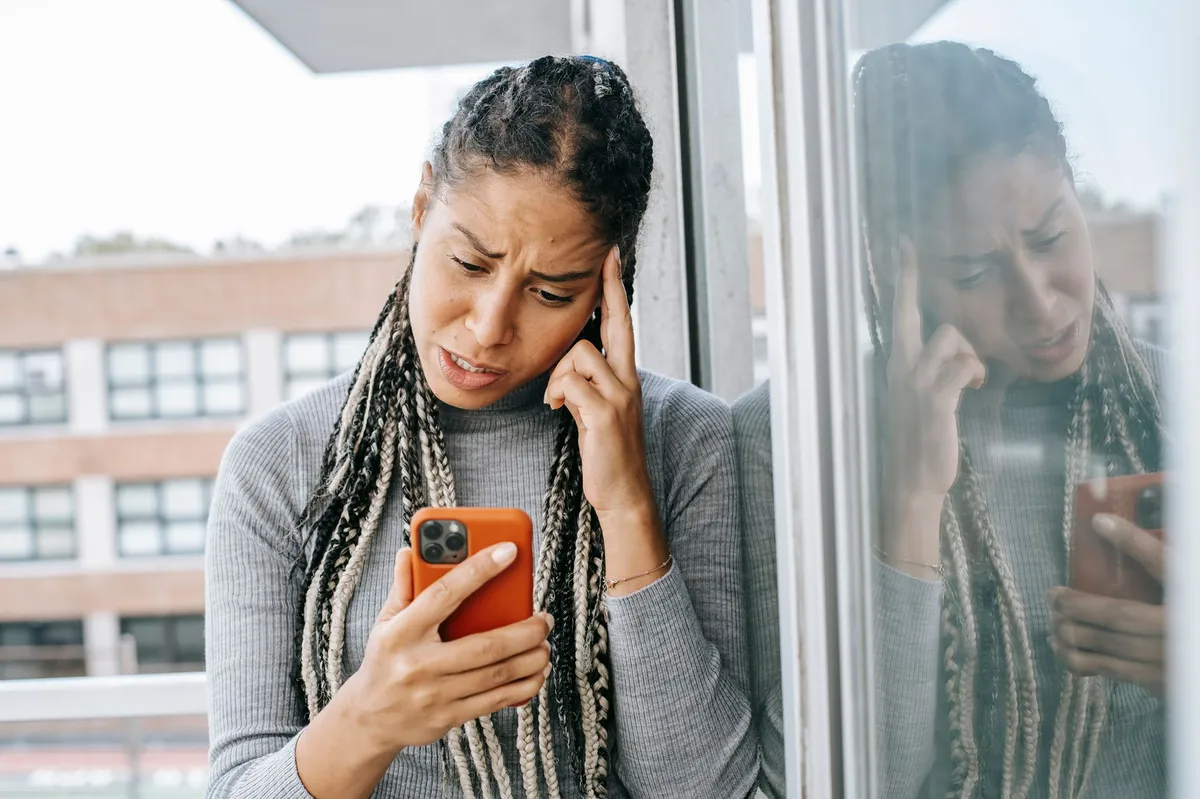
The phenomenon of false positives—instances where benign content is mistakenly flagged as harmful—has become a significant challenge for social media platforms. As AI systems evolve, they are increasingly deployed to identify and eliminate spam and harmful content. However, the sophistication of large language models (LLMs) has inadvertently made it more difficult to distinguish genuine user engagement from spam.
Dr. Gilbert noted a surge of spam generated by marketing agencies leveraging AI to create content that mimics human posts. This has left moderators overwhelmed, with many platforms reporting an uptick in false bans and account suspensions. For instance, Discord faced backlash after its AI incorrectly banned around 8,400 accounts due to misclassification of harmless images as explicit content.
Consequences of Automation
These errors have real-world implications. Social media users often find themselves locked out of their accounts without clear explanations or avenues for appeal, leading to frustration and alienation. This lack of transparency undermines the user experience and can drive away community engagement.
- **False Positives:** AI misidentifications can silence marginalized voices and disrupt community discussions.
- **Human Trust:** Users increasingly distrust platforms that rely heavily on AI for moderation.
- **Community Integrity:** Automated systems may strip communities of their unique voices and cultural nuance.

Bias in AI Moderation
One of the most pressing issues with AI-driven moderation is bias. Studies have shown that marginalized groups often face disproportionate scrutiny from automated systems. These algorithms can misinterpret cultural expressions, leading to unjust penalties for users engaged in legitimate discourse. In many cases, counter-speech or language reclamation—actions designed to combat hate speech—are mistakenly flagged as violations.
Dr. Gilbert emphasizes that these errors disproportionately silence vulnerable communities, further entrenching societal inequities. When AI moderation lacks human oversight, the consequences can be profound, preventing meaningful conversations from occurring and stifling diverse perspectives.
The Human Element in Moderation
While AI can assist in identifying harmful trends and flagging content, it cannot replace the nuanced understanding that human moderators possess. A balanced approach is essential for effective moderation. Recent initiatives—from Reddit's Rules Hub to Discord's commitment to human review—indicate a recognition of this need. By empowering human moderators to assess flagged content, platforms can maintain a more equitable and just environment.
Reddit's forthcoming Rules Hub aims to provide moderators with tools to control which rules are automatically enforced, allowing for more customized oversight. This shift acknowledges that human judgment is irreplaceable in distinguishing between harmful content and legitimate discourse.

Looking Forward: Best Practices for Social Media Moderation
As social media companies grapple with the challenges posed by AI, it is vital to adopt best practices that prioritize human moderation. Here are several strategies for improving content moderation:
- Implement Hybrid Systems: Combine AI efficiency with human oversight to ensure nuanced understanding and contextual analysis.
- Enhance Transparency: Provide users with clear communication regarding moderation decisions and avenues for appeal.
- Foster Community Engagement: Encourage community members to partake in moderation discussions and decision-making processes.
- Invest in Training: Equip human moderators with the tools and training necessary to navigate complex cultural and social issues.
Key Takeaways
- AI moderation is prone to errors, with significant implications for user trust.
- False positives can disproportionately affect marginalized communities, exacerbating social inequities.
- A balanced approach that combines human judgment with AI efficiency is essential for effective content moderation.
Frequently Asked Questions
Why is human moderation necessary in social media?
Human moderation is crucial because AI lacks the ability to understand context, nuance, and cultural differences. As seen with recent errors in AI moderation, machines can make mistakes that lead to the wrongful penalization of users. Only human moderators can navigate the complexities of social interaction and ensure fair treatment across diverse communities.
What are the risks of relying solely on AI for content moderation?
Relying solely on AI can lead to significant issues such as false positives, disproportionate impacts on marginalized groups, and a lack of user trust. Automated systems often cannot differentiate between harmful content and legitimate discourse, which can result in valuable community contributions being unjustly removed. This ultimately diminishes the quality and integrity of the online environment.
How can social media platforms improve their moderation systems?
Social media platforms can enhance their moderation systems by adopting hybrid approaches that integrate AI with human oversight. This includes providing moderators with better tools and training, fostering community engagement in moderation decisions, and ensuring transparency in moderation practices. By implementing these changes, platforms can create a more equitable and trustworthy environment for users.
What role do users play in social media moderation?
Users are vital to social media moderation as they contribute to community standards and norms. Engaging users in the moderation process can help platforms better understand community dynamics and foster a sense of ownership and responsibility among members. This collaborative approach can lead to more effective management of content and a healthier online environment.
Comments
CISA Warns of Active Exploitation of TeamCity RCE Vulnerability
The Cybersecurity and Infrastructure Security Agency (CISA) has issued a warning regarding a critical remote code execution vulnerability in TeamCity. This article explores the implications of CVE-2026-63077 for businesses and the cybersecurity landscape.
Related articles





Popular in Cybersecurity
- Federal Mandate for Autonomous Vehicles: A Call for Safety Compliance
- EU Mandates Google to Share Data and Open AI on Android: What It Means
- GitHub Revamps Bug Bounty Program: Implications for Developers and Security
- Australian Government Disables Thousands of Functional Broadband Routers: A Wasteful Decision
- Exploiting Redis: Understanding Zero-Day Vulnerabilities and Their Mitigation