Trojanized npm Packages Unleash NullReceiver Tactics: A New Wave of Cyber Threats
Recent security incidents highlight the dangers of Trojanized npm packages leveraging innovative tactics like NullReceiver to decode command-and-control (C2) IPs from blockchain networks. This evolving threat landscape demands heightened vigilance from developers and organizations alike.
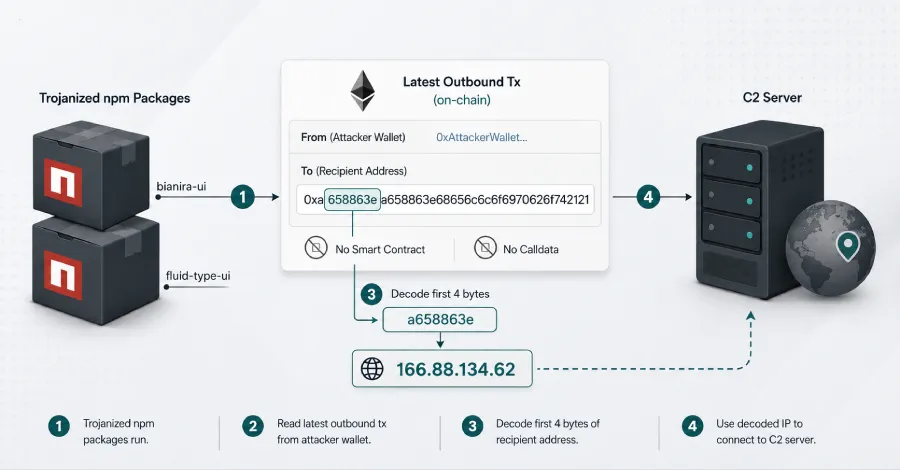
In a striking development within the cybersecurity landscape, recent incidents involving Trojanized npm (Node Package Manager) packages have revealed alarming tactics that underscore the sophistication of modern cyber threats. By employing the NullReceiver technique, these malicious packages are able to decode command-and-control (C2) IP addresses directly from blockchain networks, representing a significant evolution in how cybercriminals orchestrate attacks. This article delves into what this means for developers, organizations, and the broader cybersecurity ecosystem.
Understanding the Threat: Trojanized npm Packages
npm is a critical component of the JavaScript ecosystem, serving as the primary package manager for Node.js. With millions of packages available, it has become a go-to resource for developers looking to streamline their projects. However, this popularity also makes it a prime target for cybercriminals eager to exploit its wide user base.
Trojanized npm packages are essentially legitimate packages that have been altered to include malicious code. This code can perform a variety of nefarious functions, from stealing sensitive information to creating backdoors for future attacks. The recent discovery of the NullReceiver tactic highlights how these packages not only compromise security but also leverage advanced techniques to communicate with their creators.
What is the NullReceiver Technique?
The NullReceiver technique is a novel approach that involves decoding C2 IP addresses embedded in blockchain transactions. By utilizing blockchain's inherent transparency, attackers can hide their C2 infrastructure within legitimate transactions, making it challenging for security tools and practitioners to detect malicious activities.
This tactic enables attackers to bypass traditional detection methods, as the communication appears to be part of legitimate blockchain operations. As such, the threat posed by Trojanized npm packages using NullReceiver is not merely an occurrence of malicious code but a sophisticated strategy that combines several elements of modern technology.

The Implications for Developers and Organizations
The implications of these Trojanized packages are far-reaching. For developers, the risk of incorporating compromised packages into their applications is severe. A single vulnerability can lead to widespread data breaches, loss of customer trust, and financial repercussions. For organizations, the stakes are equally high, as successful attacks can result in significant downtime and damage to reputation.
In this landscape, it is crucial for developers and organizations to implement robust security practices. Here are several essential steps to mitigate risks:
- Conduct Regular Audits: Routine checks of npm packages in use can help identify and remove compromised versions.
- Use Automated Security Tools: Leverage tools that can scan for vulnerabilities in dependencies, providing real-time alerts for potential threats.
- Employ Dependency Management Best Practices: Consider using tools like npm audit or Snyk to keep track of known vulnerabilities in your package dependencies.
- Stay Informed: Regularly update yourself on the latest security advisories related to npm packages and the wider JavaScript ecosystem.

Mapping Attack Paths and Mitigating Risks
Understanding how attackers exploit vulnerabilities is crucial for developing effective defense strategies. One of the most effective methods for combating these threats is by mapping out potential attack paths that malicious actors might take.
This involves identifying key choke points within an organization’s infrastructure where cross-domain privilege escalation could occur. By mapping these paths, organizations can strategically sever breach routes, making it more difficult for attackers to gain a foothold. Key strategies for mapping attack paths include:
1. Identifying Critical Assets
Organizations should start by identifying critical assets that, if compromised, would result in significant harm. This includes databases containing sensitive information, servers hosting essential applications, and privileged accounts.
2. Analyzing Access ControlsExamining access control policies can reveal potential weaknesses that attackers could exploit. Ensure that users have the minimum necessary access to perform their jobs.
3. Implementing Threat Detection SolutionsInvesting in advanced threat detection solutions can help identify suspicious activities early, allowing organizations to respond proactively.

Key Takeaways
- Trojanized npm packages pose significant security risks by embedding malicious code.
- The NullReceiver technique allows attackers to decode C2 IPs using blockchain, complicating detection efforts.
- Robust security practices are essential for developers and organizations to mitigate risks.
- Mapping attack paths helps identify vulnerabilities and strengthen defenses.
Frequently Asked Questions
What is an npm package?
npm packages are collections of reusable code that developers can use to streamline their software development processes. These packages can be easily installed and managed through npm, making it a popular tool for JavaScript and Node.js developers. However, due to their widespread use, they are often targeted by cybercriminals looking to exploit vulnerabilities.
How can organizations protect themselves from Trojanized packages?
Organizations can protect themselves by implementing regular audits of their npm packages, using automated security tools to scan for vulnerabilities, and fostering a culture of security awareness among developers. Additionally, organizations should conduct training sessions on secure coding practices and the importance of vetting third-party packages before use.
What is a command-and-control (C2) server?
A command-and-control (C2) server is a central hub used by cybercriminals to communicate with compromised systems, giving them the ability to control infected devices remotely. These servers are often hidden behind layers of obfuscation, making them difficult to detect. The recent use of blockchain to mask C2 IPs highlights the evolving strategies employed by attackers to avoid detection.
Comments
CISA Warns of Active Exploitation of TeamCity RCE Vulnerability
The Cybersecurity and Infrastructure Security Agency (CISA) has issued a warning regarding a critical remote code execution vulnerability in TeamCity. This article explores the implications of CVE-2026-63077 for businesses and the cybersecurity landscape.
Related articles




Popular in Cybersecurity
- Federal Mandate for Autonomous Vehicles: A Call for Safety Compliance
- EU Mandates Google to Share Data and Open AI on Android: What It Means
- GitHub Revamps Bug Bounty Program: Implications for Developers and Security
- Australian Government Disables Thousands of Functional Broadband Routers: A Wasteful Decision
- Exploiting Redis: Understanding Zero-Day Vulnerabilities and Their Mitigation