Understanding the Recent Security Flaws: Veeam, Terraform MCP, and Django
Critical vulnerabilities have been identified in Veeam, Terraform MCP, and Django. This article explores the implications of these flaws and how organizations can defend against them.
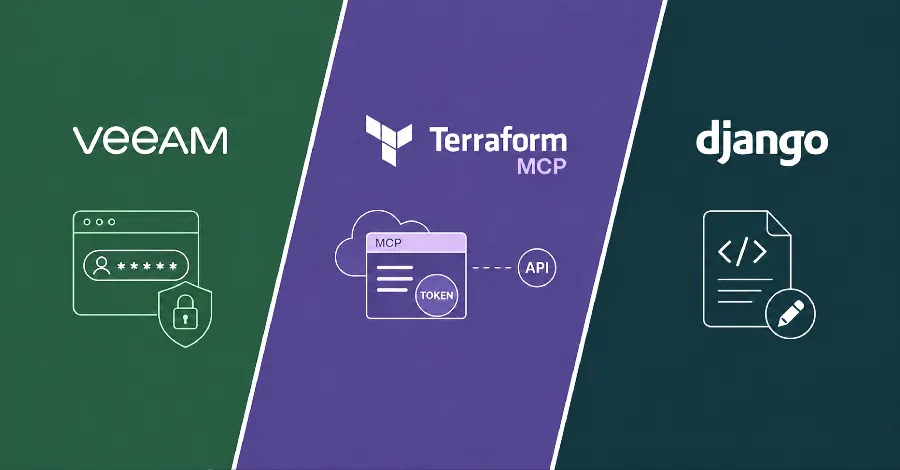
In today’s interconnected digital landscape, the security of software solutions is paramount. Recently, significant vulnerabilities have emerged within key technologies like Veeam, Terraform's Managed Cloud Platform (MCP), and the Django web framework. These flaws, particularly highlighted by a CVSS score of 10.0 (the highest possible), underline the urgent need for businesses to reassess their security postures. Understanding these vulnerabilities is crucial for IT professionals, cybersecurity teams, and business leaders alike.
The implications of these security flaws extend beyond mere technicalities—they can unlock pathways for malicious actors to exploit systems, leading to potential breaches and data loss. As organizations increasingly rely on cloud infrastructure and agile development strategies, addressing these vulnerabilities should be a top priority for all stakeholders.

Overview of Recent Vulnerabilities
Three vulnerabilities have recently come to light that are particularly concerning: a critical flaw in Veeam, a significant issue in Terraform MCP, and a serious vulnerability in Django. Each of these flaws poses unique risks, and understanding their nature is essential for organizations using these technologies.
Veeam's Critical Vulnerability
Veeam is renowned for its backup and recovery solutions, widely utilized by enterprises for data protection. However, a critical vulnerability has been identified that could allow unauthorized access to sensitive data. The implications of this flaw are grave, as it could enable attackers to gain control over backup environments, potentially leading to catastrophic data breaches.
Terraform MCP's Cross-Tenant Bug
Terraform MCP's recent vulnerability is marked by a CVSS score of 10.0, indicating a high severity level. This cross-tenant bug allows attackers to perform privilege escalation between different tenants, meaning that a compromised account could be used to access resources belonging to other tenants. Such a flaw can severely compromise the integrity of cloud-based environments, allowing attackers to exploit weaknesses and move laterally within a network.
Django's Security Flaw
Django, a popular web framework for building web applications, has also encountered a critical vulnerability. This flaw has the potential to expose sensitive user information, making it easier for attackers to execute attacks such as phishing, identity theft, or even account takeovers. The widespread use of Django in various applications amplifies the risk associated with this vulnerability.

Understanding the Impact of Identity Exposure
Identity exposure is a recurring theme across these vulnerabilities, serving as a gateway for attackers to exploit systems. When sensitive identities are exposed, it can lead to a myriad of security issues, including cross-domain privilege escalation. This can enable attackers to sever key breach routes at critical choke points.
Organizations must prioritize the mapping of potential attack paths that could result from identity exposure. Here are some critical considerations:
- Privilege Escalation: Attackers can gain elevated access to systems by exploiting identity vulnerabilities, allowing them to execute unauthorized actions.
- Data Breaches: With access to sensitive identities, attackers can steal confidential information, leading to significant financial and reputational damage.
- Lateral Movement: Once inside a network, attackers can move laterally to access other systems, further compromising the organization’s security posture.

Mitigation Strategies for Organizations
Given the critical nature of these vulnerabilities, organizations must take decisive actions to mitigate risks. Here are some recommended strategies:
1. Regular Security Audits
Conducting regular security audits can help identify vulnerabilities in systems and applications. This includes reviewing existing security configurations, patch management processes, and user access controls.
2. Implementing Zero Trust Principles
Adopting a Zero Trust security model can significantly reduce the risk of identity exposure. This involves verifying every user and device attempting to access resources, regardless of whether they are inside or outside the network perimeter.
3. Continuous Monitoring and Incident Response
Establishing continuous monitoring practices can help organizations detect unusual activities that may indicate a breach. Coupled with a robust incident response strategy, organizations can respond swiftly to potential threats.4. Keeping Software Updated
Regularly updating software and systems is vital in addressing known vulnerabilities. Organizations should stay informed about security patches and updates released by vendors.

Key Takeaways
- Veeam, Terraform MCP, and Django have critical vulnerabilities that pose significant risks to organizations.
- Identity exposure is a common theme that can lead to severe security breaches.
- Implementing proactive security measures is essential for mitigating risks associated with vulnerabilities.
- Regularly updating software and conducting security audits can enhance overall security posture.
- Adopting a Zero Trust model can help organizations defend against potential identity-related attacks.
What should organizations do in response to these vulnerabilities?
Organizations should immediately assess their current deployments of Veeam, Terraform MCP, and Django to identify if they are affected by the vulnerabilities. If they are, applying security patches, updating configurations, and reviewing access controls should be prioritized. Additionally, implementing a comprehensive security strategy that includes regular audits and continuous monitoring can help mitigate future risks.
How can identity exposure be prevented in the future?
Preventing identity exposure requires a multifaceted approach. Organizations can implement strict access control policies, utilize multi-factor authentication (MFA), and regularly train employees on security best practices. By fostering a culture of security awareness, organizations can better protect sensitive identities and reduce the risk of breaches.
What is the Zero Trust model, and why is it important?
The Zero Trust model operates on the principle of “never trust, always verify.” This means that no user or device is trusted by default, regardless of whether they are inside or outside the organization’s network. Implementing Zero Trust is crucial in today’s threat landscape as it greatly reduces the risk of unauthorized access, particularly in environments where identity exposure is a concern.
How often should organizations conduct security audits?
Organizations should conduct security audits at least annually, but more frequent audits are recommended for those handling sensitive information or operating in high-risk industries. Regular audits help ensure that security measures are effective and that vulnerabilities are addressed promptly.
Comments
CISA Warns of Active Exploitation of TeamCity RCE Vulnerability
The Cybersecurity and Infrastructure Security Agency (CISA) has issued a warning regarding a critical remote code execution vulnerability in TeamCity. This article explores the implications of CVE-2026-63077 for businesses and the cybersecurity landscape.
Related articles





Popular in Cybersecurity
- Federal Mandate for Autonomous Vehicles: A Call for Safety Compliance
- EU Mandates Google to Share Data and Open AI on Android: What It Means
- GitHub Revamps Bug Bounty Program: Implications for Developers and Security
- Australian Government Disables Thousands of Functional Broadband Routers: A Wasteful Decision
- Exploiting Redis: Understanding Zero-Day Vulnerabilities and Their Mitigation